
REVIEW · KATUTURA & MONDESA TOWNSHIP WALKS
Windhoek: Katutura Township and City Walking Tour
Windhoek has a way of surprising you fast. In this 3-hour walking tour, I like how it threads together German-era landmarks, Namibia’s tough memory, and real community life in Katutura, not just postcard stops. You’ll get two big wins, Christuskirche and Tintenpalast up close, plus time around the Single Quarter Community Open Market where you can see how people trade and talk day to day. One heads-up: if you go on a Sunday, several indoor sites may be closed, which can shrink what you actually see.
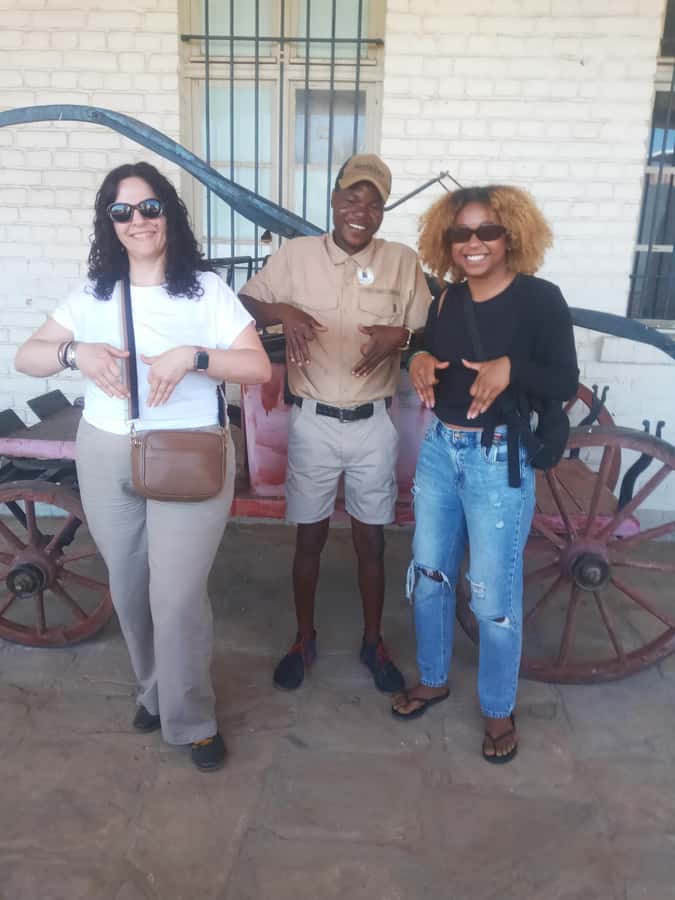
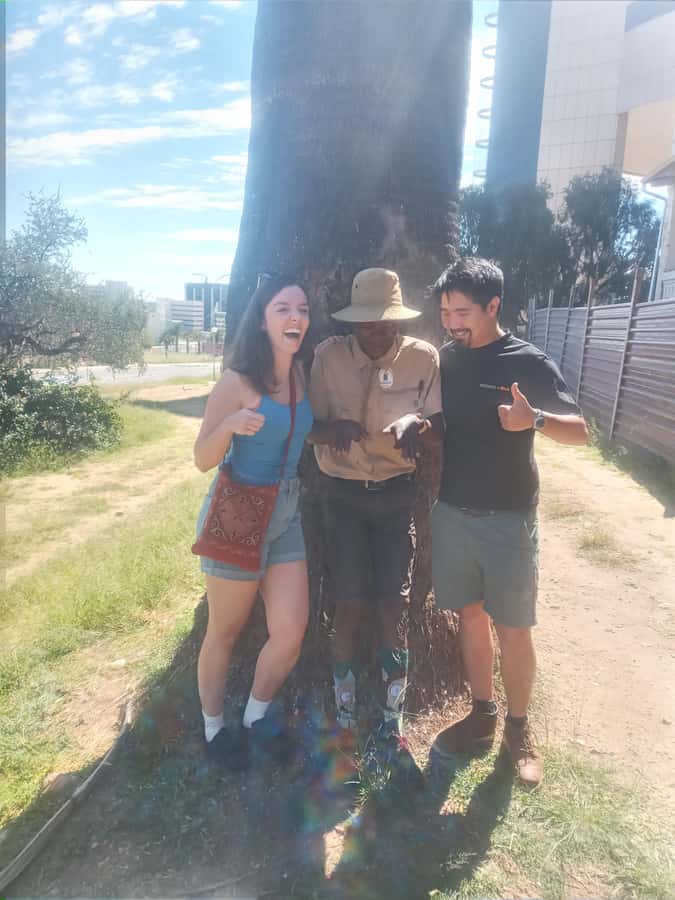
My favorite part is the human pace. The guide, often James, doesn’t just recite dates, he explains what places mean and how daily life works, and some groups even get an invite into a home context, like a visit to Lesta’s home as described by a previous group. Still, this is walking plus neighborhood driving, so comfortable shoes matter, and it’s not a match if you’re dealing with altitude sickness.
In This Review
- Key things that make this tour worth your time
- German architecture in Windhoek: Christuskirche and Tintenpalast up close
- Namibia’s memory stops: Independence Memorial Museum and the Genocide Memorial
- Windhoek Crafts Centre: watching hands at work
- Pepata Traditional Food Restaurant: trying omahangu porridge the local way
- China Town and Okahandja Park: seeing the city’s edges and connections
- The big payoff: Katutura Township and Old Location
- Single Quarter Open Market: shopping as cultural contact
- How long, how much walking, and how the pace works
- Price and value: why $49 can feel fair or not
- Who should book this, and who should skip it
- Should you book Windhoek: Katutura Township and City Walking Tour?
- FAQ
- Where does the tour start?
- How long is the Windhoek Katutura Township and City Walking Tour?
- What language is the live tour guide?
- Is this a private group or shared tour?
- What major landmarks and sites are included?
- Are meals included?
- What should I bring?
- Is the tour suitable for altitude sickness?
- Are there any restrictions during transport?
- What is the cancellation policy?
Key things that make this tour worth your time
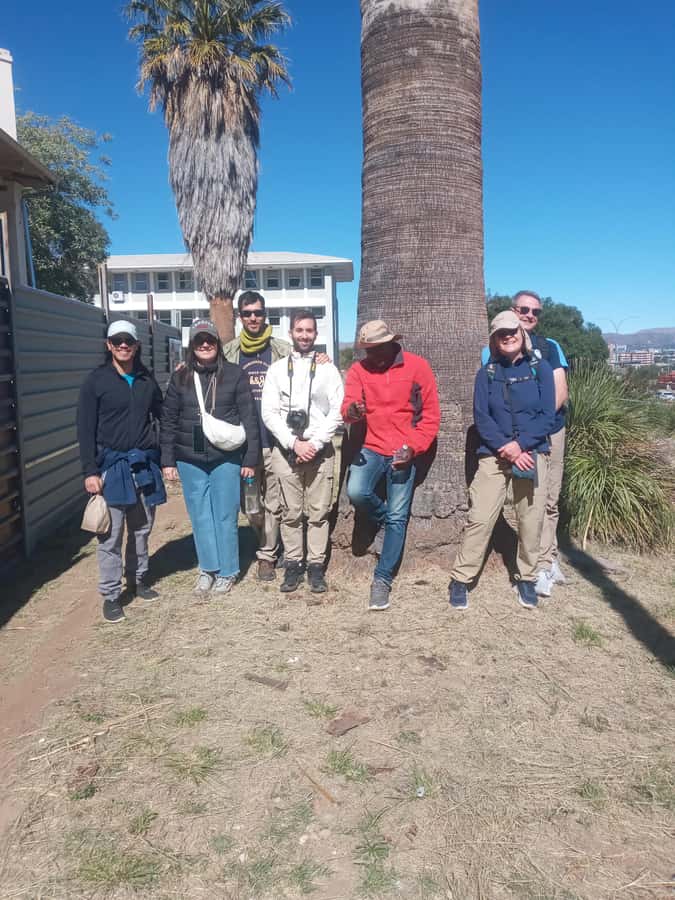
- German landmarks you can actually visit, including Christuskirche and the Tintenpalast (Parliament)
- Powerful memorial stops that explain the Herero and Nama conflict and Germany’s role
- Crafts and food stops where you can watch artisans and try dishes like omahangu porridge
- Markets and old settlements at the Single Quarter Open Market and Old Location
- Katutura Township time with chances for real conversation, sometimes even in home spaces like Lesta’s
More walks through Katutura and Mondesa with local guides
German architecture in Windhoek: Christuskirche and Tintenpalast up close
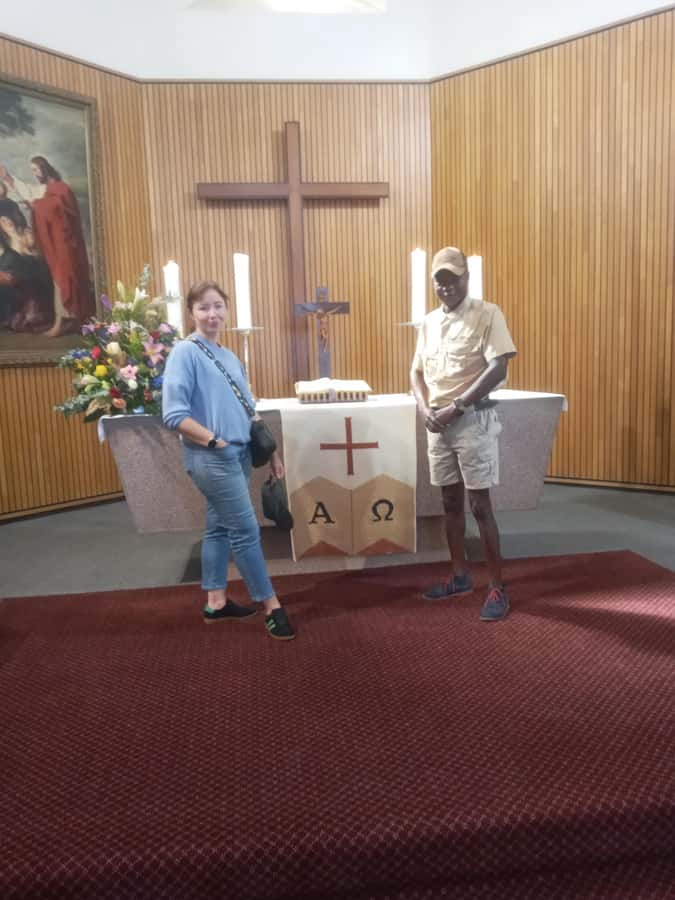
You start with a look at German Lutheran history in Windhoek, at Christuskirche. It was built by German settlers between 1907 and 1910, so when you stand there, you’re seeing the physical footprint of that era, not just reading about it. The guide helps you place it in context so the building feels like part of a larger story, not an isolated photo stop.
Next comes Parliament of the Republic of Namibia, known as the Tintenpalast. Like Christuskirche, it was constructed by the same German settlers, and the architecture gives you an immediate comparison point. I like this pairing because it teaches you how colonial power used religion and government, side by side, and how those structures still shape the city today.
Practical tip: bring a camera, but also slow down and look at details. Even in a short tour, your guide can point out what to notice, like how the buildings sit in the streetscape and why they matter now. This is also where a calm walking pace helps, because you’ll want a minute to absorb what you’re seeing before moving on.
Namibia’s memory stops: Independence Memorial Museum and the Genocide Memorial
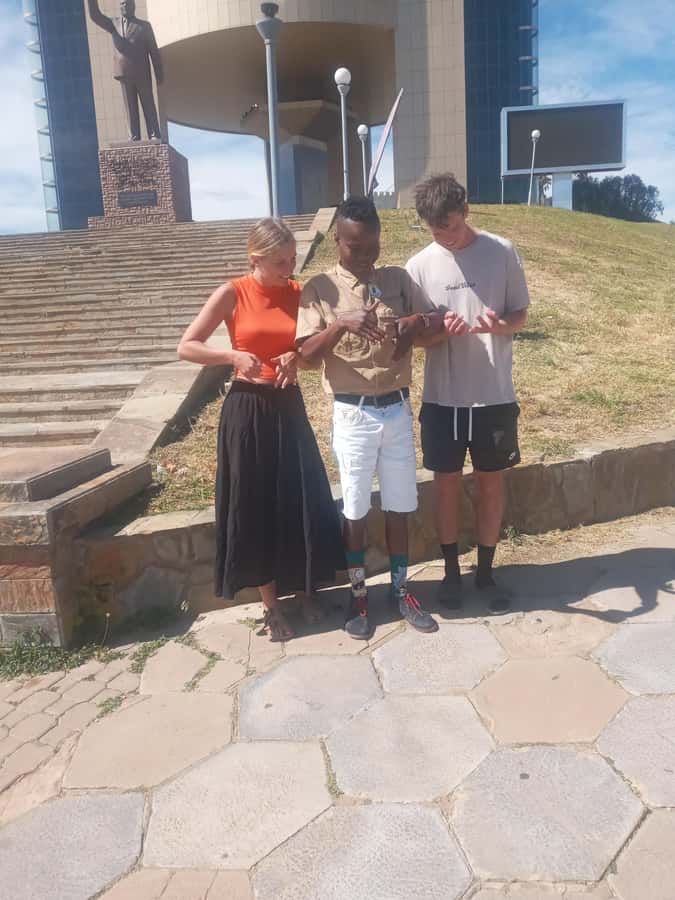
After the German landmarks, you shift to memory and identity. You’ll visit the Independence Memorial Museum, built by North Korea in 2014. That detail matters because it shows how Namibia’s independence era connected to global politics, not just local speeches and ceremonies.
Then comes the Genocide Memorial Monument, which commemorates the war between the Herero and Namas tribes and the involvement of Germany. This stop is a real contrast to the architecture you saw earlier. It reframes the trip from impressive buildings to the cost of colonization and the long consequences that followed.
If you’re the type of traveler who wants facts plus context, this section is the backbone of the tour. You’re not just ticking off monuments, you’re learning why they exist and what they ask you to remember. The tour is short, so the guide’s pacing is key here, and the experience works best when you come with a willingness to sit with heavy themes for a few minutes.
Windhoek Crafts Centre: watching hands at work
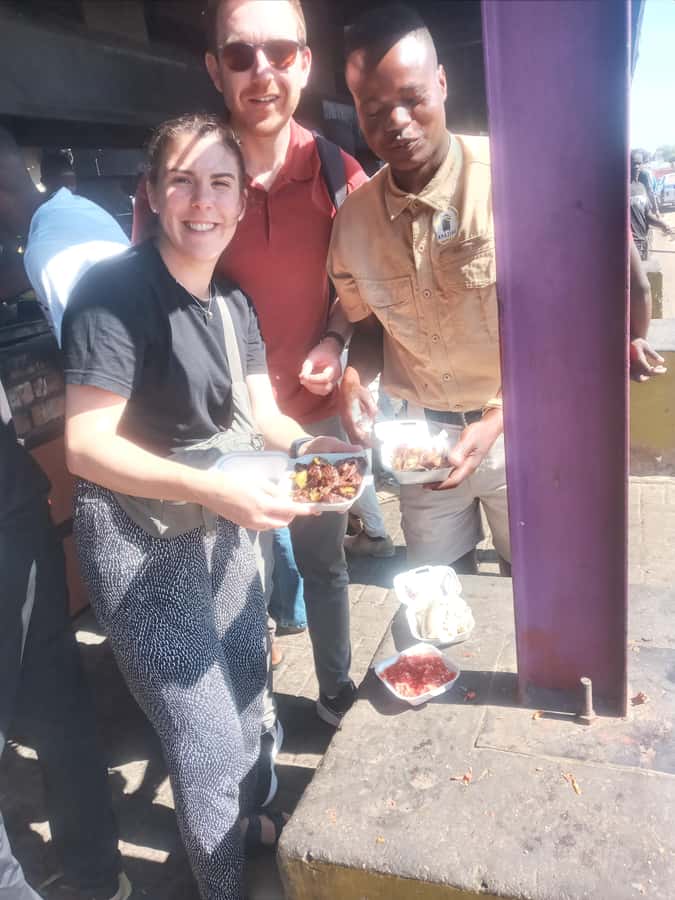
The Windhoek Crafts Centre is one of the more satisfying stops because it feels like it has everyday purpose. Instead of only “looking at souvenirs,” you’re seeing local artisans at work, which gives you a clearer sense of what you’re buying and why it took time to make.
This is a good place to ask questions. If your guide is James, he typically connects craft and culture to the bigger national story, so you’re not stuck with vague answers. You’ll also see the range of styles and materials that represent different communities, which helps explain why Namibia’s culture can feel distinct from place to place.
What I like here is that it’s not rushed like some city tours. With only three hours total, it still gets a real moment. If you’re on a tight schedule in Windhoek, this is the kind of stop that gives you more than a photo, it gives you understanding.
Other Namibian towns done on foot
- Windhoek: Bushman Walk with the San
★ 4.9 · 145 reviews - Private Guided Walking Tour with the San in Windhoek
★ 5.0 · 20 reviews - Windhoek: Katutura Township and City Walking Tour
★ 4.7 · 15 reviews
Pepata Traditional Food Restaurant: trying omahangu porridge the local way
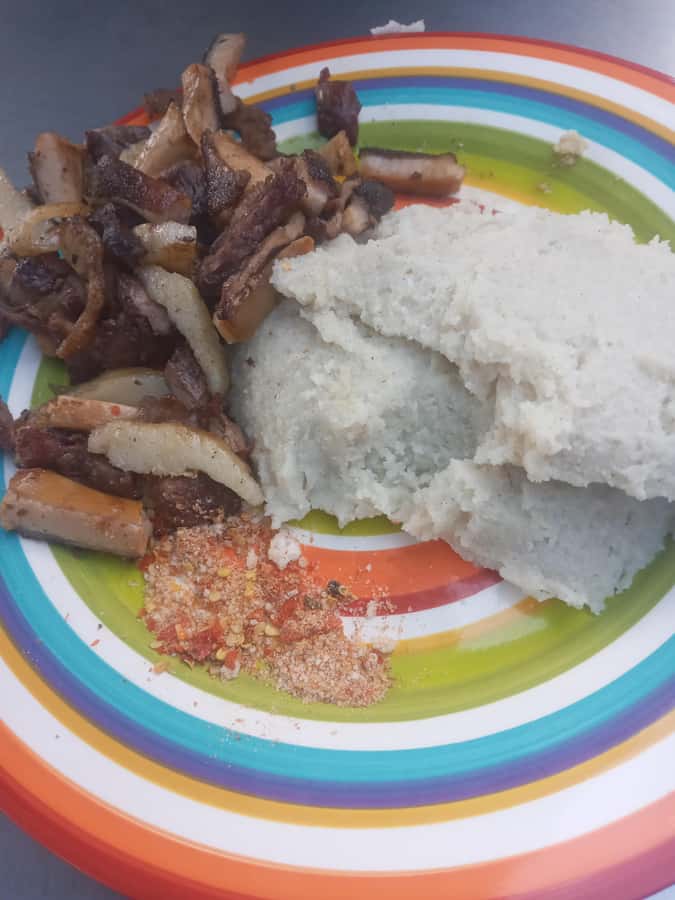
Next, you head to Pepata Traditional Food Restaurant. The tour description points to traditional dishes like omahangu porridge, which is a smart option for first-timers because it’s rooted in local staple foods.
A practical note: the tour does not include meals or drinks. So think of this as “a chance to explore,” not a free feast. If you want to actually taste several items, you’ll likely need to budget a bit beyond the tour price.
Also, come with an open mind. Food is a shortcut to everyday life, and this stop can turn a cultural history tour into something you remember with your taste buds. If you’re picky, that’s fine. Even a small order can still connect you to the wider story of how communities eat and share.
China Town and Okahandja Park: seeing the city’s edges and connections
The tour then moves through China Town, a busy area with a significant Chinese community. I like including this because it reminds you Windhoek is not only shaped by German history and local tribal heritage. Modern cities are mixes, and you’ll feel that mix in the streets, shops, and food culture around the Chinese community area.
After that, you visit Okahandja Park, a more rural settlement. This is where the tone shifts again. Instead of another shopping area or landmark, you’re getting a closer look at how people live outside the city center, and your guide’s explanations help you make sense of what you’re seeing without turning it into a spectacle.
Timing matters here. With a three-hour schedule, you may not get deep time in each place, but you still get enough contrast to understand how Windhoek connects to surrounding communities. If you’ve only got a few hours in town, this section helps you get your bearings fast.
The big payoff: Katutura Township and Old Location
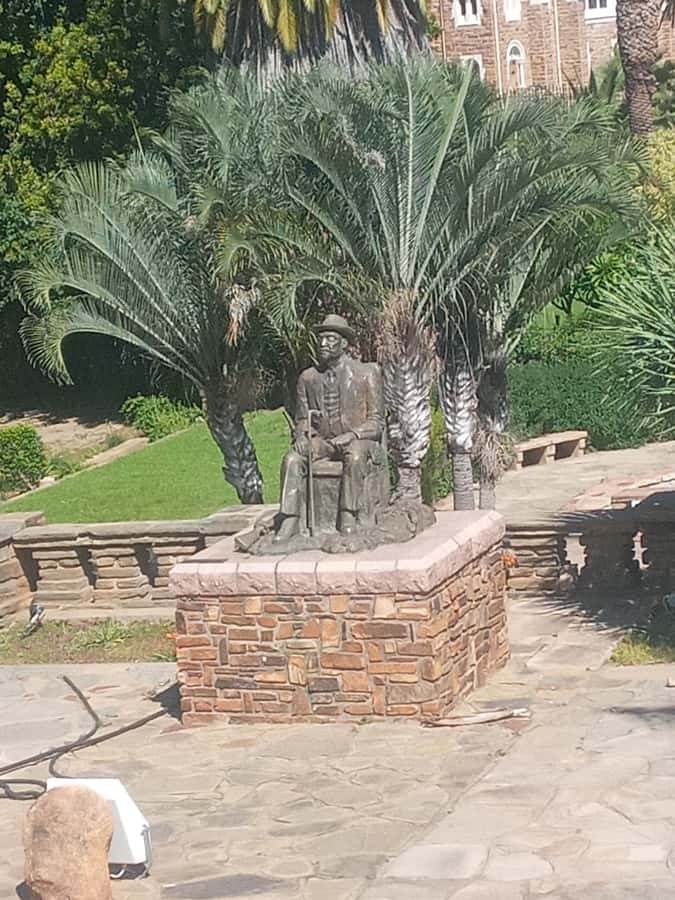
This experience is built around the idea that you can’t understand Windhoek without understanding Katutura Township. The highlight for many people is the human side, the conversations, and the way the neighborhood feels lived-in rather than staged. One previously described standout moment was the chance to see the inside of a home tied to the tour guide’s connections, and visits like a stop at Lesta’s home show the tour can go beyond street viewing when appropriate.
After the township time, you visit Old Location, described as the first settlement in Windhoek. That stop adds a historical spine to what you just experienced in Katutura. You connect place to memory, and memory to the present-day reality you just saw.
Important for your expectations: this is not a museum line with fixed answers. You’ll likely meet people, see daily routines, and watch ordinary life happening. That means it feels personal, sometimes emotional, and it can also mean it’s less predictable than a purely architectural tour.
If you go in with respect and patience, this is where the tour earns its reputation.
Single Quarter Open Market: shopping as cultural contact
The last major stop is the Single Quarter Community Open Market. This is where the tour becomes sensory and social. People from different tribes sell traditional products, and you can feel how bargaining, chatting, and community networks work in real time.
I like markets like this because they teach you how culture moves through daily commerce. You’re not just looking at craft items, you’re watching how relationships shape what gets sold and how it gets presented. Your camera will be busy here, but keep your attention on what your guide is saying too, so you understand what you’re seeing.
This is also a good place to buy something small if you want a meaningful souvenir. Watch how items are displayed, ask about materials when it makes sense, and don’t be surprised if the experience feels more like talking with people than buying from a stall.
If you’re short on time in Windhoek, this market stop is one of the best uses of your limited hours, because it combines culture, community, and the everyday texture of the city.
How long, how much walking, and how the pace works
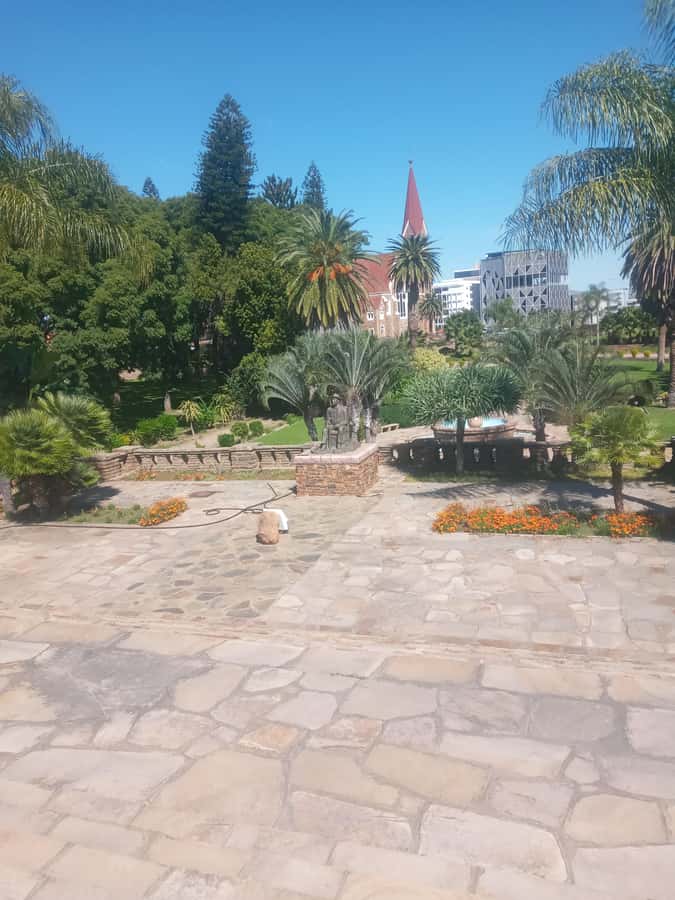
The tour runs 3 hours and includes pickup in Windhoek. It’s a walking tour with neighborhood driving between points, so you’re not walking for the full three hours, but you are on your feet enough that comfortable shoes are a must.
The guide also includes “free time” in the schedule, which helps you catch your breath, take photos, and ask questions without feeling like you’re always hustling. With a private group format, you may also have more flexibility to move at a pace that fits your comfort level.
Live guide is in English, and the tour is operated by Oshixwa Tour and Safaris. If you’re traveling with language needs or you want a clear explanation rather than a vague overview, this matters. You’ll get enough structure to connect the stops, but enough freedom to linger where something grabs your attention.
What to bring: camera, comfortable clothes, binoculars (useful for looking at details while still moving), and anything you need to stay cool and comfortable.
Price and value: why $49 can feel fair or not
At $49 per person, this is priced like a short, guided “see a lot” tour. The value depends on one thing: whether the stops you want are open and accessible during your visit time.
When sites are operating, you’re getting multiple big-name stops: Christuskirche, Parliament at the Tintenpalast, the Independence Memorial Museum, the Genocide Memorial Monument, plus crafts, food, and two community-focused market or settlement experiences. That’s a lot of ground for a three-hour window.
However, you should plan for the possibility of limited access on certain days. If you’re going on a Sunday, several indoor sites can be closed, which can reduce what you actually see and shift more time into driving or outdoor areas. In that case, your experience may lean more on street scenes and community stops rather than museum time.
My advice: if you want the memorial and museum content for sure, pick your day carefully and build in the idea that some stops might not be available. If you’re mainly chasing the Katutura and market interactions, you’ll still get something valuable even when a building is closed.
Who should book this, and who should skip it
This tour is a strong fit if you:
- Want a short Windhoek introduction that connects colonial history, independence, and present-day life
- Enjoy guided context and want your questions answered, not just directions delivered
- Like community-based experiences, including time at markets and in neighborhood settings
- Prefer a private-group vibe with room for conversation
Skip it if:
- You’re dealing with altitude sickness issues, since it is noted as not suitable
- You need a fully museum-focused schedule, because opening hours can affect what you get inside
If you’re the kind of traveler who likes to understand places through people, you’ll likely feel rewarded here.
Should you book Windhoek: Katutura Township and City Walking Tour?
Yes, if you want a meaningful, efficient snapshot of Windhoek in just a few hours. The combination of German-era landmarks, Namibia’s memorial sites, crafts, food, and community stops gives you more than a standard city loop. And when the guide is running well, the experience can feel personal, not just procedural, with real conversation and sometimes even home-invited context like Lesta’s home.
Book it with one caution: choose your day. If you’re traveling on a Sunday, expect some museums and landmark interiors may be closed, and your tour may lean more toward outdoor and street-level experiences. If you’re okay with that tradeoff, this can be a very cost-effective way to understand Windhoek fast.
FAQ
Where does the tour start?
The pickup is in Windhoek. The provider includes pickup and should wait at your pickup area.
How long is the Windhoek Katutura Township and City Walking Tour?
It lasts 3 hours, with a mix of walking, guided stops, and some free time.
What language is the live tour guide?
The tour guide provides commentary in English.
Is this a private group or shared tour?
It is listed as a private group.
What major landmarks and sites are included?
The tour includes Christuskirche, the Parliament of the Republic of Namibia (Tintenpalast), the Independence Memorial Museum, the Genocide Memorial Monument, the Windhoek Crafts Centre, Pepata Traditional Food Restaurant, China Town, Okahandja Park, the Single Quarter Community Open Market, and Old Location.
Are meals included?
Meals and drinks are not included. The tour includes a stop at Pepata Traditional Food Restaurant, where you can discover dishes such as omahangu porridge.
What should I bring?
Bring comfortable shoes for walking, a camera, comfortable clothes, and binoculars if you want to spot details while you move.
Is the tour suitable for altitude sickness?
No, it is noted as not suitable for people with altitude sickness.
Are there any restrictions during transport?
Drinks in the vehicle and alcoholic drinks in the vehicle are not allowed.
What is the cancellation policy?
Free cancellation is offered up to 24 hours in advance for a full refund.
More Trips Across Namibia
- Windhoek: City and Township Tour★ 4.8 · 430 reviews
- Half-Day Windhoek City and Township Cultural Tour★ 4.5 · 187 reviews
- Windhoek City Tour★ 5.0 · 113 reviews
- 10-Day Namibia Highlights Guided Tour from Windhoek★ 5.0 · 78 reviews
- Windhoek: City Tour★ 4.8 · 31 reviews
More Namibia Reviews
- Windhoek: City and Township Tour★ 4.8 · 430 reviews
- Half-Day Windhoek City and Township Cultural Tour★ 4.5 · 187 reviews
- Windhoek: Bushman Walk with the San★ 4.9 · 145 reviews
- 6-Day Dunes and Wildlife Accommodated Safari from Windhoek★ 5.0 · 123 reviews
- Windhoek City Tour★ 5.0 · 113 reviews
Katutura and Mondesa, Other Guides
- Windhoek: City and Township Tour★ 4.8 · 430 reviews
- Half-Day Windhoek City and Township Cultural Tour★ 4.5 · 187 reviews
- Katutura – Classic Township Experience★ 5.0 · 22 reviews
- Katutura Tour – Experience Genuine Namibian Life★ 5.0 · 11 reviews
- Katutura:tours and transport around the townships★ 3.4 · 6 reviews
Other Namibia trips from our own write-ups


Katutura & Mondesa Township Walks, all of them.
 ★ 4.8City and Township TourFrom $40430 reviews
 ★ 4.5Half-Day Windhoek City and Township Cultural TourFrom $37187 reviews
 ★ 3.8Mondesa Township Day Tour ExperienceFrom $6525 reviews
 ★ 5.0Katutura – Classic Township ExperienceFrom $4022 reviews
 ★ 3.7Mondesa Township TourFrom $16013 reviews
 ★ 5.0Katutura Tour – Experience Genuine Namibian LifeFrom $4011 reviews
 ★ 5.0Swakopmund Best Cultural Historical Township Tours NamibiaFrom $408 reviews
 ★ 3.5Local Guided Walvisbay & Swakopmund Township Experience Day TourFrom $828 reviews
This tour also turns up in