
REVIEW · WINDHOEK WILDLIFE SANCTUARIES
Predator Encounter: Half-Day Carnivore Feeding Windhoek
Cheetahs close enough to feel the power. This half-day carnivore feeding near Windhoek at Naankuse Wildlife Sanctuary turns conservation into something you can actually watch, while ambassador animals are fed under tight, guided control. You also get a scenic drive afterward, so the morning keeps paying you back with wildlife sightings and solid photo chances.
I especially like the up-close feeding moments and the chance to see big cats and other predators in a setting designed for learning. I also like that the group is small, max 10 people, so questions land and you are not stuck just staring in silence.
One thing to think about first: this is not a classic open, wild-safari scenario. You are watching sanctuary animals that cannot be released back into the wild, and some online marketing has been criticized for setting expectations that may not match what you end up seeing.
In This Review
- Key highlights from this Windhoek carnivore feeding experience
- What Predator Feeding at Naankuse Really Means
- Getting There: Zoo Park start, pickup, and a smooth half-day rhythm
- The Feeding Session: the animals you can realistically expect
- Conservation lessons: how predator protection connects to your day
- The scenic reserve drive after feeding
- Price and value: is $170.92 worth it?
- Who this tour suits best (and who should think twice)
- Practical tips for a calm, comfortable experience
- A balanced read on expectations: why some people feel mismatch
- Should you book Predator Encounter: Half-Day Carnivore Feeding Windhoek?
- FAQ
- Where is the tour meeting point in Windhoek?
- What time does the half-day tour start?
- How long is the experience?
- What animals can I expect to see during the feeding?
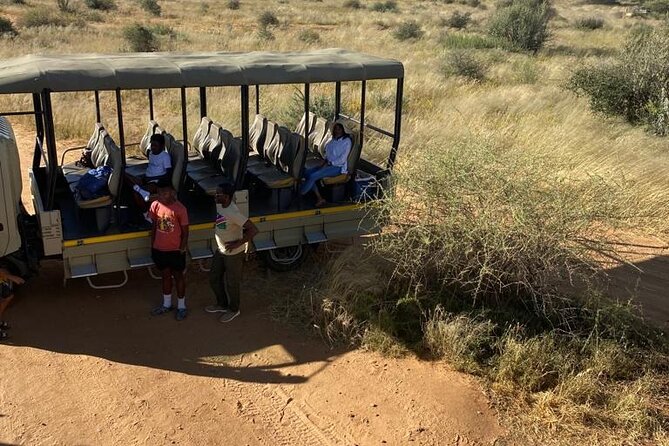
- Is pickup offered, and what kind of transport is included?
- What is included in the price, and what is not included?
- What are the weather and cancellation rules?
Key highlights from this Windhoek carnivore feeding experience
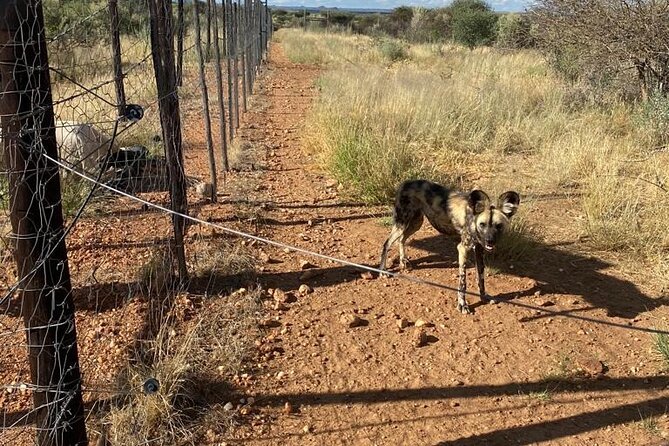
- Ambassador animals: animals kept for education, not release back into the wild
- Big-cat feeding up close: cheetahs, lions, leopards, and more in a guided, controlled setting
- Small group size: up to 10 people for a more personal experience
- Photo-forward format: clear opportunities during feeding plus a post-feed drive
- Conservation education: talks about predator protection and human-wildlife conflict
- Pickup plus air-conditioned comfort: easier logistics than renting a car
Other sanctuary visits on the farms outside Windhoek
What Predator Feeding at Naankuse Really Means
Before you go, I think it helps to understand the type of place you are entering. Naankuse is a wildlife sanctuary setup where many of the animals are considered ambassador animals. That means they are there to educate people, and for various reasons they cannot be released back into the wild.
That framing changes the tone of the experience in a good way. Instead of thinking, I might see something rare and then leave, you get to observe behavior with an explanation attached. You also get to watch how people manage feeding safely and responsibly.
You should also set your expectations on what “feeding” means here. This is guided and controlled. You are not wandering around with a vague chance of spotting a predator. You are showing up to a planned feeding session, with experienced staff guiding what happens and how close visitors should stay.
Getting There: Zoo Park start, pickup, and a smooth half-day rhythm
The tour begins at 8:00 am and finishes back at the same meeting point: Zoo Park, Park Street (C3MP+432), Windhoek. If you are staying in town, pickup is offered, which I love because it removes one of the biggest headaches in early-morning tours.
The total duration is listed at about 5 hours. That is the sweet spot for people who do not want to give up a whole day, but still want a meaningful wildlife experience. You will be in a fully air-conditioned vehicle, which matters in Namibia when the morning can shift quickly from cool to warm.
Group size is capped at a maximum of 10 people. That is a practical detail, because it usually means you spend less time waiting around and more time paying attention. When you can hear the guide and you have a moment to ask a question without shouting, you get more out of the conservation talk too.
The Feeding Session: the animals you can realistically expect
The main event happens at Naankuse Lodge. This is where you watch trained guides feed the animals in a controlled environment. The tour info says this stop runs about 2 hours, and the admission ticket is included for that portion.
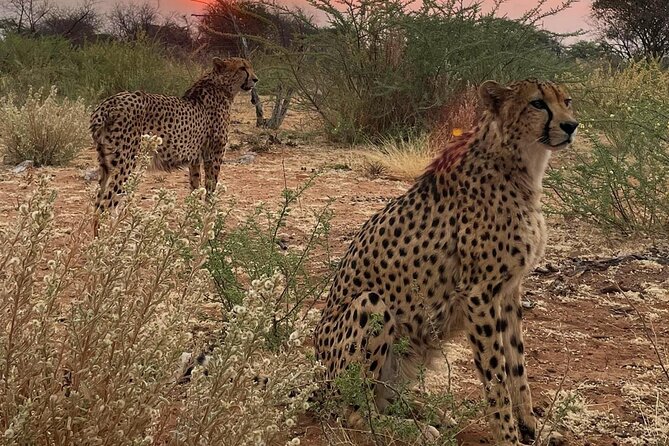
Here are the animals you should plan around seeing: baboons, caracals, lions, cheetahs, wild dogs, and leopards. That is a strong mix. You get both classic big cats and predators that many people do not usually see on the same day.
I like how the experience is designed to be more than just spectacle. The guides encourage visitors to observe natural behaviors you would normally only catch on a long game drive. You are looking for the telltale signs of strength, agility, and hunting instinct, but with the added safety and structure that a sanctuary setting provides.
Photo notes from the reality of this kind of session:
- Expect more consistent photo opportunities during the feeding window than during passive searching.
- Bring a camera grip that works fast, because when the animals move, it happens on their schedule.
- If you care about photos, arrive ready for short bursts of action. The best shots are usually the ones you capture when you are already steady and waiting.
Other half days that fit around a flight
- Half-Day Windhoek City and Township Cultural Tour
★ 4.5 · 187 reviews
Conservation lessons: how predator protection connects to your day
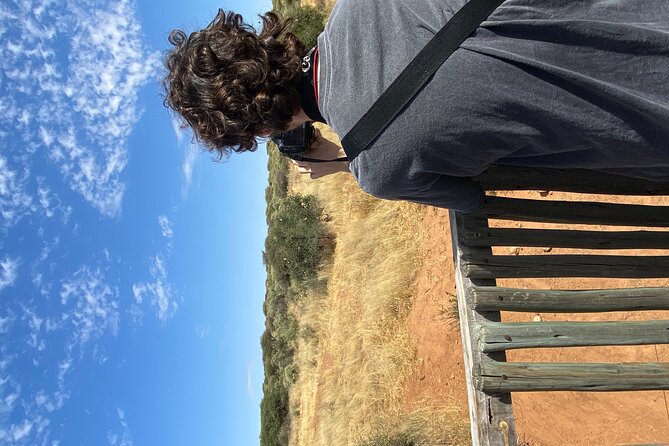
This tour is built around education, not just animal viewing. The conservation portion focuses on why Namibia works to protect predators and how people reduce human-wildlife conflict.
You will hear about the role these carnivores play in ecological balance. That part matters, because it turns predators from scary headlines into actual pieces of a living system. When you understand that, the feeding session makes more sense, even when you are simply watching and taking photos.
The format is also described as interactive sessions led by wildlife experts. In plain terms, I like when you are not stuck with a lecture that has nothing to do with what you are seeing. Here, the talk is tied to the species you are watching, so the information stays practical.
One small caution that comes from balancing expectations: because the animals are ambassador animals and not going back into the wild, conservation is presented through protection and education. So if you are hoping for the feeling of a true wild encounter, you may need to adjust your mindset before you arrive.
The scenic reserve drive after feeding
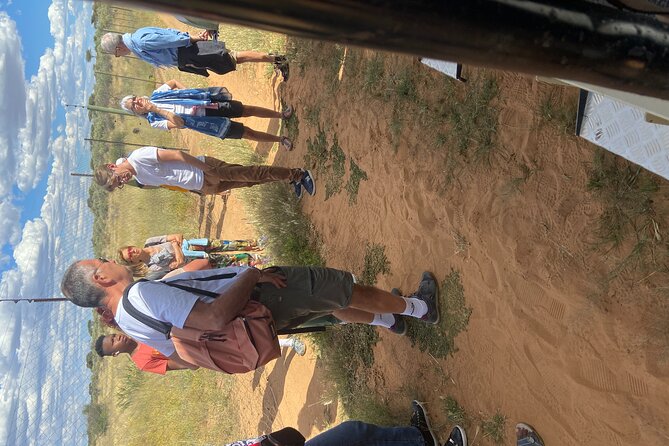
After the feeding session, you get a scenic drive on the reserve. The info frames it as a good chance of spotting other wildlife beyond the ambassador animals you saw at the lodge.
This is a smart addition for two reasons. First, it gives you a little breathing room after the intensity of close viewing. Second, it helps you broaden your morning picture of the area rather than leaving with just the feeding moment.
What can you expect? Not guaranteed specifics, since the drive is described as an opportunity to spot other wildlife. But you should expect chances to photograph, watch, and keep listening to what the guide points out while you move through the reserve.
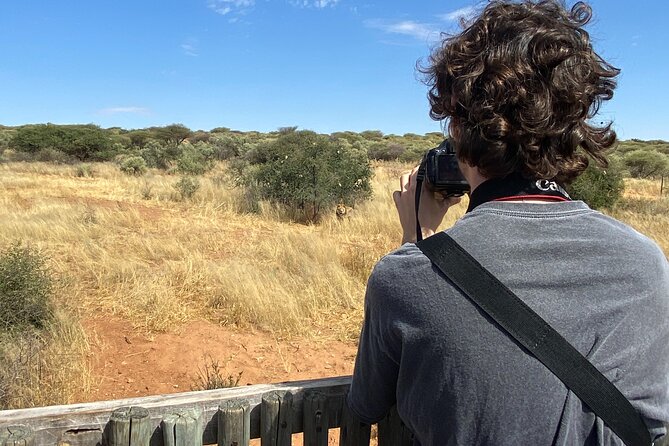
If you like wildlife photography, this drive is usually where you can take calmer shots. Feeding is about quick action and close attention. The drive is about tracking movement, scanning, and getting those moments where the animal is simply part of the scene.
Price and value: is $170.92 worth it?
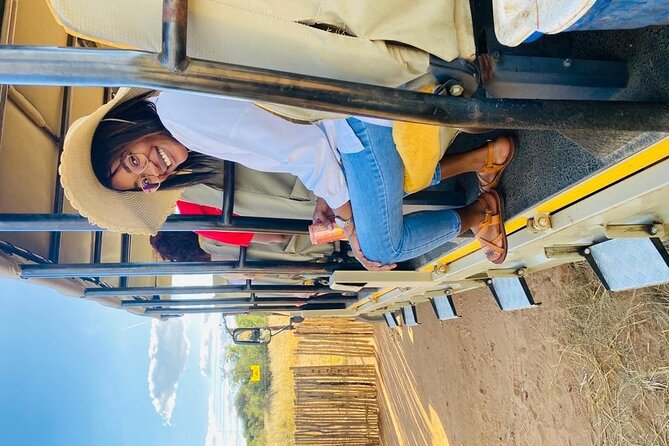
At $170.92 per person, this is not a budget activity. So I always ask, what exactly am I buying?
Here is what is clearly included:
- Air-conditioned vehicle
- Admission ticket for the Naankuse Lodge portion
- Guided feeding experience, plus educational talks
- A scenic drive after the main session
- Pickup is offered (depending on where you are staying)
Also, the group is limited to 10 travelers, so you are not competing with a huge crowd.
So the value mostly comes from concentration. You get a compact, guided wildlife lesson and feeding observation in a set time window. For many people, that is worth the price because Windhoek wildlife time is hard to replicate on your own without careful planning.
But I’ll be honest about the hesitation some people have raised. One concern mentioned was about marketing imagery, including claims of an out-of-cage or inverted-safari type of photo that was later changed. If your dream scenario is based on a very specific “setup,” you should double-check what the experience is now, so you do not end up disappointed by a mismatch.
Who this tour suits best (and who should think twice)
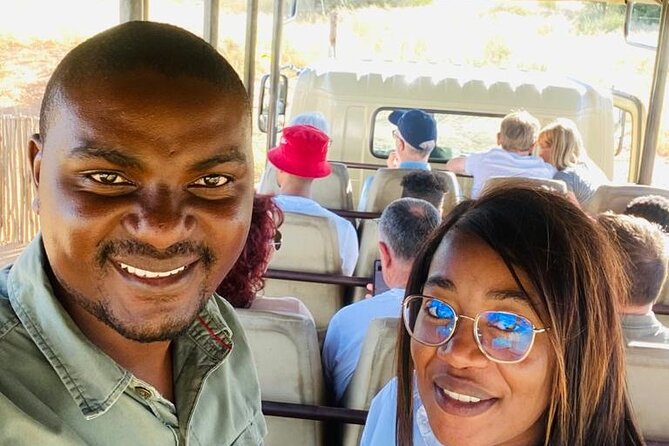
This works best for you if:
- You want a structured wildlife experience that does not depend on luck for long hours.
- You care about conservation and want the story behind predators, not just sightings.
- You like learning from guides while you are watching animals in a safe, controlled environment.
- You prefer a small group morning and are okay with a sanctuary style of encounter.
You might think twice if:
- You are specifically chasing the feel of a wild, roaming safari where animals are fully free.
- You have strong expectations about an out-of-cage style interaction based on older promotional photos.
- You dislike any setup that centers animals who cannot be released back into the wild.
Practical tips for a calm, comfortable experience
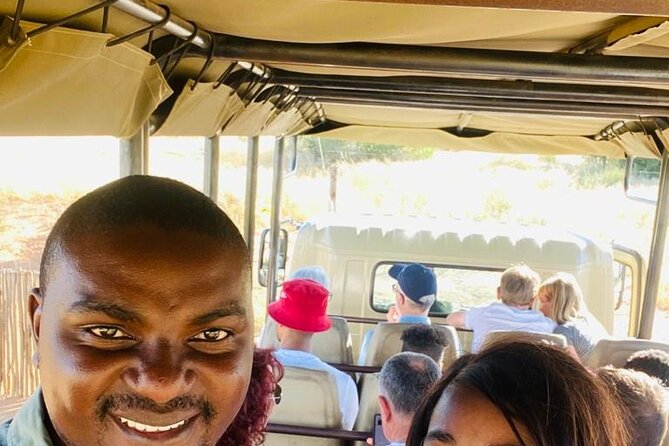
A few practical notes help you enjoy this more.
First, the activity lists moderate physical fitness. That does not automatically mean you will be hiking, but it does suggest you should be comfortable with moving around the lodge/reserve environment and standing for parts of the session.
Second, the tour notes that it requires good weather. Plan to dress for morning conditions and bring your patience if conditions are poor and the tour schedule changes.
Third, this is listed as having a mobile ticket, and you should receive confirmation at the time of booking. That means you want your phone charged and ready.
What I would bring (common-sense stuff that fits almost any wildlife outing):
- A camera with a strap you trust
- Sunglasses and sunscreen for the drive and lodge area
- Closed shoes that work well on uneven ground
- A light layer if mornings feel cool when you start at 8:00 am
And if you are the kind of person who needs to feel fully prepared, I would also take a close look at the most recent promotional images before you book, so your mental picture matches the current setup.
A balanced read on expectations: why some people feel mismatch
The overall score is good, but there is at least one negative review pattern worth respecting. The criticism described a concern that the promotional images suggested a different type of viewing experience, described as an inverted safari out of cage, and that the photos may have been updated since.
That does not automatically mean the experience is bad. It does mean you should not rely solely on a single marketing photo to tell you what the day feels like. If you want to experience the feeding and the conservation story in a sanctuary context, you are likely to enjoy it. If you want a specific action style described in marketing imagery, confirm the setup ahead of time.
This is the kind of tour where your attitude matters. Come for education and guided feeding, not for a surprise stunt.
Should you book Predator Encounter: Half-Day Carnivore Feeding Windhoek?
I’d book this if you want a compact, guided morning with real animal time, a small group, and conservation explanations that connect directly to what you see. The animal list is impressive, and the combination of feeding plus a reserve drive gives you more than one “wow” moment.
I’d skip or at least investigate further if you want a classic wild safari experience, or if your expectations are tightly tied to a specific promotional setup you have seen in images. In that case, your best move is to verify what the interaction looks like now, so you are paying for the experience you actually want.
If you can match your expectations to the sanctuary reality, this half-day can be one of the more memorable ways to see Namibia’s carnivores from the Windhoek area.
FAQ
Where is the tour meeting point in Windhoek?
The tour starts at Zoo Park, Park St, Windhoek (C3MP+432). The activity ends back at the meeting point.
What time does the half-day tour start?
The start time is listed as 8:00 am.
How long is the experience?
The duration is approximately 5 hours.
What animals can I expect to see during the feeding?
You can expect to see baboons, caracals, lions, cheetahs, wild dogs, and leopards.
Is pickup offered, and what kind of transport is included?
Pickup is offered. The tour also includes an air-conditioned vehicle.
What is included in the price, and what is not included?
The price includes the Naankuse Lodge admission ticket for the feeding stop and the air-conditioned vehicle. Alcoholic beverages are not included.
What are the weather and cancellation rules?
The experience requires good weather. If it is canceled due to poor weather, you will be offered a different date or a full refund. Free cancellation is available up to 24 hours in advance for a full refund.
Half Days in Namibia
- Half-Day Windhoek City and Township Cultural Tour★ 4.5 · 187 reviews
More Namibia Reviews
- Windhoek: City and Township Tour★ 4.8 · 430 reviews
- Half-Day Windhoek City and Township Cultural Tour★ 4.5 · 187 reviews
- Windhoek: Bushman Walk with the San★ 4.9 · 145 reviews
- 6-Day Dunes and Wildlife Accommodated Safari from Windhoek★ 5.0 · 123 reviews
- Windhoek City Tour★ 5.0 · 113 reviews
Cheetahs and Carnivores near Windhoek
- From Windhoek: Okapuka Safari Lodge Day Trip★ 4.4 · 20 reviews
- Discover the Roots of N/a’ankuse – A feeding Day Tour★ 4.4 · 19 reviews
- Zannier Game Drive with Hotel Pickup★ 4.7 · 18 reviews
- Windhoek : Cheetah walk Experience★ 4.6 · 8 reviews
- Discover the Routes of N/a’an ku sê.★ 4.0 · 6 reviews
Other Namibia trips from our own write-ups


Windhoek Wildlife Sanctuaries, all of them.
 ★ 4.4Okapuka Safari Lodge Day TripFrom $17020 reviews
 ★ 4.4Discover the Roots of N/a’ankuse – A feeding Day TourFrom $18019 reviews
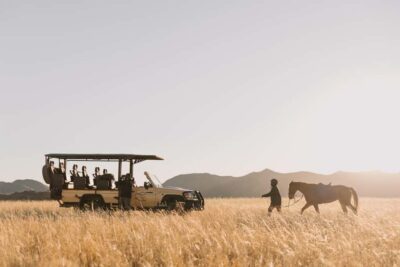 ★ 4.7Zannier Game Drive with Hotel PickupFrom $21818 reviews
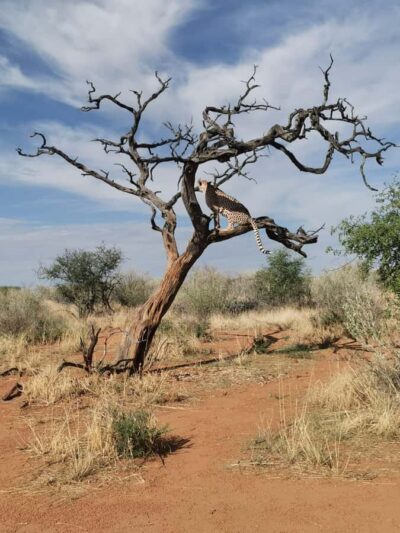 ★ 4.6Cheetah walk ExperienceFrom $2808 reviews
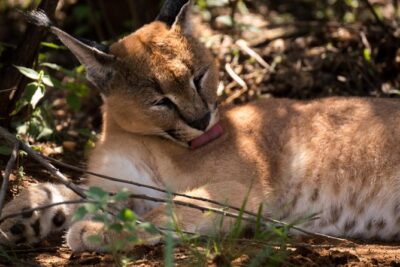 ★ 4.0Discover the Routes of N/a’an ku sê.From $1366 reviews
This tour also turns up in