
REVIEW · WINDHOEK CITY SIGHTSEEING
Windhoek: City Tour
Windhoek can feel small at first glance, then Katutura changes the whole picture. This tour strings together the city’s best-known landmarks and Namibia’s independence story, then finishes with a hands-on look at local life in Katutura Township and Oshetu Community Market. It’s an efficient way to get oriented fast, without skipping the places that explain how modern Windhoek got here.
I really liked two parts: the way the guide connects buildings to Namibia’s independence struggle, and the final market stop where the food tastings add a real sense of place. Small group size also helps, because you can ask questions without shouting over a big crowd.
The main thing to consider is timing. You only get about 15 minutes at the first two major stops, and whether you can see inside Christuskirche depends on whether it’s open.
In This Review
- Key highlights you will actually feel
- The big picture: why this Windhoek tour works
- Christuskirche: Windhoek’s landmark, with a footnote on access
- Parliament Gardens: independence explained where it matters
- National Museum area: Dr. Sam Nujoma and the 30-year view
- Alte Feste passing viewpoint: German and South African influence
- Katutura Township: where more than half of Windhoek lives
- Oshetu Community Market: Kapana, mopane worms, and mealie pap
- Price and value: what you get for about $35
- What to bring, and what can trip you up
- Who this tour is best for
- Should you book this Windhoek City Tour with Katutura?
- FAQ
- How long is the Windhoek City Tour?
- What is the price per person?
- Is hotel pickup and drop-off included?
- What food and drinks are included?
- How big is the group?
- What should I bring, and are there any restrictions?
Key highlights you will actually feel
- Christuskirche in the city center, with a chance to step inside if it is open
- Parliament Gardens near Parliament House, focused on Namibia’s fight for independence
- National Museum and Dr. Sam Nuyoma focus, with context for where things stand today
- Alte Feste passing viewpoint, tied to the German and South African periods before independence
- Katutura Township visit, where more than half of Windhoek residents live, across mixed suburbs
- Oshetu Community Market food tasting, including options like kapana (BBQ meat), mopane worms, and mealie pap
Other half days spent looking around Windhoek
The big picture: why this Windhoek tour works
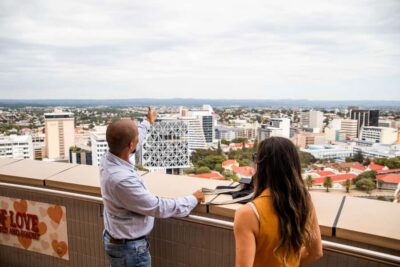
This is a smart half-day in Windhoek because it does two jobs at once. You get the recognizable sights, then you get the parts that most visitors miss because they require a local guide and a little context.
Windhoek’s city center landmarks help you understand the “official” face of the country. Then you head to Katutura, where the tour shifts from monuments to everyday life. That change is the point. It helps you see Windhoek as a whole, not just a postcard.
And the small group format matters more than you might think. With a group limited to four people, the guide can answer questions that actually come up as you move from site to site. Guides like Cliff, Nelson, or Benny (based on different tour experiences) are praised for explaining both historical details and what life looks like now, which makes the tour feel like conversation, not recitation.
Christuskirche: Windhoek’s landmark, with a footnote on access
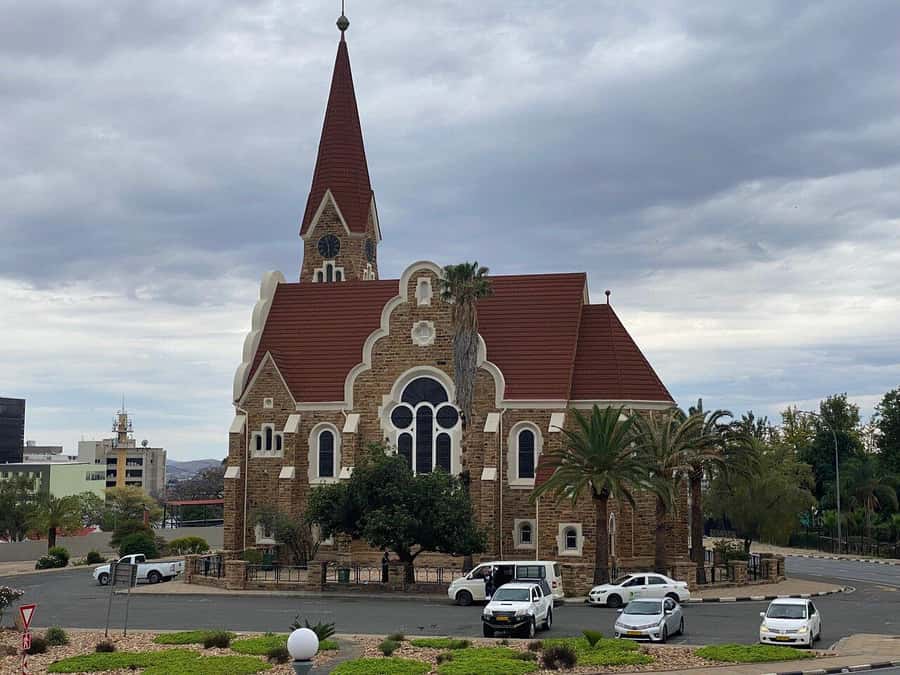
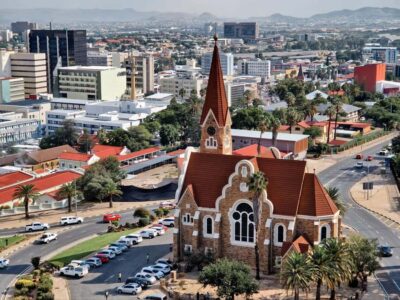
Your first stop is Christuskirche, Windhoek’s most recognizable landmark in the city center. The idea is simple: you get your bearings immediately with a building that locals point to and visitors remember.
You’ll spend about 15 minutes here. The tour includes time to look inside, but only if it is open, so don’t plan your expectations around a guaranteed interior visit. Even from outside, the church’s design is distinctive, and having it as the opening stop sets a clear visual “anchor” before the tour moves into Namibia’s independence story.
What I like about starting with Christuskirche is that it gives you a mental map. After that, you can follow the history more easily because the route stays in a logical flow.
Parliament Gardens: independence explained where it matters
Next up is Parliament Gardens, named for its proximity to Namibia’s Parliament House. You’ll get about another 15 minutes here, with a guided explanation of Namibia’s history and the people who fought for independence.
This stop is valuable because it connects national history to a physical setting. You’re not just learning names and dates, you’re standing near the seat of national decision-making. That makes the independence narrative feel more grounded, and it sets you up to understand why later sites like the museum and Alte Feste matter.
A practical tip here: since this is a short stop, come ready with one or two questions. If you’re curious about how independence changed daily life, ask the guide early. You’ll often get a better, clearer answer before the tour moves on.
Other town days in Namibia
- Windhoek: Katutura Township and City Walking Tour
★ 4.7 · 15 reviews - City Tour of Windhoek Namibia
★ 4.5 · 9 reviews - Windhoek City Tour
★ 3.5 · 7 reviews - Windhoek: City & Township tour. Vehicle, guide, kapana
★ 4.2 · 4 reviews
National Museum area: Dr. Sam Nujoma and the 30-year view
You’ll also pass by the National Museum of Namibia rather than spending a long sit-down session inside. The tour uses that as a context moment, focusing on Dr. Sam Nuyoma, Namibia’s founding father, and the struggle for independence.
Why this works, even without a full museum visit: the tour sets a timeline. It doesn’t end with the independence struggle. You also get the point that roughly 30 years later, Namibia is still shaping what independence looks like in the present day.
If you love history, you might wish you had more time inside a museum. But as a city tour, this format is a good compromise. You get direction and context now, then you can decide later if you want to return on your own for a deeper museum experience.
Alte Feste passing viewpoint: German and South African influence
From central Windhoek, the tour passes by Alte Feste. This is used as a jumping-off point to talk about earlier periods before independence, including the role of Germans and South Africans.
Passing by Alte Feste can feel brief on paper, but it’s still useful because it adds a layer to what you just heard in Parliament Gardens and the museum context. It helps you see that independence did not happen in a vacuum. Earlier control and systems shaped what came before the modern state.
I also appreciate this stop because it keeps the tour moving while still giving you historical grounding. If you’re traveling with limited time, that balance is a real value.
Katutura Township: where more than half of Windhoek lives
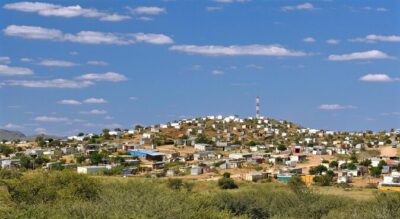
Then it’s time for Katutura Township, where more than 50% of Windhoek residents live. The tour spends close to an hour here, and it’s one of the most meaningful parts of the day.
Katutura is not a single uniform neighborhood. It’s made up of different suburbs across different socio-economic levels. That detail changes how you should experience the area. You’re not looking for one fixed “type” of scene. You’re looking at the complexity of a city where many people live close together, with different realities side by side.
This stop is valuable because it shifts from national identity to lived experience. You’ll be able to understand Windhoek as something social, not just political. Guides tend to explain how people navigate daily life, and the best tours help you ask questions respectfully and get answers that make sense.
A consideration: because this is time spent in a residential township area, wear comfortable shoes and keep your camera habits thoughtful. You’ll want to stay aware of where you are and what you are photographing, even if your guide keeps things clear.
Oshetu Community Market: Kapana, mopane worms, and mealie pap
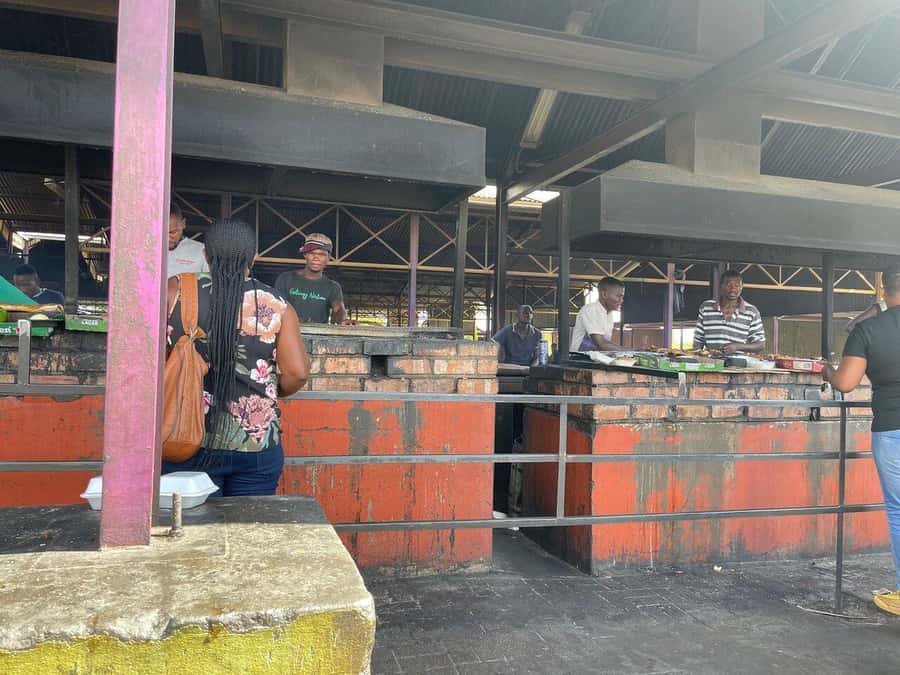
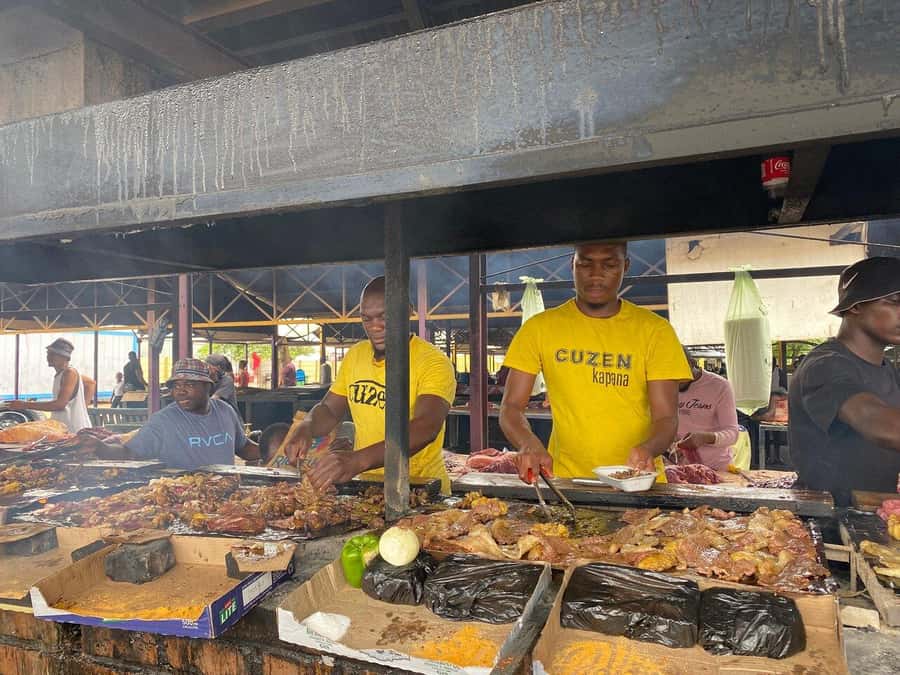
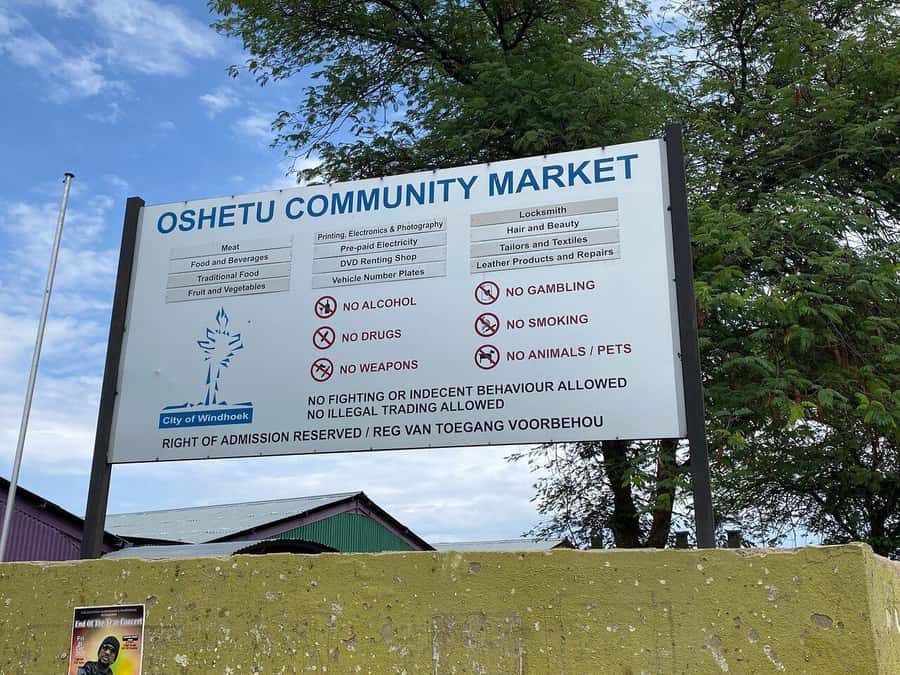
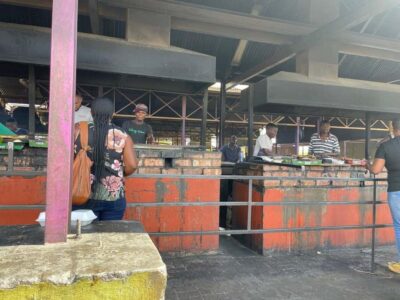
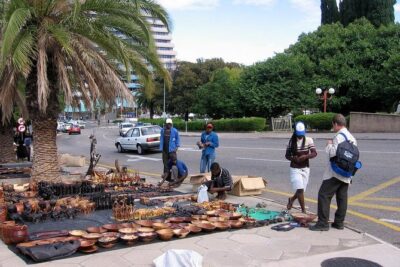
The tour finishes at Oshetu Community Market. You’ll have about 30 minutes here to explore and try local delicacies in the form of food tasting.
This is not just about eating. It’s about seeing how people shop and what everyday food looks like in practice. And it’s also a social “wrap-up” after the heavier history stops earlier in the day.
Included tastings can include things like kapana (BBQ meat), mopane worms, and mealie pap, plus more local options. That variety is a big part of why the market feels memorable. It’s one of the few spots in Windhoek where food tastings are built into a city tour plan.
Two practical notes:
- Drinks other than the included water bottle are not part of the package, so plan for that if you think you’ll get thirsty while browsing.
- Bring cash if you want to buy anything beyond the tastings. The tour provides the tasting, but you may see other treats and items you’ll want to try.
Price and value: what you get for about $35
At around $35 per person for about 210 minutes, this tour prices itself as “good orientation plus real texture.” You’re not paying for a long museum day, and you’re not getting a short highlight loop either. You’re getting a structured route that covers landmarks, independence context, and a township visit in one go.
For me, the value comes from three areas:
- Hotel pickup and drop-off, plus transport by an air-conditioned minivan
- A local English guide who can connect the dots across sites
- Food tastings at the end, rather than just standing near a market and moving on
Also, the group limit to four participants is part of the value. In a small group, your questions tend to get answered properly, and you spend less time waiting.
If you like self-guided travel, you might do a cheaper route on your own. But if you want the context and the ability to ask why things look the way they do, the guide is doing real work.
What to bring, and what can trip you up
This tour is simple, but being prepared makes it smoother.
Bring:
- Hat (helpful in the sun)
- Camera
- Cash (especially for market purchases beyond tastings)
Also note:
- Drones are not allowed.
- You get one water bottle per person, but other beverages are not included.
- Lunch is not included, so you’ll want to time the tour earlier in your day or plan what you’ll do afterward.
One more small planning thought: because some stops are short, make sure your expectations match a city tour pace. You’re there to get meaning and context, not to linger for hours.
Who this tour is best for
This works especially well if:
- You want a focused introduction to Windhoek in about three and a half hours
- You care about Namibia’s independence story but don’t want to piece it together yourself
- You’re curious about Katutura and want it explained, not just filmed
- You prefer a small group setting where you can ask questions
It’s also a decent option if you’re just passing through and need a structured plan with pickup and transport handled.
Should you book this Windhoek City Tour with Katutura?
I think you should book it if you want an efficient, human-scale way to understand Windhoek. The standout parts for me are the guide-led explanation across the independence narrative and the market finish where local food becomes part of the story.
Skip it if you’re the type who wants long stops, deep museum time, or zero movement between sites. Also consider that Christuskirche interior access depends on whether it is open, so you’ll want to accept the possibility of only viewing it externally.
If your goal is to get oriented, learn what matters, and end with a local taste of daily life, this is a strong pick.
FAQ
How long is the Windhoek City Tour?
The tour lasts about 210 minutes, or roughly 3.5 hours.
What is the price per person?
The price is $35 per person.
Is hotel pickup and drop-off included?
Yes. You’ll get hotel pickup and drop-off, with pickup from your hotel reception or waiting area.
What food and drinks are included?
Food tasting is included at the Oshetu Community Market. You’ll also receive 1 water bottle per person. Other beverages are not included, and lunch is not included.
How big is the group?
The group is limited to 4 participants.
What should I bring, and are there any restrictions?
Bring a hat, camera, and cash. Drones are not allowed.
More Trips Across Namibia
- Windhoek: City and Township Tour★ 4.8 · 430 reviews
- Half-Day Windhoek City and Township Cultural Tour★ 4.5 · 187 reviews
- Windhoek City Tour★ 5.0 · 113 reviews
- 10-Day Namibia Highlights Guided Tour from Windhoek★ 5.0 · 78 reviews
- 11 Days Small Group Namibia Experience Fully Accommodated Tour★ 5.0 · 31 reviews
More Namibia Reviews
- Windhoek: City and Township Tour★ 4.8 · 430 reviews
- Half-Day Windhoek City and Township Cultural Tour★ 4.5 · 187 reviews
- Windhoek: Bushman Walk with the San★ 4.9 · 145 reviews
- 6-Day Dunes and Wildlife Accommodated Safari from Windhoek★ 5.0 · 123 reviews
- Windhoek City Tour★ 5.0 · 113 reviews
Windhoek in a Morning
- Windhoek: City and Township Tour★ 4.8 · 430 reviews
- Half-Day Windhoek City and Township Cultural Tour★ 4.5 · 187 reviews
- Windhoek City Tour★ 5.0 · 113 reviews
- Best City Tour of Windhoek★ 4.0 · 10 reviews
- City Tour of Windhoek Namibia★ 4.5 · 9 reviews
Other Namibia trips from our own write-ups


Windhoek City Sightseeing, all of them.
 ★ 4.8City and Township TourFrom $40430 reviews
 ★ 4.5Half-Day Windhoek City and Township Cultural TourFrom $37187 reviews
 ★ 5.0Windhoek City TourFrom $37113 reviews
 ★ 4.0Best City Tour of WindhoekFrom $5510 reviews
 ★ 4.5City Tour of Windhoek NamibiaFrom $849 reviews
★ 3.5Windhoek City TourFrom $487 reviews
★ 4.5City Tour of Windhoek NamibiaFrom $849 reviews
★ 3.5Windhoek City TourFrom $487 reviews
 ★ 4.2City & Township tour. Vehicle, guide, kapanaFrom $654 reviews
This tour also turns up in