
REVIEW · KATUTURA & MONDESA TOWNSHIP WALKS
Swakopmund: Mondesa Township Day Tour Experience
That warm, real-life look at Namibia starts fast. Walking Mondesa streets with a local guide and sharing a family-home meal is the best part. Just note that it is not a casual stroller-and-viewpoints kind of outing, and the street walking plus dress rules can be a deal-breaker for some.
You get stress-free hotel pickup in and around Swakopmund and then a tight, 3-hour schedule focused on people, schools, and community projects. I also like that you get English guidance and an included English audio guide, so you are not left guessing what you are seeing.
The main drawback to consider is the comfort level: this tour is not suitable for pregnant women, and you’ll want closed-toe shoes and long pants because shorts and sandals are not allowed.
In This Review
- Key things that make this Mondesa tour worth your time
- Mondesa Township, the goal is people, not photo stops
- Getting from Swakopmund to Mondesa, without the hassle
- School visits and street walking, where the tour turns real
- Acapella and community projects, listening matters
- The family home meal, where you learn through taste and sharing
- Guide style, English guidance, and the names that pop up
- Price and value: $65 for 3 hours with pickup, meals, and drinks
- Who should book, and who should skip this one
- What to bring, and the dress rules that can catch you off guard
- Should you book the Swakopmund Mondesa Township day tour?
- FAQ
- How long is the Mondesa Township day tour?
- Where is the tour located?
- How much does the tour cost?
- What is included in the price?
- Does the tour include a guide and in what language?
- Is there any special performance during the tour?
- What should I wear or bring?
- Is it wheelchair accessible?
- Are souvenirs included?
- Is it suitable for pregnant women?
- What is the cancellation policy?
- Can I reserve without paying right away?
Key things that make this Mondesa tour worth your time
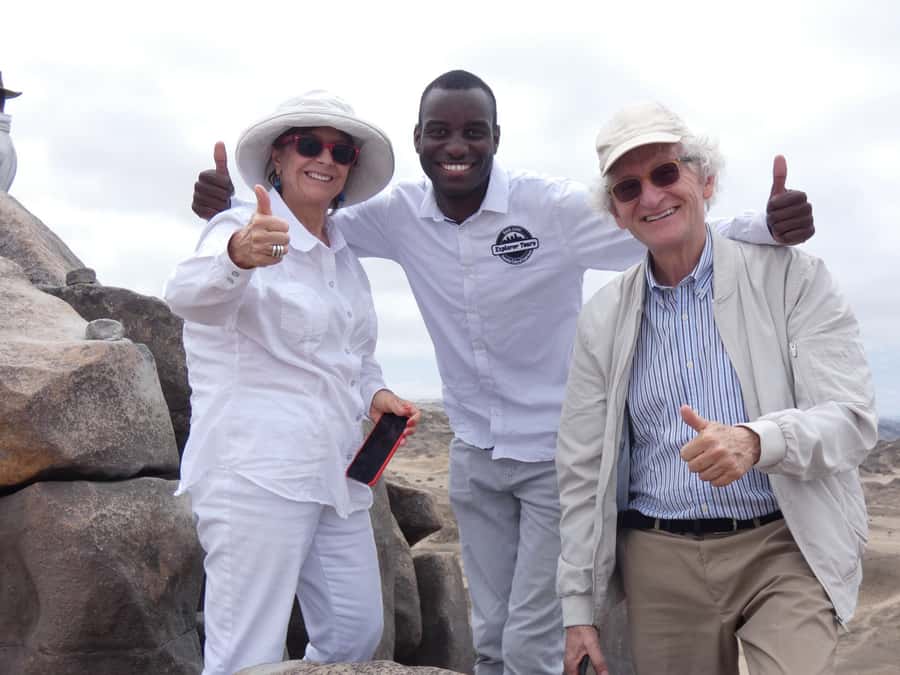
- Guides with deep local roots, including Nande, who grew up in Mondesa and has been guiding for about 15 years
- School and kindergarten visits plus genuine street time, where daily life is the point
- Live acapella singing, not just background music
- Community projects that show how people organize and support each other
- Traditional food and local drinks at a family home, served as part of the experience
More walks through Katutura and Mondesa with local guides
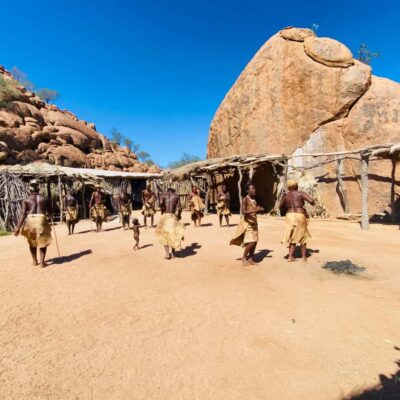
Mondesa Township, the goal is people, not photo stops
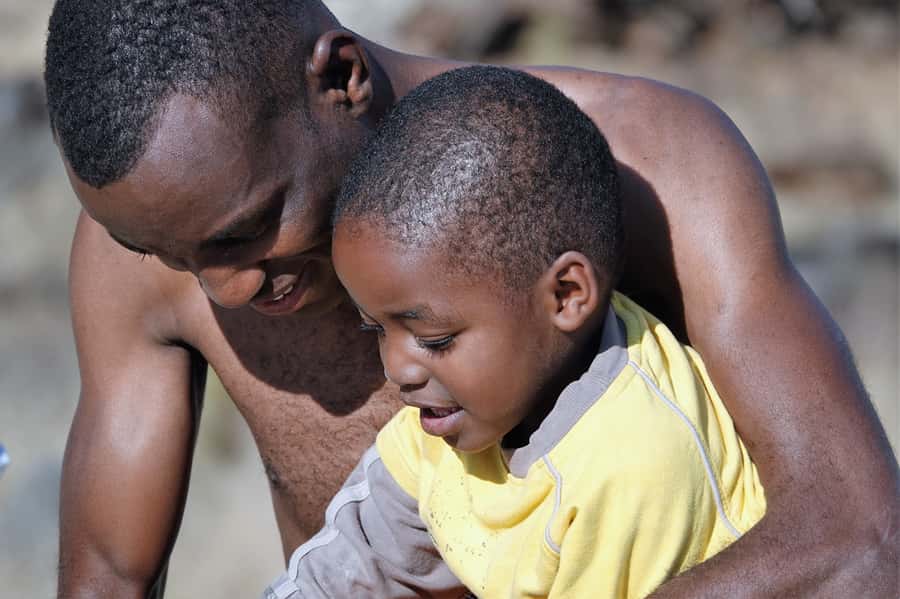
Mondesa is a township just outside Swakopmund, and this tour is built around meeting people rather than checking boxes. You’re walking through the streets, hearing kids at play, and noticing the rhythms of day-to-day life. That matters because most visitors arrive with the wrong expectation: a township tour is not a stage show, it is neighbors living their normal day.
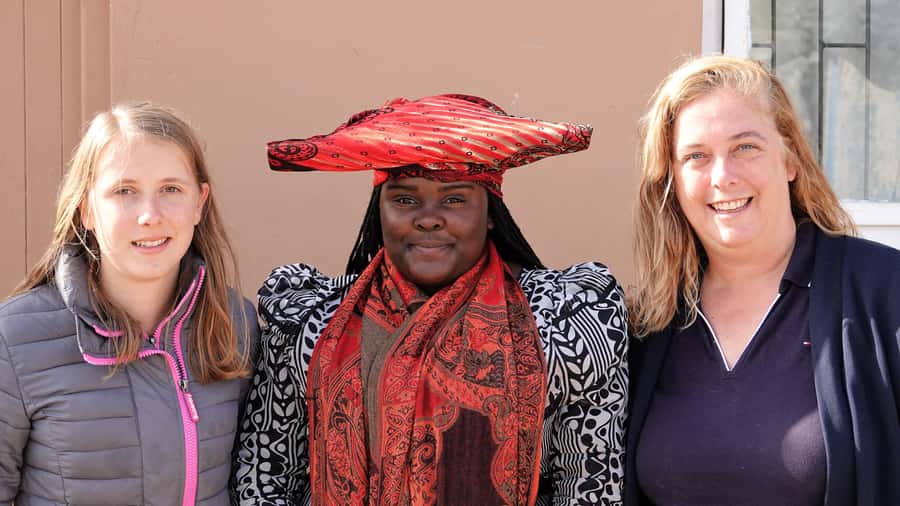
You’ll also get context on different cultures and identities, including Nama, Damara, and Herero, and you may hear references to other groups such as Ovambo and Ovahimba as your guide explains the wider Namibian picture. The point is not to cram facts, it is to help you understand why this community looks and sounds the way it does.
One more thing I appreciate: the tour is guided, but it is not a lecture. It is conversation. When you are offered a chance to try local food, or to learn a small word like Uharapo, you get a shortcut to respect, not just sightseeing.
Getting from Swakopmund to Mondesa, without the hassle
The experience starts with hotel pickup in and around Swakopmund. That is a big value point, because it removes the usual day-trip friction: finding the meeting spot, figuring out transport, and worrying about timing on your own.
Once you’re moving toward Mondesa, the schedule stays tight and intentional for a 3-hour outing. You’ll spend most of your time on the ground, not parked in a vehicle. For many people, that is the best trade-off: a half-day trip that still feels substantial.
This is also where you should pay attention to comfort planning. The tour involves walking in the township streets. You’ll want to wear the kind of shoes that handle dust and uneven pavement, because it is not a polished promenade.
School visits and street walking, where the tour turns real

A core part of the experience is visiting schools or kindergartens. This is not framed as a quick peek and a goodbye. You’re there long enough to notice how learning spaces work in daily life, and you get a chance to see how the community values education.
After the school visit, you walk the streets of Mondesa. That street walk is the heart of the tour, because it is where you smell the sidewalk barbecues, see how people set up their day, and hear kids playing. You also get a guided filter through the neighborhood, which helps you understand what you’re seeing instead of just reacting to it.
The big takeaway for you: your mindset matters. If you treat it like a rapid photo circuit, you will miss the conversations and the little moments. If you treat it like a guided walk with local explanations, you’ll come away with a clearer sense of how community life really works.
- Walvis Bay: Marine Big 5 Luxury Catamaran Tour
★ 4.8 · 1,012 reviews - Swakopmund: Desert Dunes Quad Biking with Optional Sandboard
★ 4.9 · 590 reviews - Walvis Bay and Sandwich Harbour Tour
★ 4.8 · 483 reviews - Scenic Sandwich Harbour Tour
★ 5.0 · 277 reviews - Sandwich Harbour Adventure: Seals and Sandwich harbour dune drive
★ 5.0 · 165 reviews
Acapella and community projects, listening matters
At some point during the tour, you’ll hear a live acapella performance. This is one of those “small time, big emotional effect” parts of the day. It also changes the tone of the tour, from seeing buildings and routines to experiencing something created by the community.
Then you’ll visit local community projects. I like that this is included, because it signals that the tour is not only about what visitors can observe. It is also about what residents are building, organizing, and sustaining.
Practical note: this is still a 3-hour tour, so the projects are likely timed so you get a taste, not a full-day tour of every initiative. If you want deeper follow-up, plan to ask your guide questions in the moment, and you’ll learn what you can reasonably do next after you leave.
The family home meal, where you learn through taste and sharing
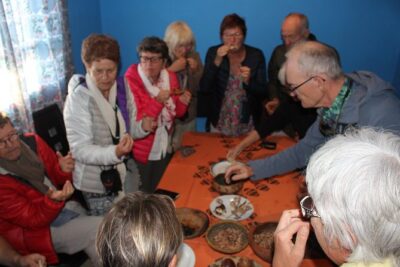
This is the part many people remember most. You try traditional local food at a family home, and you’ll also have drinks included. Food tourism can be a trap, in the sense that some tours treat meals like a checkbox. Here, it’s framed as hospitality, and that changes the experience.
In many groups, guests report the food is served as part of a real home setting, often with singing alongside the meal. Guides like Frans, and also well-known local guides such as Nande, are the kind of people who can explain what you’re eating and why it matters in the community’s daily life.
You also get small language moments that make the day feel personal. Learning a short phrase like Uharapo is not a gimmick. It helps you show you’re trying, not just consuming.
What you should know before you go: the tour provides meals and drinks, so you can travel lighter. But if you have dietary restrictions, the tour data does not spell those out for you. So I recommend messaging the operator in advance and asking what’s typically served and how flexible meals are.
Guide style, English guidance, and the names that pop up
The tour is run with a live guide in English, and there’s an included English audio guide as well. That combination is practical: your live guide handles questions and context, while the audio helps you follow along when things move quickly.
One of the best signals of quality in this experience is the guide background. Nande is a local guide from Mondesa who grew up there, and he started guiding about 15 years ago while still in school. That kind of path usually means the stories feel lived-in, not memorized.
In real life, you might meet different guides depending on the day. Reviews mention names like Frans and Nico, both of whom are described as informative, with the kind of patience that makes a short tour feel less rushed. If you’re the type who likes to ask a lot of questions, this style tends to work well.
Price and value: $65 for 3 hours with pickup, meals, and drinks
At $65 per person for a 3-hour tour, the price is not aimed at the cheapest end of the spectrum. But it does include the things that usually add up fast on your own: pickup and drop-off around Swakopmund, meals, and drinks, plus the guide time and community access.
Here’s how I think about value for this specific experience: you’re paying for proximity and translation. Access to school visits, street-walking guidance, a family-home meal, and a live acapella moment takes local relationships and time. If you tried to recreate this independently, you would spend far more time figuring out logistics and risk missing the cultural context that makes it meaningful.
So if your goal is a short, focused cultural experience rather than a long-drive big-ticket itinerary, this one can be good value. If you dislike walking, or if you expect a polished museum-style experience, you may feel the cost but not the connection.
Who should book, and who should skip this one
This tour is a good fit if you want a guided, people-first look at Namibia beyond the beachfront postcard. It works well for solo travelers, couples, and families, since the tour notes that it caters to all persons young and old.
It is also listed as wheelchair accessible, which matters for planning. Still, because the tour involves street walking, I suggest checking with the operator about route conditions and how much walking is involved for mobility needs.
Who should skip: the tour is explicitly not suitable for pregnant women. Also, because shorts and sandals or flip-flops are not allowed, consider that in your packing decisions. This is one of those outings where “wearing whatever” can get you stuck at the start.
What to bring, and the dress rules that can catch you off guard
The tour asks you to bring comfortable, closed-toe shoes. Shorts are not allowed, and sandals or flip-flops are not allowed either. Plan for practical clothing, not just comfortable for the city, but comfortable for walking in a township environment.
You may also bring sweets or stationary for children if you wish. That is optional, and it is a thoughtful idea if you want to share something small in a respectful way. If you do bring items, keep them simple, and follow whatever guidance your guide gives you on how and when to offer them.
A small planning tip: this tour is short. That means you should use your energy wisely. Hydrate before you go, wear your most stable shoes, and keep your schedule calm so you can actually pay attention.
Should you book the Swakopmund Mondesa Township day tour?
If you want a 3-hour cultural experience that is built around meeting locals, visiting schools, hearing live acapella, and sharing a family-home meal, this is the kind of tour that can give you real perspective fast. I especially like it for travelers who feel frustrated by tours that spend all their time behind glass and then offer a single gift-shop stop.
If you need a strictly low-walking itinerary, are sensitive to the realities of community life, or you do not want to follow dress rules, then it may not match your comfort level.
Also, because pickup is part of the deal, take pickup seriously. Confirm your pickup details before the day and make sure you know where your guide will find you around Swakopmund. That small step can protect your day-trip mood.
Overall: book it if you’re ready to walk, talk, and eat like a guest.
FAQ
How long is the Mondesa Township day tour?
The tour duration is 3 hours.
Where is the tour located?
It operates in Erongo, Namibia, around Swakopmund, with the township visit to Mondesa.
How much does the tour cost?
The price is $65 per person.
What is included in the price?
Hotel pickup is included, along with meals and drinks.
Does the tour include a guide and in what language?
Yes. The live tour guide is in English, and an English audio guide is also included.
Is there any special performance during the tour?
Yes. There is a live acapella performance.
What should I wear or bring?
Bring comfortable shoes with closed toes. Shorts and sandals or flip-flops are not allowed.
Is it wheelchair accessible?
The tour is listed as wheelchair accessible.
Are souvenirs included?
No, souvenirs are not included.
Is it suitable for pregnant women?
No, the tour is not suitable for pregnant women.
What is the cancellation policy?
You can cancel up to 24 hours in advance for a full refund.
Can I reserve without paying right away?
Yes. There is a reserve now, pay later option.
More Trips Across Namibia
- Walvis Bay: Marine Big 5 Luxury Catamaran Tour★ 4.8 · 1,012 reviews
- Walvis Bay and Sandwich Harbour Tour★ 4.8 · 483 reviews
- Scenic Sandwich Harbour Tour★ 5.0 · 277 reviews
- Scenic Desert Tour by Bike★ 5.0 · 165 reviews
- Living Desert Eco Dune Tour★ 5.0 · 113 reviews
More Namibia Reviews
- Walvis Bay: Marine Big 5 Luxury Catamaran Tour★ 4.8 · 1,012 reviews
- Swakopmund: Desert Dunes Quad Biking with Optional Sandboard★ 4.9 · 590 reviews
- Walvis Bay and Sandwich Harbour Tour★ 4.8 · 483 reviews
- Scenic Sandwich Harbour Tour★ 5.0 · 277 reviews
- Sandwich Harbour Adventure: Seals and Sandwich harbour dune drive★ 5.0 · 165 reviews
Katutura and Mondesa, Other Guides
- Swakopmund Best Cultural Historical Township Tours Namibia★ 5.0 · 8 reviews
- Explorer Historical Private Township Cultural Tours★ 4.0 · 6 reviews
- Explorer Private Cycling Township Tours★ 3.9 · 5 reviews
- Swakopmund Explorer Township Tour in Mondesa with Nande the Township Local Guide★ 5.0 · 4 reviews
- Half Day Swakopmund Cultural Historical Township Tour★ 5.0 · 4 reviews
Other Namibia trips from our own write-ups


Katutura & Mondesa Township Walks, all of them.
 ★ 4.8City and Township TourFrom $40430 reviews
 ★ 4.5Half-Day Windhoek City and Township Cultural TourFrom $37187 reviews
 ★ 5.0Katutura – Classic Township ExperienceFrom $4022 reviews
 ★ 4.7Katutura Township and City Walking TourFrom $4915 reviews
 ★ 3.7Mondesa Township TourFrom $16013 reviews
 ★ 5.0Katutura Tour – Experience Genuine Namibian LifeFrom $4011 reviews
 ★ 5.0Swakopmund Best Cultural Historical Township Tours NamibiaFrom $408 reviews
 ★ 3.5Local Guided Walvisbay & Swakopmund Township Experience Day TourFrom $828 reviews
This tour also turns up in