
REVIEW · KATUTURA & MONDESA TOWNSHIP WALKS
Swakopmund Best Cultural Historical Township Tours Namibia
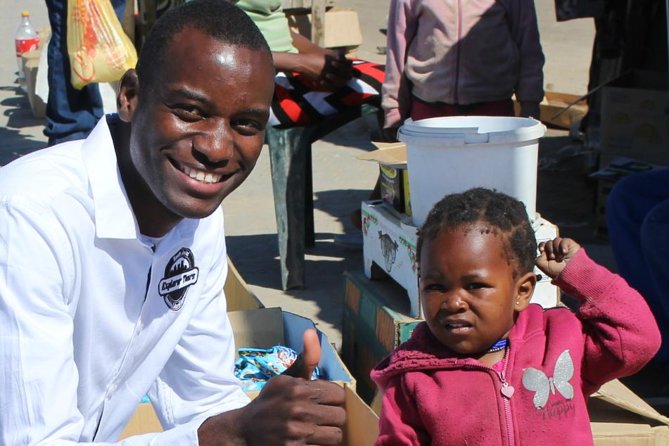
Mondesa hits you in the best way. I love the way a local private guide gives context you cannot read on a sign, and I love sharing a home-cooked lunch with a family in their own home. This 4-hour Swakopmund experience takes you into Mondesa with a responsible approach, including a market visit, community arts work, and hands-on cultural lessons. A key detail I respect: 25% of what you pay is shared back with the community.
There is a lot packed in, and it is not fluffy. I’d think twice if you want only light sightseeing, because Mondesa’s story is tied to Namibia’s apartheid era and the tour involves walking and time inside local spaces. The good news is that the pace is guided, so you are not just dropped into a neighborhood and left to figure it out.
In This Review
- Key points worth knowing before you go
- Mondesa from Swakopmund, what makes this feel real
- Responsible tourism that actually shows up in your day
- Private pickup and a less intrusive pace
- The open market, where first impressions come from
- Mondesa streets and homes, walking at a human scale
- Herero and Himba culture, taught in lived context
- Damara click language, a fun skill with real meaning
- Community arts and crafts projects, seeing culture made
- A lunch at a family home, the part that sticks
- A bonus walk in Swakopmund, German-era quirks on foot
- Price and value for a 4-hour private cultural visit
- Who should book this Mondesa tour, and who should skip it
- Should you book? My straight answer
- FAQ
- How long is the Mondesa township tour?
- Where does this tour take place?
- How much does it cost?
- Is pickup offered?
- Is this tour private?
- What is included in the tour?
- Will I learn Damara click language?
- What level of physical fitness is required?
- Is the ticket mobile?
- What is the cancellation policy?
Key points worth knowing before you go
- 25% community return: part of your payment is given back to the people involved in the tour activities.
- Local guiding with real names: guides such as Nande, Natal, and Antonia have led groups and explained daily life and history in plain terms.
- Market plus arts projects: you do not only watch, you see community work in action, including crafts and cultural instruction.
- Damara click-language practice: you get taught the distinctive clicks, not just trivia.
- Home meal experience: lunch is prepared at a family home, which changes the feel of the visit.
More walks through Katutura and Mondesa with local guides

Mondesa from Swakopmund, what makes this feel real
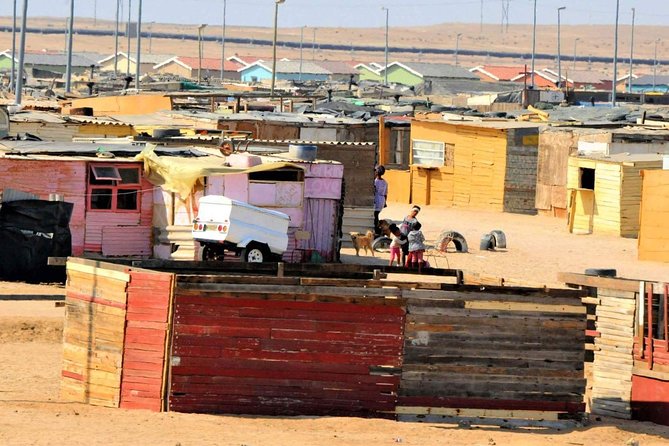
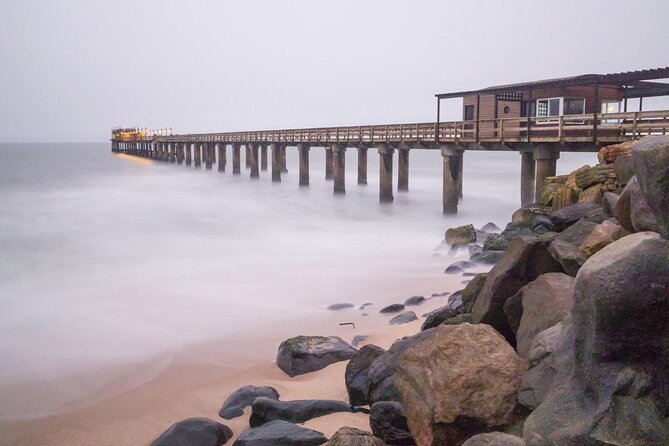
Swakopmund sits where the desert meets the Atlantic, and even the town’s vibe can make you think you already understand Namibia. Then you step into Mondesa, and the tone shifts fast. This is a township visit designed to explain what you are seeing, not just show it.
The big “realness” comes from the combination of places: the open market, the community projects, and then a family meal. One without the others would feel incomplete. Together, they tell you how people live, make things, trade, and keep culture alive, even in a place shaped by apartheid-era planning.
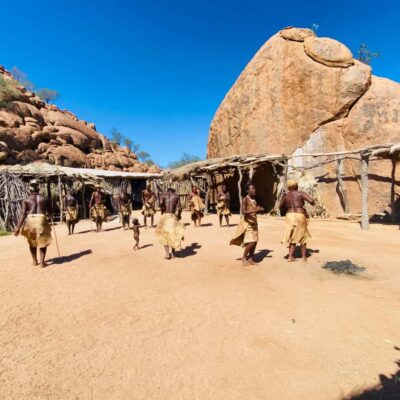
I also like how the tour frames Namibia’s diversity as something you can experience directly. You get cultural learning connected to real people, including the Herero and Himba cultures, plus instruction connected to Damara language and the region’s broader ethnic mix.
Responsible tourism that actually shows up in your day
This is not marketed as charity theater. Your visit is tied to a specific community return: 25% of your payment goes back to the community. That matters because it changes how you show up. You are not only collecting photos, you are participating in a system that is supposed to benefit the people hosting your learning.
The same approach shows up in the kind of activities included. You visit community arts and craft projects and see the work connected to teaching culture and skills. You also meet people through a family home meal. That gives your time a purpose beyond sightseeing.
The tour provider, Explorer Cultural Township Tours, has also been recognized in responsible tourism circles, including being a finalist for the 2018 African Responsible Tourism Awards and selected for best responsible cultural experience in Africa. I would not treat awards as proof of everything, but they do suggest this is not a random pickup-and-drop arrangement.
Private pickup and a less intrusive pace
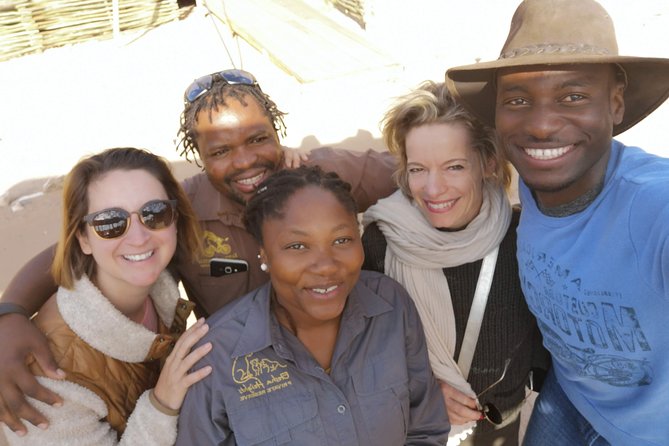
You get a private tour, meaning only your group participates. That is a practical advantage in a township setting. It keeps the visit from becoming a parade, and it lets your guide steer the pace around what you are comfortable with.
Pickup is offered, which helps when you are in Swakopmund for a short stay. Getting to Mondesa without figuring out local transport on your own makes the day feel smoother and safer.
One more small but important detail: the tour requires a minimum of 2 travelers per booking. If you are traveling solo, you may need to find someone to join you or pick a different time window, depending on what is available.
Other trips into Namibian history
- City Tour of Historical Swakopmund
★ 5.0 · 8 reviews - Cultural Tour in Swakopmund
★ 5.0 · 3 reviews
The open market, where first impressions come from
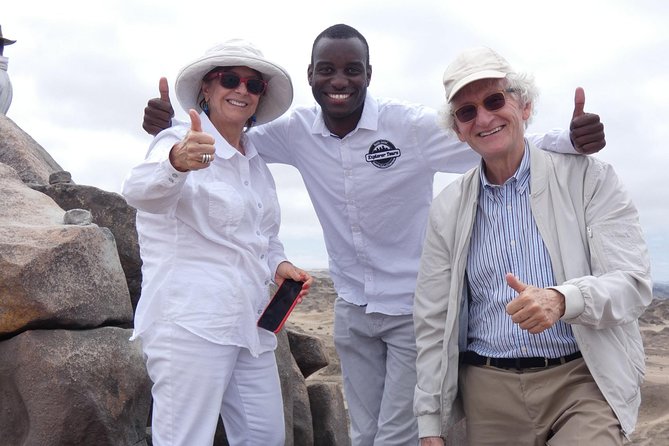
The tour includes a guided visit to the Open Market in the township. This is a strong starting point because markets are where daily life becomes visible. You get a firsthand sense of what people buy, sell, and value, and your guide can explain it in context rather than leaving you guessing.
You also get to walk the streets of Mondesa, with time where photography is part of the experience. The tour info specifically notes chances to take pictures of kids and houses. Still, I’d treat that as a “with respect” moment. In small communities, cameras can feel intimate, so follow your guide’s cues and keep things considerate.
What I like about starting at the market is that it anchors everything else. Later, when you talk about language, cultures, and history, you can connect the lessons to everyday rhythms you saw earlier.
Mondesa streets and homes, walking at a human scale

Walking through Mondesa is where the tour becomes more than a drive-by experience. You move through the neighborhood on foot and your guide helps you understand what you are seeing, including homes and everyday life.
This is also where comfort level matters. The tour is listed for travelers with moderate physical fitness, so it is not an “only sit in the car” option. You should be ready for walking and time on uneven ground.
And yes, it is a sensitive environment. The township exists because of apartheid policies, and the purpose of your visit includes learning the historical and social background behind how these communities developed. If you tend to avoid heavy topics while traveling, you might find the emotional weight surprising, even with a friendly guide.
Herero and Himba culture, taught in lived context

The tour includes learning about Herero and Himba culture. That can be easy to turn into museum facts, but this experience tries to keep it human. You are learning through conversation tied to what you see around you and through cultural instruction that your guide provides during the visit.
You may also hear references to other groups, including Ovambo and Ovahimba, as part of the broader explanation of Namibia’s cultural landscape. The goal is not to memorize ethnic groups. It is to understand how culture shows up in language, daily life, and community identity.
One of the most praised aspects from people who have done it is that the guide takes time to explain. In real terms, that means you are not just reading a quick explanation from the roadside. You get a guided story that helps you connect the dots.
Damara click language, a fun skill with real meaning

One of the standout parts is learning the Damara click language. The tour includes being taught the click language as part of the community and arts projects stop.
Even if you only manage a few clicks, it changes how you see language. Clicks are not just a novelty. They are part of how Damara speech expresses meaning and identity, and practicing them makes your learning more physical and memorable.
This is also where I notice why the guide matters. People consistently rate this experience highly when the guide explains in a patient, practical way. In other words, you are not left feeling awkward. You are given a chance to try.
Community arts and crafts projects, seeing culture made
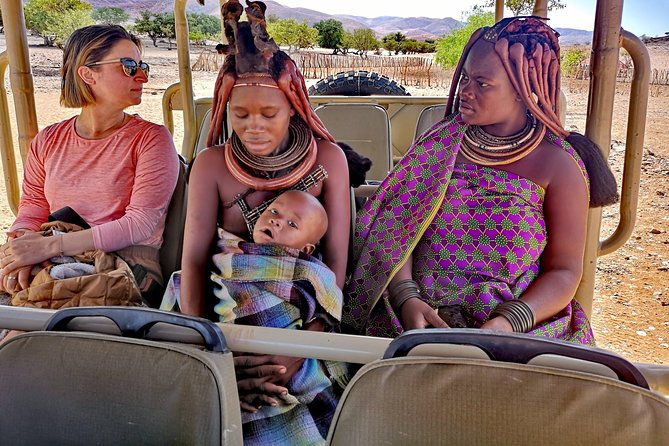
You visit community arts and craft projects during the tour. This is one of those inclusions that can quietly improve everything. Instead of only hearing about culture, you see it made and taught.
For many visitors, the most impressive moment is not one big sight. It’s the sense that community work continues day to day, with skills passed along and creativity built into daily life. That is also why a responsible tour approach matters. It supports the places where people are actively maintaining culture, not only performing it.
The tour includes guided instruction linked to these projects, so you are not just watching. You are participating through learning, and that usually leads to better questions. And better questions lead to better understanding.
A lunch at a family home, the part that sticks
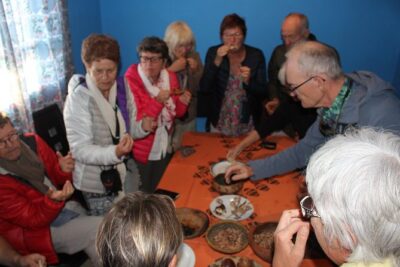
The experience includes a local meal prepared at a family home. This is often the most meaningful part of a cultural tour, and it is easy to see why here. Sharing food is intimate, and it turns your visit from “watching” into “being welcomed.”
The tour includes lunch, and the family meal is part of the planned schedule. People who have done the tour described the visit as warm and community-focused, with the family setting helping them understand everyday traditions instead of treating culture as an exhibit.
Practical reality check: you might want to bring your politeness and a flexible attitude. This kind of meal is more than lunch. It is an exchange, and your best move is to be present, curious, and respectful.
A bonus walk in Swakopmund, German-era quirks on foot
After the township side, Swakopmund comes back into focus. One part of the experience includes a walking-style exploration of Swakopmund, helping you see the historic town where German colonists originally settled.
Swakopmund is known for a quirky style that survives even as the town grows. On foot, you catch small details you might miss from a car. That walking time matters because it gives you mental contrast. You shift from township learning to the coastal town’s atmosphere and architecture, and you process what you have learned without rushing.
This is also a nice fit for a half day schedule. You get both the cultural learning and the chance to get your bearings around Swakopmund at a human pace.
Price and value for a 4-hour private cultural visit
At $40 per person for about 4 hours, this tour sits in a value zone that makes sense for what is included. You are paying for more than transportation. Your day includes:
- a guided Mondesa township walk and market visit
- culture and language instruction, including Damara click practice
- community arts and craft projects
- lunch prepared at a family home
- a responsible approach that returns 25% to the community
Add up the services and it becomes easier to understand why people book it. On average it is booked about 28 days in advance, which suggests demand from visitors who want something structured but authentic, not random.
One more note: it is private, but it still has a minimum number of travelers per booking. If you are flexible on dates and you care about this exact format, plan ahead rather than assuming you can book last minute.
Who should book this Mondesa tour, and who should skip it
I think this is an excellent fit if you want Namibia’s culture explained by people who live it. If you are the type who likes asking questions and learning languages, the Damara click instruction alone makes the tour feel interactive.
It also fits travelers who appreciate responsible tourism with a clear community return. You are not just buying access, you are supporting community-based activities.
Skip this if your idea of travel is mostly effortless sightseeing. This includes walking in Mondesa, cultural learning tied to apartheid-era history, and time spent in local spaces. If that sounds draining instead of meaningful for you, choose a lighter day.
Should you book? My straight answer
Yes, I’d book it if you want a guided, respectful Mondesa experience that goes beyond surface photos. The strongest reasons are practical: you get a local private guide, you learn specific cultures and language elements, and you share lunch with a family. Add in the fact that 25% of your payment returns to the community, and you have a tour that feels aligned with responsible travel, not just labeled as it.
Book it with the right expectations. This is cultural learning with weight and walking. If you come ready to listen and ask thoughtful questions, you will leave with more than “I was there” photos.
FAQ
How long is the Mondesa township tour?
It runs for about 4 hours.
Where does this tour take place?
The tour is based in Swakopmund, Namibia, and includes visits in the Mondesa township area.
How much does it cost?
The price is $40.00 per person.
Is pickup offered?
Yes, pickup is offered.
Is this tour private?
Yes. It is a private tour/activity, and only your group participates.
What is included in the tour?
Included activities and meals include a guided visit to the Open Market in the township, walking in Mondesa streets, learning about Herero and Himba culture, visiting community arts and craft projects, being taught the Damara click language, experiencing a local meal at a family home, and lunch.
Will I learn Damara click language?
Yes, the tour includes being taught the click language from the Damara tribe.
What level of physical fitness is required?
The tour is suitable for travelers with a moderate physical fitness level.
Is the ticket mobile?
Yes, you receive a mobile ticket.
What is the cancellation policy?
The experience is non-refundable and cannot be changed for any reason. If it is canceled because a minimum number of travelers is not met, you will be offered a different date or a full refund.
More Trips Across Namibia
- Walvis Bay: Marine Big 5 Luxury Catamaran Tour★ 4.8 · 1,012 reviews
- Walvis Bay and Sandwich Harbour Tour★ 4.8 · 483 reviews
- Scenic Sandwich Harbour Tour★ 5.0 · 277 reviews
- Scenic Desert Tour by Bike★ 5.0 · 165 reviews
- Living Desert Eco Dune Tour★ 5.0 · 113 reviews
More Namibia Reviews
- Walvis Bay: Marine Big 5 Luxury Catamaran Tour★ 4.8 · 1,012 reviews
- Swakopmund: Desert Dunes Quad Biking with Optional Sandboard★ 4.9 · 590 reviews
- Walvis Bay and Sandwich Harbour Tour★ 4.8 · 483 reviews
- Scenic Sandwich Harbour Tour★ 5.0 · 277 reviews
- Sandwich Harbour Adventure: Seals and Sandwich harbour dune drive★ 5.0 · 165 reviews
Katutura and Mondesa, Other Guides
- Swakopmund: Mondesa Township Day Tour Experience★ 3.8 · 25 reviews
- Explorer Historical Private Township Cultural Tours★ 4.0 · 6 reviews
- Explorer Private Cycling Township Tours★ 3.9 · 5 reviews
- Swakopmund Explorer Township Tour in Mondesa with Nande the Township Local Guide★ 5.0 · 4 reviews
- Half Day Swakopmund Cultural Historical Township Tour★ 5.0 · 4 reviews
Other Namibia trips from our own write-ups


Katutura & Mondesa Township Walks, all of them.
 ★ 4.8City and Township TourFrom $40430 reviews
 ★ 4.5Half-Day Windhoek City and Township Cultural TourFrom $37187 reviews
 ★ 3.8Mondesa Township Day Tour ExperienceFrom $6525 reviews
 ★ 5.0Katutura – Classic Township ExperienceFrom $4022 reviews
 ★ 4.7Katutura Township and City Walking TourFrom $4915 reviews
 ★ 3.7Mondesa Township TourFrom $16013 reviews
 ★ 5.0Katutura Tour – Experience Genuine Namibian LifeFrom $4011 reviews
 ★ 3.5Local Guided Walvisbay & Swakopmund Township Experience Day TourFrom $828 reviews
This tour also turns up in