

REVIEW · GUIDED
10 DAYS BEAUTY OF NAMIBIA | Guided Lodge
Namibia hits you fast, then keeps surprising you. This 10-day guided lodge-style route connects Etosha wildlife days with real culture stops like Himba villages and some of Namibia’s most famous desert scenery. It’s a big country, but the trip is built to move efficiently between ecosystems without feeling random.
I love the way the day planning focuses on moments that actually matter, especially long game drive time in Etosha plus structured stops at places like Okaukuejo waterhole. The second thing I like a lot is the human factor, this is led by a guide named Basile, and the organization and local knowledge get noticed fast.
One possible drawback: the itinerary is packed, so you should be ready for long drives and a few extra-ticket style items along the way, like Dune 7 and some specific site fees.
In This Review
- Key highlights you’ll feel right away
- Entering the route: why this Namibia loop makes sense from Windhoek
- Windhoek logistics: pickup, private group, and what that changes for you
- Day 1 at Okahandja Mbangura Woodcarvers Craft Market: a smart warm-up
- Etosha National Park: long game drives, then Okaukuejo waterhole for peak wildlife viewing
- Himba at Ozohere and Otjikandero: culture time you should treat with care
- Damara Living Museum: one more layer of Indigenous Namibia
- Twyfelfontein in the afternoon: UNESCO rock art with the “Doubtful Fountain” idea
- Swakopmund Jetty and the coast day: German-style town energy, with downtime built in
- Walvis Bay Waterfront sea walk: boat time, champagne, and lunch that makes it worth it
- Day 7 geographic stops: Kuiseb Pass, Tropic of Capricorn sign, and Solitaire
- Sossusvlei, Deadvlei, Dune 45, and Sesriem Canyon: the Namib Desert day that drives the photos
- Day 9 shifting gears: from Namib dunes to Kalahari red sand
- Day 10 Windhoek with the National Museum: a clean historical close
- Price and value: what $4,842.28 covers and what you might still pay
- Who should book this guided lodge-style Namibia tour
- Should you book Motema Tours and Safaris Namibia?
- FAQ
- What is the duration of the tour?
- Where does the tour start and end?
- Is pickup included?
- Is this a private tour?
- What’s included in the tour price?
- What is not included?
- Do I need tickets for the stops?
- What is the cancellation policy?
Key highlights you’ll feel right away

- Etosha game drive time, plus Okaukuejo waterhole: you get both broad scanning and a wildlife hotspot.
- Two Himba cultural encounters across different village settings, plus a Damara culture visit.
- Twyfelfontein UNESCO rock art with context for what you’re looking at.
- Swakopmund and Walvis Bay on the coast, including a sea walk experience that comes with lunch and champagne.
- A full Namib Desert lineup: Sossusvlei, Deadvlei, Dune 45, and Sesriem Canyon all in one stretch.
Other departures where a guide does the driving
Entering the route: why this Namibia loop makes sense from Windhoek

Windhoek is your anchor point, and that matters because Namibia is big on distance. Starting and ending at Windhoek Central means you avoid the hassle of complicated transfers at both ends. You also start early, with a start time of 8:30 am, which helps you make the most of each travel day.
This route is also built around variety. You’ll see wildlife at Etosha, you’ll meet communities and learn about heritage, you’ll get German-coast style vibes in Swakopmund, and you’ll finish with the red-sand drama of the Namib and Kalahari. If you’re the type of traveler who gets restless just sitting in one setting too long, this pace keeps you busy in the best way.
Even though it’s “guided lodge,” a big part of the experience is simply being put in the right places at the right times. In Namibia, that’s not a luxury, it’s the difference between seeing wildlife and just watching roads.
Windhoek logistics: pickup, private group, and what that changes for you
This tour offers pickup, and it runs as a private tour/activity with only your group participating. That matters more than people think. When you’re not sharing a vehicle with strangers, your guide can adjust pace for the group, and questions do not get lost in the crowd.
You’ll use a mobile ticket, which cuts down on paperwork. Also, fuel surcharge and parking fees are included, so the cost you see is closer to the cost you actually pay.
One more practical note: WiFi and an onboard restroom are explicitly listed as not included. That sounds minor, but it helps you plan breaks and saves time later when you realize you need to buy water or stretch.
Day 1 at Okahandja Mbangura Woodcarvers Craft Market: a smart warm-up
You start with a stop at the Okahandja craft market, the Mbangura Woodcarvers Craft Market. It’s about an hour, and it’s free, which makes it a low-risk way to get your bearings.
Why I like this kind of start: it gives you a first taste of Namibia’s maker culture before the trip becomes all wildlife and dunes. You also get used to the rhythm of being on the move, with your guide steering you from Windhoek area toward Otjiwarongo.
It’s not a full “shopping day,” so don’t over-plan your time. Think of it as the moment you start noticing details: how people live, what they make, and the different design styles that show up later in craft markets across the country.
- Windhoek: City and Township Tour
★ 4.8 · 430 reviews - Half-Day Windhoek City and Township Cultural Tour
★ 4.5 · 187 reviews - Windhoek: Bushman Walk with the San
★ 4.9 · 145 reviews - 6-Day Dunes and Wildlife Accommodated Safari from Windhoek
★ 5.0 · 123 reviews - Windhoek City Tour
★ 5.0 · 113 reviews
Etosha National Park: long game drives, then Okaukuejo waterhole for peak wildlife viewing

Etosha is the wildlife engine of this trip, and you get a full day game drive block with a guide. The listed time is about 6 hours, and this is a great amount of time because animal sightings are never guaranteed on a tight schedule.
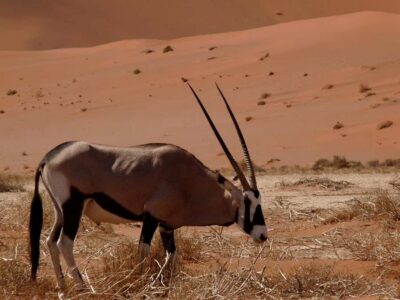
What you can realistically hope to see includes the usual suspects like springboks and zebras, plus the smaller and more local surprises such as black-faced impala, which is endemic to Namibia, and dik-diks, known for being the smallest African antelope. When a trip explicitly names species like that, it often signals the guide is aiming for more than generic “we drove around” time.
Then you add Okaukuejo waterhole. It’s 1 hour and it’s not included in admission, but it’s one of those places people talk about for a reason. In the dry season, animals gather to drink, which concentrates your chances. There’s also a viewing platform nearby, and that’s useful because you can watch activity from a safe, designed viewpoint.
Practical tip for this day: if you’re sensitive to heat, bring a light layer for mornings and evening, and stay hydrated early. In Etosha, you spend time waiting, then suddenly everything happens at once.
Himba at Ozohere and Otjikandero: culture time you should treat with care

This trip doesn’t treat culture stops like quick photo breaks. You’ll spend time with Himba communities at Ozohere and again at Otjikandero Himba Orphan Village. Ozohere is listed at about 2 hours, and the orphan village stop is about 2 hours with admission included.
What matters here is that the descriptions point to the fundamentals: the Himba are known for red ochre body paint and elaborate jewelry, and their lifestyle is semi-nomadic with cattle herding and traditional circular homes. When you see those elements described clearly, it helps you show up with a better mindset, you’re not just looking at costumes. You’re learning about choices shaped by environment and generations.
Also, the orphan village framing is significant. You’re spending time in a place tied to community support and continuity, so act respectful and keep expectations grounded. If you want to take photos, ask first, and don’t treat people like a backdrop.
Damara Living Museum: one more layer of Indigenous Namibia

After Himba, you also visit the Damara Living Museum, about 2 hours and free. This is a structured cultural stop focused on traditions like dances, hunting techniques, and home building.
The practical value for you is context. When you do more than one culture stop in a row, the differences become easier to see. You also get a better handle on how diverse Namibia’s Indigenous communities are, even when they’re both centered on heritage and daily living.
Twyfelfontein in the afternoon: UNESCO rock art with the “Doubtful Fountain” idea

On Day 4, you go to Twyfelfontein in the afternoon for about 2 hours, and it’s admission included. This is UNESCO-listed rock art, famous for its concentration of engravings and rock paintings.
The name itself is a good clue for the setting: Twyfelfontein translates to Doubtful Fountain in Afrikaans, linked to an unreliable water source in the area. That detail matters because it reminds you this is a landscape shaped by scarcity. People create art where they understand the rhythm of survival.
Here’s what I’d do when you arrive: slow down, read the explanations if provided, and don’t rush the carvings. Rock art often rewards patience, and a good guide can help you see what is being communicated rather than just noticing shapes.
Swakopmund Jetty and the coast day: German-style town energy, with downtime built in

Day 5 is anchored around Swakopmund Jetty for a long block of time, listed at 12 hours, with free admission. Swakopmund is a coastal town with German colonial architecture, plus a mix of ocean scenery and desert proximity.
That 12-hour window is important for two reasons. First, you can actually breathe, not just run from one stop to the next. Second, Swakopmund is a place where you’ll likely want time to wander and reset before the desert push.
There’s also a stop for the Zeila Shipwreck for about 30 minutes, free. It’s a historic shipwreck site off the Namibian coast, and it’s a magnet for divers and maritime history lovers. Even if you are not diving, it’s the kind of stop that shifts your attention from dunes back to sea stories.
Walvis Bay Waterfront sea walk: boat time, champagne, and lunch that makes it worth it
Day 6 brings you to the Walvis Bay Waterfront for a sea walk experience. It’s listed for about 3 hours, and it’s admission included. The description also mentions a boat cruise plus champagne and a great lunch.
This is one of the days where the included food and included experience feel like real value, because it’s not just sightseeing from land. It’s built around doing something, and you get comfort perks that keep the mood up when the weather and schedule are unpredictable.
Then you have Dune 7, about 2 hours, but not included. Dune 7 is known for its height, around 383 meters. If you want the big-dune photo moment or sand time, this is the optional add-on that most travelers will compare to other dune opportunities later. If you skip it, you’re not losing the core of the trip, but if you love dunes, it’s hard to pass up.
Day 7 geographic stops: Kuiseb Pass, Tropic of Capricorn sign, and Solitaire
Day 7 is shorter, and that’s a good thing because you start easing into the Namib Desert days. You’ll stop at Kuiseb Pass for about 30 minutes, then see the Tropic of Capricorn sign for about 10 minutes, and then make a quick stop at Solitaire for about 30 minutes.
Kuiseb Pass is carved by the Kuiseb River through the desert terrain. The Namib Desert is one of the oldest and driest deserts in the world, so even quick viewpoints can feel like a time machine when you look at how sparse everything is.
The Tropic of Capricorn stop is brief, but it’s a nice mental anchor. You’re literally crossing a line of latitude that’s common on globes, yet it feels different when you stand in the desert heat. Solitaire is mainly a rest and refuel moment, a classic stopover point in the Namib touring loop.
Sossusvlei, Deadvlei, Dune 45, and Sesriem Canyon: the Namib Desert day that drives the photos
Day 8 is the big Namib showcase. It starts with Sossusvlei for about 3 hours, free admission. Then you do Deadvlei for about 2 hours, with admission included, followed by Dune 45 for about 1 hour, also included. The day ends at Sesriem Canyon for about 1 hour, included.
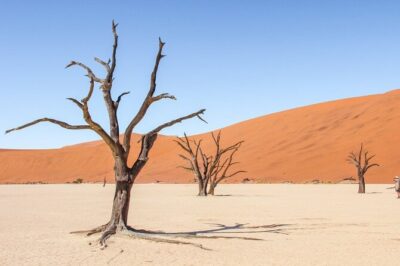
Why this works: these stops form a clear visual progression. Sossusvlei gives you the scale of the dunes. Deadvlei adds the contrast and surreal feel, since it’s known for that eerie dead-tree and pale pan look. Dune 45 is famous for its symmetrical shape, and it’s a favorite for photographers because of the way light and shadow play on the curves. Sesriem Canyon adds a geology finish, carved by the Tsauchab River over millions of years.
This is also a day where timing and comfort matter more than people expect. Even if the walking is not listed as long, desert mornings and midday heat change how you feel. Bring water and plan to move at a steady pace rather than racing for the perfect shot.
Day 9 shifting gears: from Namib dunes to Kalahari red sand
On Day 9, you head toward the Kalahari Desert. The stop list mentions Sossusvlei again for about 3 hours with free admission, then the road trip to the Kalahari with red dunes described as the unique feature.
This day is valuable because it breaks the “only Namib” pattern. You see two desert personalities back to back: Namib’s age and stark emptiness, then the Kalahari’s red dune look and broader open feel. Even without additional named attractions listed, the contrast itself is the point.
If you’re the kind of traveler who loves comparisons, this is the day to slow down mentally. Ask your guide to point out what looks similar and what changes as you shift regions.
Day 10 Windhoek with the National Museum: a clean historical close
You wrap the trip in Windhoek with the National Museum of Namibia for about 1 hour, free. It focuses on Namibian history.
This is a smart finish because it brings your earlier cultural stops into a larger frame. You’ve seen people, rock art, and the effects of geography on survival. A museum stop is how you stitch those experiences into a bigger understanding instead of leaving with only images.
Then you return to the meeting point in Windhoek, so the trip ends where it started, no extra complications.
Price and value: what $4,842.28 covers and what you might still pay
At $4,842.28 per person for a roughly 10-day trip, you’re paying for a lot more than transport. You’re paying for a guided setup, fuel surcharge coverage, parking fees, and a schedule that hits major sites.
You also get meaningful meal inclusions: breakfast (9) and dinner (7) are included. That is not a small perk in Namibia, where eating well on the road can eat into your budget quickly. You’ll still want lunch planning on some days based on what’s included, but the included meals reduce decision fatigue.
What is not included:
- GST (Goods and Services Tax)
- restroom on board
- WiFi on board
And a few listed activities are not explicitly included in admission, such as Okaukuejo waterhole and Dune 7. The good news is many other stops are marked free or admission included, so you’re not nickel-and-diming constantly.
Also consider what you value. If you care most about wildlife and culture, this itinerary delivers. If you’re chasing a “relax every day” vibe, the packed schedule might feel intense.
Who should book this guided lodge-style Namibia tour
This tour suits you best if:
- You want both wildlife and culture, not just one theme.
- You like structured sightseeing with a guide, especially with someone as praised as Basile for professionalism and knowledge.
- You’re comfortable with a faster pace between Etosha, coast stops, and desert days.
It might be less ideal if you hate long days on the road. The itinerary moves, and even when a day has downtime built in, the overall rhythm is still active.
It’s also a good fit for a private group. If you’re traveling with friends, family, or you just prefer your own space for asking questions, private pacing helps the whole experience feel smoother.
Should you book Motema Tours and Safaris Namibia?
I’d book this if you want a well-structured Namibia sampler that still gives real time at the major anchors: Etosha, Himba cultural stops, Twyfelfontein, Swakopmund and Walvis Bay, and the classic Namib Desert sequence of Sossusvlei, Deadvlei, Dune 45, and Sesriem Canyon.
I’d think twice if you’re the type who needs lots of unscheduled time, or if you’re sensitive to heat and long driving days. This trip is built to cover distance and deliver highlights, and you should match that energy.
If you book, do two things: come with flexible expectations for wildlife, and give your guide room to steer you. In a country like Namibia, those small choices are what turn a checklist into a trip you remember.
FAQ
What is the duration of the tour?
The tour runs for 10 days (approx.).
Where does the tour start and end?
It starts at Windhoek Central, Windhoek, Namibia at 8:30 am and ends back at the same meeting point.
Is pickup included?
Pickup is offered.
Is this a private tour?
Yes. It’s listed as a private tour/activity with only your group.
What’s included in the tour price?
Fuel surcharge, parking fees, breakfast (9), and dinner (7) are included.
What is not included?
GST (Goods and Services Tax), restroom on board, and WiFi on board are not included.
Do I need tickets for the stops?
Many listed stops are marked free or admission included. Some specific items, like Okaukuejo waterhole and Dune 7, are marked as not included.
What is the cancellation policy?
You can cancel for a full refund up to 24 hours before the experience’s start time. If it’s canceled due to poor weather, you’ll be offered a different date or a full refund.
Guided Days, More Choices
- 10-Day Namibia Highlights Guided Tour from Windhoek★ 5.0 · 78 reviews
- Namibia Self-Driving Audio Guide (in English & German)★ 4.7 · 57 reviews
- Private Guided Walking Tour with the San in Windhoek★ 5.0 · 20 reviews
- 3 Days Amazing Red Dunes of Sossusvlei | Private Guided Tour★ 5.0 · 10 reviews
- From Windhoek: Budget Sossusvlei Guided 2-Day Tour★ 4.9 · 9 reviews
More Namibia Reviews
- Windhoek: City and Township Tour★ 4.8 · 430 reviews
- Half-Day Windhoek City and Township Cultural Tour★ 4.5 · 187 reviews
- Windhoek: Bushman Walk with the San★ 4.9 · 145 reviews
- 6-Day Dunes and Wildlife Accommodated Safari from Windhoek★ 5.0 · 123 reviews
- Windhoek City Tour★ 5.0 · 113 reviews
Other Namibia trips from our own write-ups


Guided, all of them.
 ★ 5.0Sandwich Harbour 4×4 guided tours.Join us for an awe inspiring adventure.From $143154 reviews
 ★ 5.010-Day Namibia Highlights Guided Tour from WindhoekFrom $3,11178 reviews
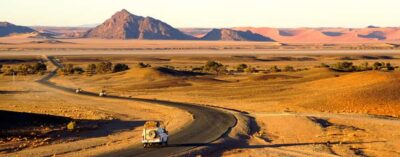 ★ 4.7Namibia Self-Driving Audio Guide (in English & German)From $2957 reviews
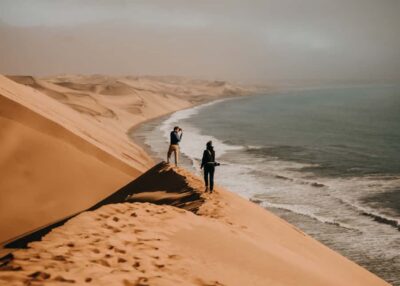 ★ 4.9Sandwich Harbour 4×4 Guided TourFrom $18055 reviews
 ★ 5.0Sandwich Harbour- Guided Self-Drive Tour from Walvis BayFrom $37345 reviews
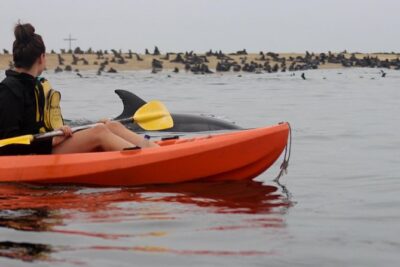 ★ 5.0Kayaking and Sandwich Habour Guided Day Tour from Walvis BayFrom $27639 reviews
 ★ 5.0Exhilarating Sandwich Harbour 4×4: Guided Self drive experienceFrom $17335 reviews
 ★ 5.0Private Guided Walking Tour with the San in WindhoekFrom $3820 reviews