
REVIEW · WINDHOEK CITY SIGHTSEEING
Windhoek City Tour
Windhoek clicks into place fast. This small-group tour gives you a guided overview of Namibia’s capital with a strong mix of Lutheran landmarks, colonial-era fort history, and local neighborhood time, including a stop at Penduka. I especially like how the guide talks through what you’re seeing, not just where it is, and how the route balances central-city sights with a township visit and street-food moment. One watch-out: some places may be closed or you may have limited time inside depending on what’s open that day.
For roughly three hours on the clock, you still get meaningful variety, and it stays relaxed with a maximum group size of 7. Pickup is available if you choose it, and the tour runs on a mobile ticket, so you can keep your planning stress low.
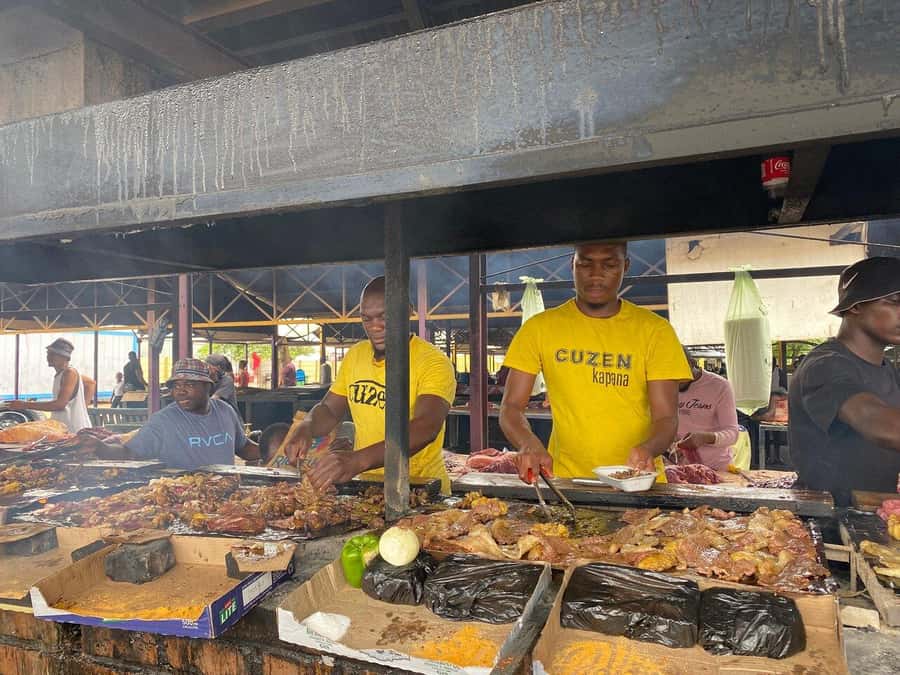
If you’re lucky, you’ll get one of the standout local guides I’ve seen credited again and again, like Petrus, Petros, Emmanuel, or Esther. And yes, you’ll have a chance to sample local food, including kapana for some people, because this is Windhoek, not just a photo stop.
In This Review
- Key highlights you’ll actually feel during the tour
- How this Windhoek city tour earns its low price
- Christuskirche: the first landmark that sets the tone
- Parliament Gardens at Tintenpalast: where politics becomes tangible
- The National Museum stop: making time for artifacts you can’t guess
- Alte Feste: Windhoek’s earliest building, with a German army connection
- Katutura: the market visit where the city feels real
- Penduka Village: crafts, souvenirs, and women’s empowerment projects
- Guides make the difference, and the names you’ll hear are strong
- Price and logistics: when this tour fits best
- Practical tips to make the most of every stop
- Should you book the Windhoek City Tour?
- FAQ
- Is hotel pickup available?
- How long is the Windhoek City Tour?
- What stops are included during the tour?
- What is the group size limit?
- Is admission included for the major stops?
- Are snacks included?
- What happens if the weather is bad?
- What is the cancellation policy?
Key highlights you’ll actually feel during the tour
- Short stops, clear explanations so you don’t wander confused around big landmarks
- German-era Windhoek sights like Alte Feste and the colonial power-story they represent
- Katutura market time that helps you meet everyday life in the city, not only the center
- Penduka NGO visit where crafts connect to women’s empowerment and family support
- Up to 7 people meaning you get more back-and-forth with the guide
- Hotel pickup option if you want the day to run on rails
Other half days spent looking around Windhoek
How this Windhoek city tour earns its low price
At about $37.38 per person for a three-hour outing, this tour is priced like a practical add-on, not a big production. What makes it feel like good value is that it bundles several things people usually pay for separately in Africa travel: guided interpretation, transportation between parts of town, and some snacks.
You also benefit from the structure. Free-entry stops are part of the plan for key sights, so your money goes toward the experience itself, not constant ticket lines. The tour also offers hotel pickup and drop-off if you pick that option, which matters in Windhoek because moving between districts can eat time.
Also, it’s scheduled to work as a first-day orientation. Windhoek can feel a bit spread out, and this is a fast way to get your bearings, learn the big historical threads, and understand where residents live and gather.
The small group size of up to 7 is not a “nice to have,” it changes how the day feels. You’re more likely to get your questions answered and less likely to be rushed through photos. In the reviews, guides like Petrus, Emmanuel, and Esther are repeatedly praised for being friendly and patient, so the vibe tends to be calm and interactive.
Christuskirche: the first landmark that sets the tone
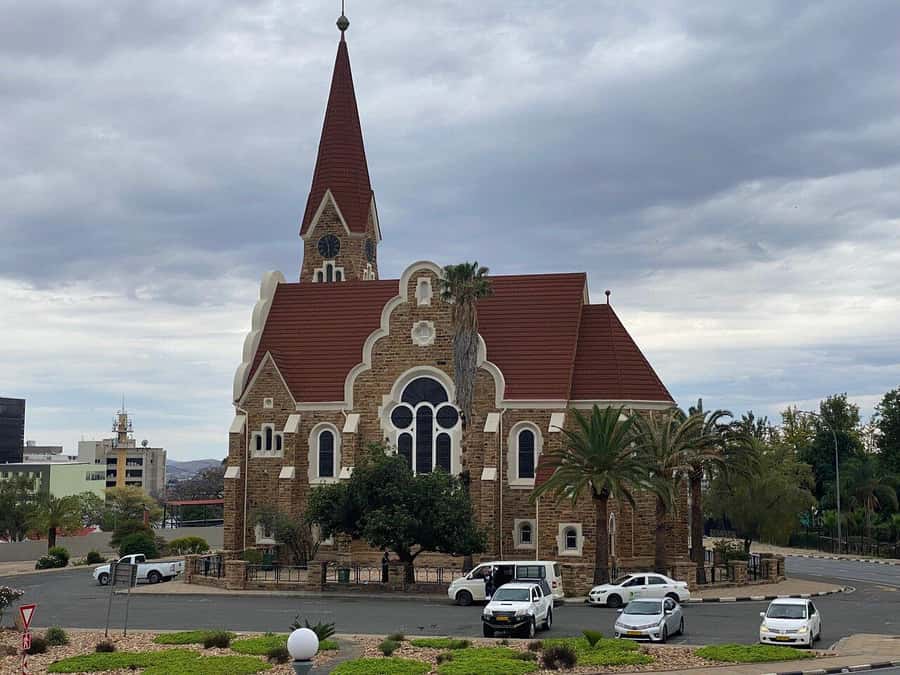
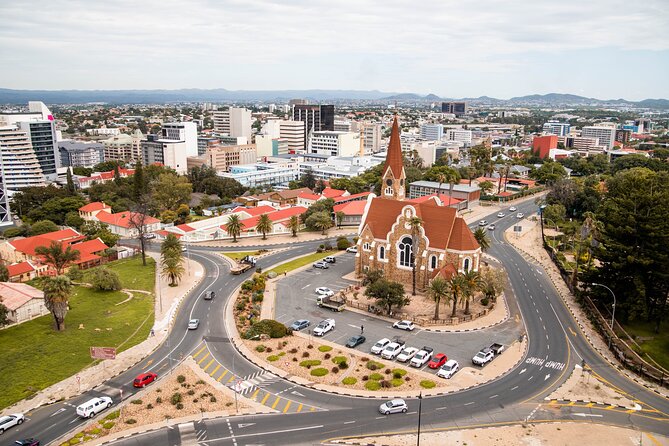
The tour begins at Christuskirche, a Lutheran church in central Windhoek. It’s one of the city’s recognizable landmarks, and the main value here is context: the guide explains the church’s history, not just the architecture.
You typically get about 15 minutes here, with admission free. The plan includes time to look around outside, and if timing allows, you can also try to look inside. That timing bit is important. If you arrive during a closed window or the church isn’t accessible, you’ll still get the historical story, but you may not get the full interior look you had hoped for.
Practical tip: if you want to go inside, dress as if you’re entering a church. Windhoek is not overly strict compared to some places, but it’s still a worship space, and respectful clothing is the easiest win.
Parliament Gardens at Tintenpalast: where politics becomes tangible
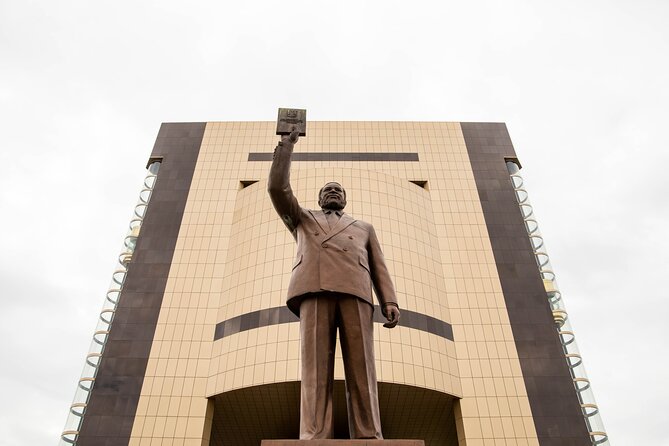
Next up is Parliament Gardens, set at the base of Namibia’s Parliament Building, the Tintenpalast. This stop is short, around 20 minutes, and admission is free.
What I like about this kind of city-center garden stop is that it turns a government building into something human-scale. You’re not just staring at architecture. You learn about iconic figures linked to Namibia’s independence and you get a sense of the current political processes shaping modern Namibia.
Even if you’re not a political-history person, you’ll likely walk away with clearer mental pictures. In a half-day tour like this, that’s the goal: give you words you can use later when you hear names, anniversaries, or political references in everyday conversation.
Bring water if it’s warm. Gardens are nice, but in Windhoek you can feel the sun quickly, even when you’re moving between short stops.
Other town days in Namibia
- Windhoek: Katutura Township and City Walking Tour
★ 4.7 · 15 reviews - City Tour of Windhoek Namibia
★ 4.5 · 9 reviews - Windhoek City Tour
★ 3.5 · 7 reviews - Windhoek: City & Township tour. Vehicle, guide, kapana
★ 4.2 · 4 reviews
The National Museum stop: making time for artifacts you can’t guess
A recent addition to Windhoek’s skyline on this route is the National Museum of Namibia. This stop matters because it bridges the “what you saw outside” feeling with objects and timelines that explain the bigger picture.
The details provided for this stop don’t include a specific duration or admission info, so treat it as a flexible segment of the day. That’s normal for guided city tours. The guide will decide how much time you need based on how the group is doing, and how your questions are going.
If you only have a short time in Windhoek, this museum stop is a smart choice. It helps you connect the colonial-era sites you’ll see later, including military-linked places like Alte Feste, to the broader story of Namibia from colonial periods to modern day.
Alte Feste: Windhoek’s earliest building, with a German army connection
Alte Feste, often described as Windhoek’s very first building, is next. It’s tied to the German army, which used it to defend their hold on the city. In later years it stood as a museum, but on this route it may stand empty, though the history is still part of why you’re there.
You get about 10 minutes, with free admission noted. That short timing is a fair trade. This is not a long museum day, and the tour’s strength is that it gives you just enough to understand why the place matters.
Here’s the main thing you’ll want from Alte Feste: a clear explanation of how colonial control shaped city space, and how those older structures fit into Windhoek’s modern layout. Even if you can’t go inside, you’ll likely appreciate the location and the story the guide provides.
Photo tip: if the building is accessible from outside, get a few angles quickly. Light can shift fast, and you might not have much time to redo shots later.
Katutura: the market visit where the city feels real
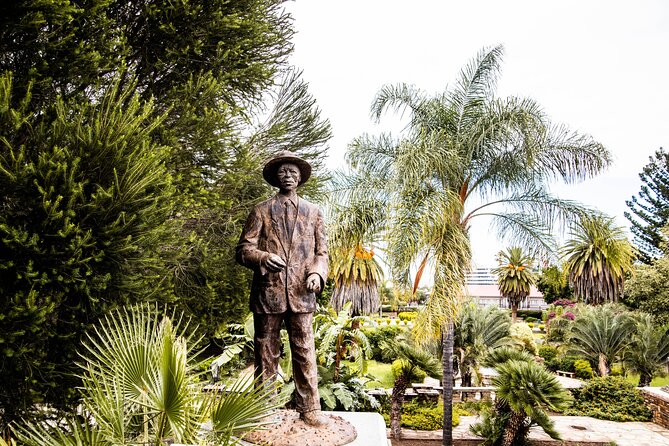
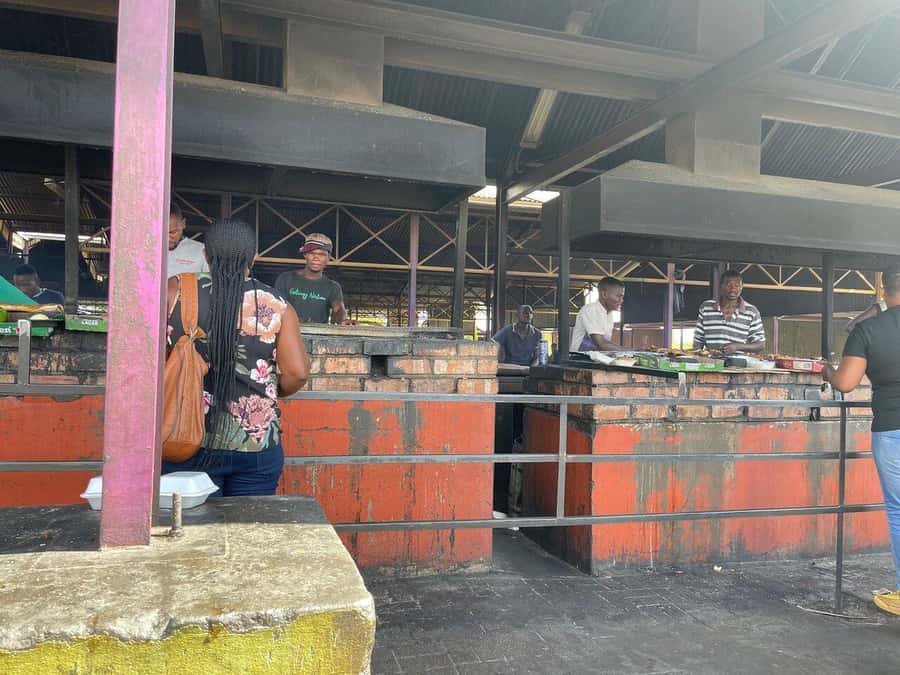
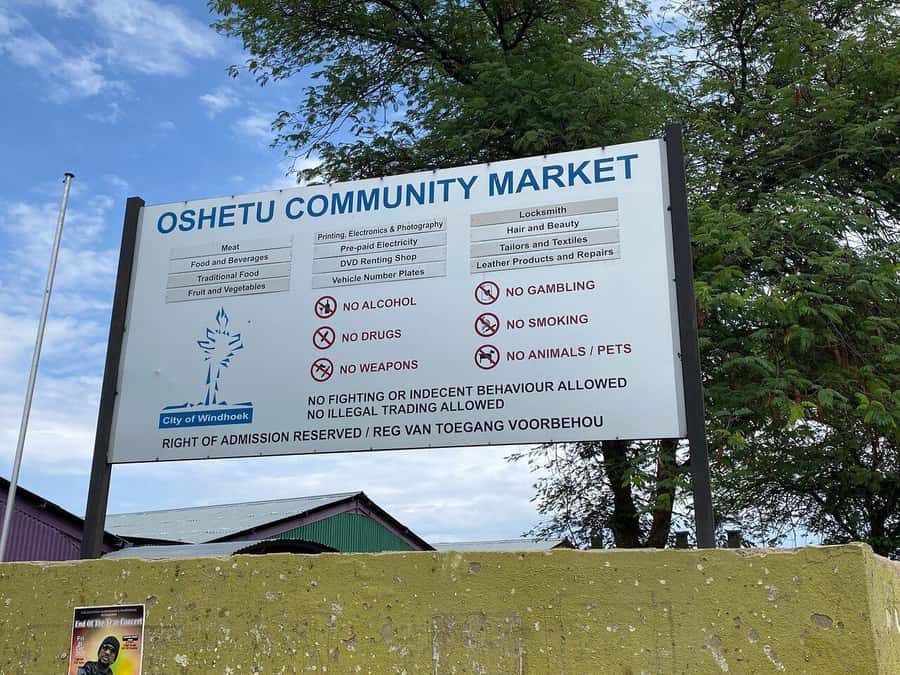
Then comes Katutura, the township area, with about an hour on the ground. This is one of the most important segments of the tour because it’s where Windhoek stops being only monuments and becomes everyday life.
You’ll visit the local market and meet local people. The admission for this stop is listed as free. The practical win is that you get time to actually browse and interact, not just drive past.
Respect matters here. You’re in someone’s community, so keep your questions thoughtful, avoid photographing people without permission, and buy small things if you want to support the market. The guide is there for translation and context, so use them. If you’re unsure about what’s appropriate, ask.
What makes this stop especially valuable is the emotional range it offers. Many people walk into a tour expecting history photos, but Katutura gives you context for how people live now, not just how the past looked. In the reviews, guides like Emmanuel and Petrus are singled out for making Katutura feel approachable and meaningful, including market time.
One caution: a market visit is time-sensitive. A full hour sounds generous until you start comparing goods or talking to sellers. If you want to do more shopping, plan to show up hungry for conversation and bring smaller cash if you can, since that can make purchases smoother. (Specific payment details are not provided, so don’t assume any one method.)
Penduka Village: crafts, souvenirs, and women’s empowerment projects
The tour ends at Penduka Village, a craft project designed to uplift and inspire local women to support themselves and their families. This stop is about 30 minutes, admission free.
This is the moment where your experience becomes something you can take home. Buying a souvenir here is not just a purchase. It’s a way to support the work tied to the project’s purpose.
If you’re the type who prefers meaningful shopping, Penduka is a great fit. You can look at craft items, ask questions, and choose something practical as a gift. The time limit means you’ll want to decide without overthinking, but 30 minutes is usually enough to browse and pick one or two items.
Practical tip: check sizes and materials before you leave. Many craft pieces can be delicate, and you’ll likely be traveling after Windhoek, so quick handling checks save headaches later.
Guides make the difference, and the names you’ll hear are strong
This is a guided tour, and the guide quality shows up again and again in the feedback. People highlight that guides like Petrus and Petros are friendly and patient, answer questions well, and manage time so they complete the route smoothly in about three and a half hours.
Emmanuel is also mentioned as an excellent guide, especially for making Katutura feel touching and grounded. Esther is referenced in at least one account alongside Petrus, which suggests the tour can pair guests with different guides depending on scheduling.
Here’s what that means for you: you’re not just riding in a vehicle and hearing a script. You should expect real conversation. If you care about history, you’ll likely get it. If you care about how people live now, you’ll also get that angle. And if you’re curious but unsure what to ask, guides like these tend to respond with clear examples instead of vague statements.
Price and logistics: when this tour fits best
Let’s talk value in a real way. For about $37.38, you’re getting:
- a guided city overview in about three hours
- time in central landmarks and a museum stop
- an hour in Katutura with market time
- a structured final stop at Penduka
- snacks included, plus a chance to try local food
For travelers who want a strong “first contact” day in Windhoek, this format makes sense. It’s short enough that you can still do other activities the same day, but packed enough that you won’t feel like you just skimmed the surface.
It also helps if you prefer planning simplicity. Pickup can be included if you select it, and the tour uses a mobile ticket. That reduces the hassle of paper tickets and last-minute coordination.
One more logistic detail you should care about: the tour is listed as requiring good weather. If weather turns, you may be offered another date or a refund. Windhoek weather can shift, so bring a light layer and be ready to adapt your plans.
Practical tips to make the most of every stop
You’ll get the best day if you go in with a few mindset tweaks.
First, treat this as orientation, not a slow travel day. With brief stops like 10 to 20 minutes, the goal is learning the story behind places, then moving on.
Second, plan for comfort.
- Wear shoes that handle walking around churches and market areas.
- Bring sun protection. Even short outdoor stops add up fast.
- Keep your daypack light. You’ll be shopping at Penduka.
Third, use the guide.
If you want the independence-era context at Parliament Gardens explained clearly, this is the time. If you want to understand why Alte Feste is tied to the German army, ask when you’re there. Good guides like Petrus and Emmanuel are known for answering questions and giving relevant examples.
Finally, if you have a specific interest, say it early. The tour is built to cover both colonial-era landmarks and everyday life in Katutura. If you share what you care about most, you’re more likely to get tailored conversation during transitions.
Should you book the Windhoek City Tour?
Book it if:
- you want a first-day introduction to Windhoek that covers both center-city landmarks and Katutura
- you like guided storytelling that connects sites to Namibia’s independence and modern reality
- you want a short outing that still includes market time and Penduka crafts
- you’d rather pay for structure than spend your limited time figuring out routes on your own
Skip or think twice if:
- you prefer long museum time and extended browsing. This tour is timed for a lot of variety, so each stop is relatively short.
- you need guaranteed interior access to every location. Some sites may not be open when you arrive, and the schedule can be weather dependent.
If you’re visiting Windhoek as part of a wider Namibia trip, this tour is a smart, cost-friendly way to get local context fast. You end the day with souvenirs, food memories, and a clearer sense of how Windhoek’s past and present sit side by side.
FAQ
Is hotel pickup available?
Hotel pickup and drop-off is available if you select that option for the tour in Windhoek.
How long is the Windhoek City Tour?
The tour duration is about 3 hours.
What stops are included during the tour?
You’ll visit Christuskirche, Parliament Gardens, Alte Feste, Katutura (including a local market), and Penduka Village. The National Museum of Namibia is also included as a stop.
What is the group size limit?
The tour has a maximum of 7 travelers.
Is admission included for the major stops?
Admission is listed as free for Christuskirche, Parliament Gardens, Alte Feste, and Penduka Village. The National Museum stop is included, but admission details are not specified here.
Are snacks included?
Yes, snacks are included, and the tour includes time to try local food.
What happens if the weather is bad?
This experience requires good weather. If it is canceled due to poor weather, you’ll be offered a different date or a full refund.
What is the cancellation policy?
You can cancel for a full refund up to 24 hours before the experience start time. If you cancel less than 24 hours before, the amount you paid will not be refunded.
More Trips Across Namibia
- Windhoek: City and Township Tour★ 4.8 · 430 reviews
- Half-Day Windhoek City and Township Cultural Tour★ 4.5 · 187 reviews
- 10-Day Namibia Highlights Guided Tour from Windhoek★ 5.0 · 78 reviews
- 11 Days Small Group Namibia Experience Fully Accommodated Tour★ 5.0 · 31 reviews
- Windhoek: City Tour★ 4.8 · 31 reviews
More Namibia Reviews
- Windhoek: City and Township Tour★ 4.8 · 430 reviews
- Half-Day Windhoek City and Township Cultural Tour★ 4.5 · 187 reviews
- Windhoek: Bushman Walk with the San★ 4.9 · 145 reviews
- 6-Day Dunes and Wildlife Accommodated Safari from Windhoek★ 5.0 · 123 reviews
- 10-Day Namibia Highlights Guided Tour from Windhoek★ 5.0 · 78 reviews
Windhoek in a Morning
- Windhoek: City and Township Tour★ 4.8 · 430 reviews
- Half-Day Windhoek City and Township Cultural Tour★ 4.5 · 187 reviews
- Windhoek: City Tour★ 4.8 · 31 reviews
- Best City Tour of Windhoek★ 4.0 · 10 reviews
- City Tour of Windhoek Namibia★ 4.5 · 9 reviews
Other Namibia trips from our own write-ups


Windhoek City Sightseeing, all of them.
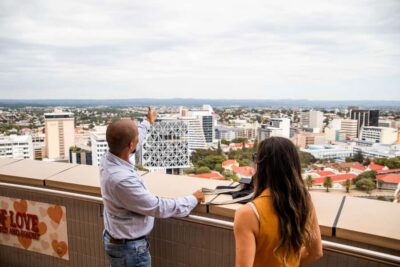 ★ 4.8City and Township TourFrom $40430 reviews
 ★ 4.5Half-Day Windhoek City and Township Cultural TourFrom $37187 reviews
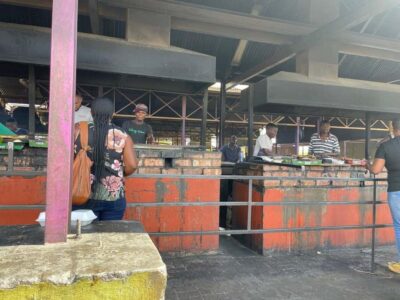 ★ 4.8City TourFrom $3531 reviews
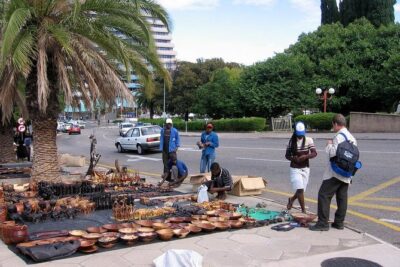 ★ 4.0Best City Tour of WindhoekFrom $5510 reviews
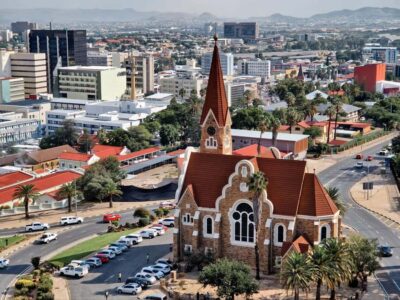 ★ 4.5City Tour of Windhoek NamibiaFrom $849 reviews
★ 3.5Windhoek City TourFrom $487 reviews
★ 4.5City Tour of Windhoek NamibiaFrom $849 reviews
★ 3.5Windhoek City TourFrom $487 reviews
 ★ 4.2City & Township tour. Vehicle, guide, kapanaFrom $654 reviews
This tour also turns up in