
REVIEW · WINDHOEK WILDLIFE SANCTUARIES
Windhoek : Cheetah walk Experience
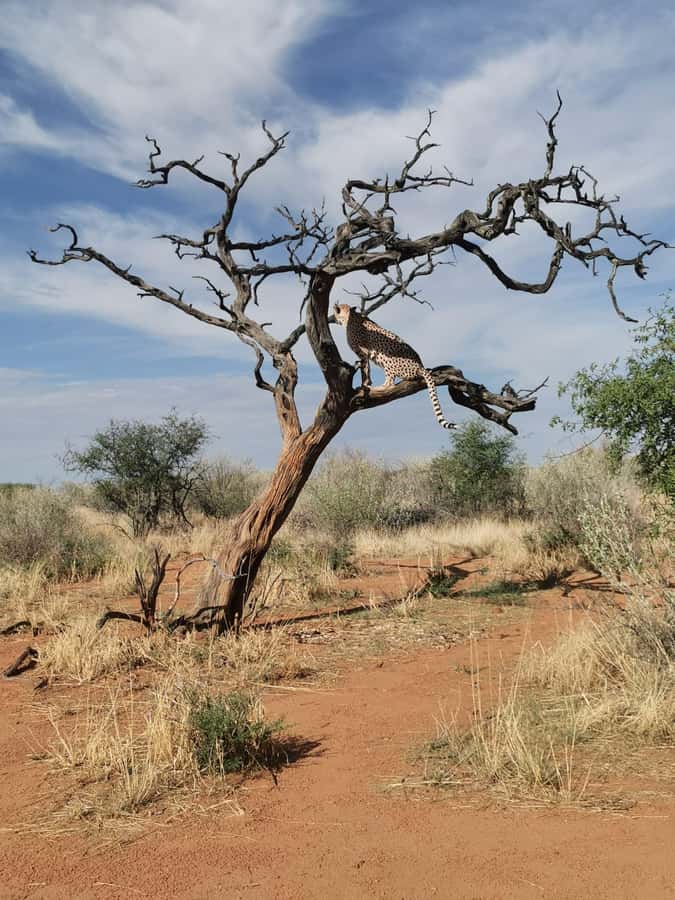
Cheetahs up close are pure Namibia magic. This Windhoek trip takes you to N/a’an ku sê for a guided encounter with habituated cheetahs, with education tied directly to conservation. I especially like the animal-first approach and the way guides explain details like the cheetahs tear lines and why they matter for hunting in bright conditions.
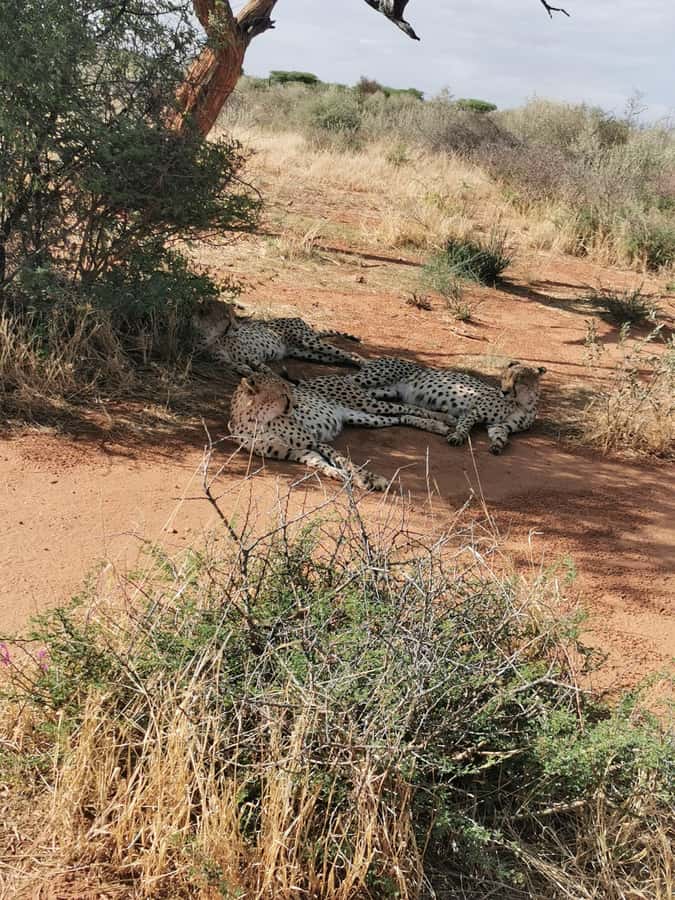
One key consideration: this is not a show where the cheetahs perform on schedule. The cats may choose to walk around, lay down, rest, or even run off, so you should come ready to observe what happens in the moment.
In This Review
- Key Things That Make This Cheetah Walk Worth Your Time
- Morning Start in Windhoek, Then Straight to Khomas
- Arriving at N/a’an ku sê: Where Conservation Drives the Visit
- The 90-Minute Cheetah Experience With Habituated Cats
- What You Can Learn From the Cheetahs, Without Needing a Wildlife Degree
- Rules and Practical Reality: You Can Get Close, But You Stay in Your Lane
- Group Size and Why It Changes the Entire Feel
- Transportation and Timing: What the Windhoek Pickup Really Means
- Price and Value: How to Think About $280 per Person
- Who This Tour Suits Best (And Who Might Be Disappointed)
- The Bottom Line: Should You Book This Cheetah Walk in Windhoek?
- FAQ
- Where does the tour pick up in Windhoek?
- How long is the cheetah experience?
- What time does the activity run?
- How big is the group?
- Is the tour suitable for children?
- What language is the tour guide?
- What should I bring?
- What is not allowed during the experience?
- Is transportation included?
- Can I cancel and pay later?
- Is there a minimum number of participants?
Key Things That Make This Cheetah Walk Worth Your Time
- Small group of up to 8 people: fewer distractions, less stress for the cats, and more time for Q&A.
- Habituated cheetahs at N/a’an ku sê: you get close without treating the experience like a circus.
- A real conservation focus: you’ll learn about the N/a’an ku sê Foundation and why the program matters.
- Fastest land animal on Earth, up close: you can study their bodies and behavior in real time.
- English guide and pickup from central Windhoek: the planning load stays low, especially for a short stay.
- Strict rules you must follow: no drones, no alcohol or drugs, and you bring closed-toe shoes.
Other sanctuary visits on the farms outside Windhoek
Morning Start in Windhoek, Then Straight to Khomas
This experience is built around a morning departure. The day runs daily at 08:00, and you’re picked up earlier from Windhoek, with the tour leaving Windhoek at 6 am. Practically, that means you’re out the door early enough to feel like you’re doing something substantial, not just “sleep in and rush later.”
Pickup is convenient and specific. You’ll be collected from Windhoek Central, and there are also defined hotel pickup points. For example, at Hilton Windhoek you wait near the main lobby entrance on Independence Avenue. At Avani Windhoek Hotel & Casino, pickup is at the front entrance on Gustav Voigts Centre. The Safari Hotel uses the circular driveway in front of the main reception area. If you’re staying at Windhoek Luxury Suites or Am Weinberg Boutique Hotel, you wait at the reception area or gated entrance, and with Hotel Heinitzburg it’s best to wait near the main reception or front garden area since the driveway is compact.
Why I think the early start is a good thing: cheetah time is about conditions and calmer pacing. Going in the morning also helps you dodge the “half day wasted in traffic” problem. You’ll be in Khomas and ready for the sanctuary portion before the day gets heavy.
Arriving at N/a’an ku sê: Where Conservation Drives the Visit
N/a’an ku sê isn’t just a place to see animals. The whole point of your visit is learning about conservation, led by the sanctuary team and guides who explain what the N/a’an ku sê Foundation is doing.
That matters because a cheetah encounter can turn into a generic wildlife moment if it’s only about photos. Here, the conservation message gives the experience a spine. You’re not only watching a predator, you’re learning why this sanctuary exists and how habituation fits into their work.
During the 90-minute experience window, you’ll get a guided sanctuary tour that’s focused on the cheetahs and what they do. Think of it as practical education, not a long lecture. It helps you connect what you’re seeing, like the cheetah’s physical traits and behavior choices, to a bigger picture of protecting wildlife and reducing human-wildlife conflict.
If you care about responsible animal tourism, this is the kind of program you want, because it gives you context while you’re still fresh and attentive.
The 90-Minute Cheetah Experience With Habituated Cats
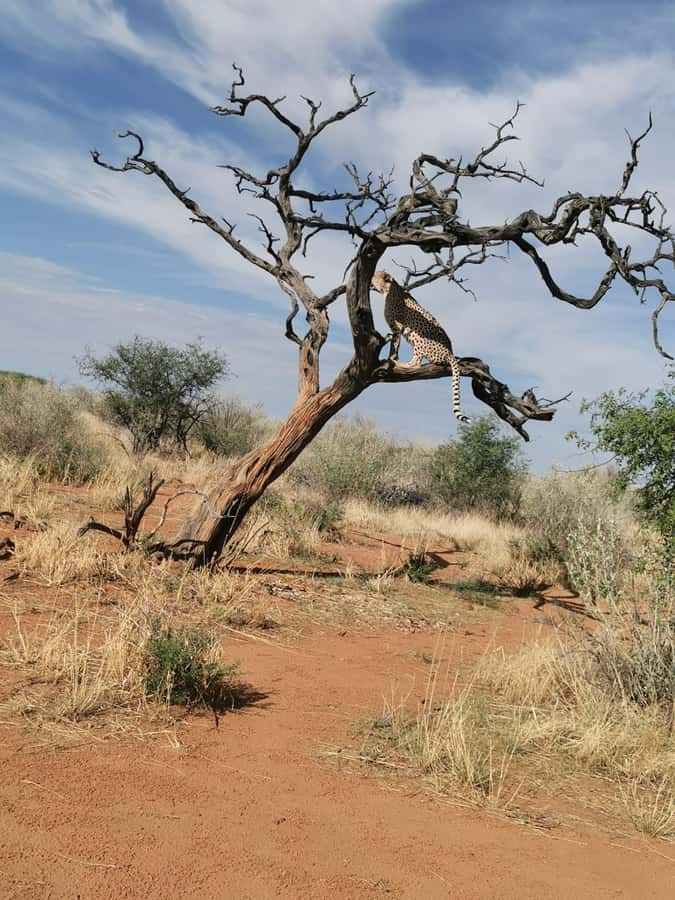
The centerpiece is the time you spend with habituated cheetahs. This is a special wording with an important meaning. Habituated cats are used to being around people in a controlled, managed way. That doesn’t mean they’re tame, and it definitely doesn’t mean the day turns into guaranteed cuddles or constant action.
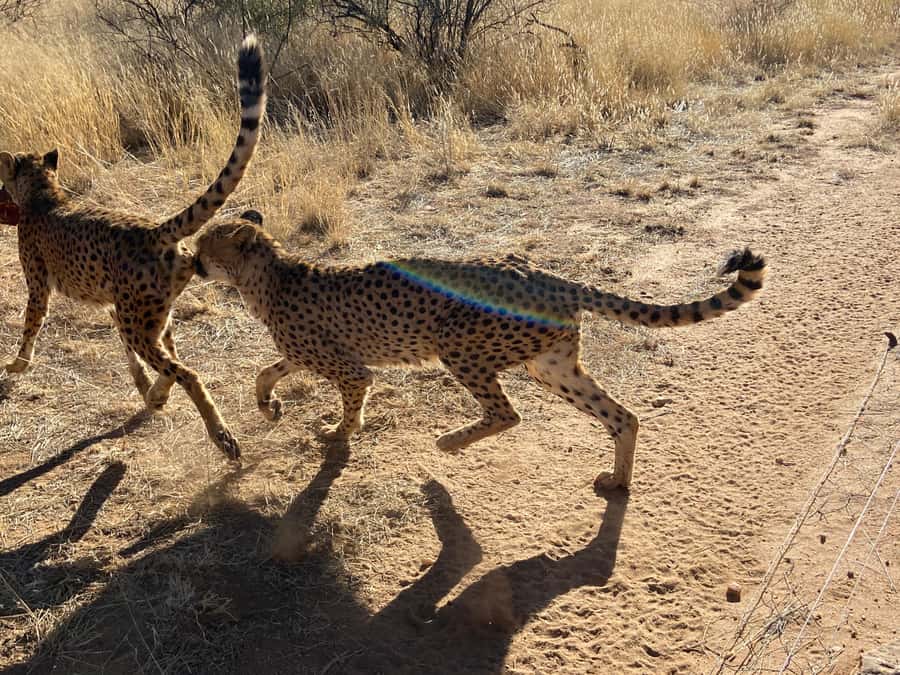
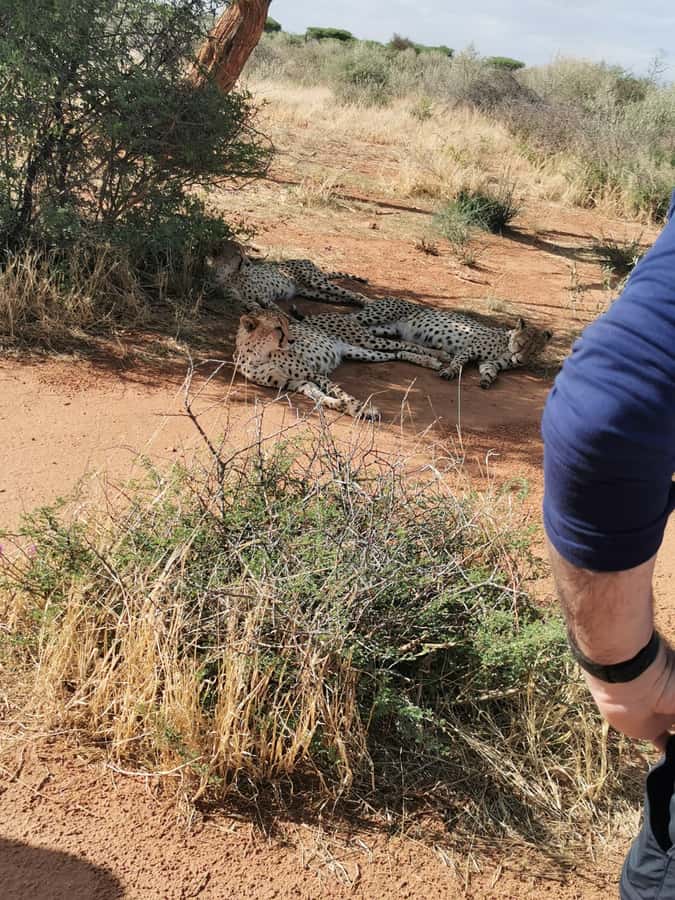
Here’s what you can expect in the best-case, real-world sense: you get up close and personal enough to notice the details that make cheetahs such fine hunters. You’ll see lithe bodies, amber eyes, and the characteristic black tear lines. The guide explanation of those tear lines is one of those small biological details that suddenly makes sense when you’re watching the cat in bright light.
You’ll also observe their habits and behavior as the cats move through the space. One of the most useful lessons is acceptance. The cheetahs might choose to walk around, lay down, rest, or run off. That can sound like a drawback if you’re imagining constant excitement. But if you go in expecting a real animal experience rather than a staged performance, the unpredictability becomes part of the authenticity.
One review highlighted that no petting and strict interaction rules apply, plus there are photo rules about humans in the images. Even without those details in your own mind, it’s smart to assume the sanctuary is protecting both the animals and the experience quality by keeping things regulated.
Other Namibian towns done on foot
- Windhoek: Bushman Walk with the San
★ 4.9 · 145 reviews - Private Guided Walking Tour with the San in Windhoek
★ 5.0 · 20 reviews - Windhoek: Katutura Township and City Walking Tour
★ 4.7 · 15 reviews
What You Can Learn From the Cheetahs, Without Needing a Wildlife Degree
This is one of those tours where the education improves your viewing. If you’ve ever watched animals and felt like you didn’t know what to look for, you’ll appreciate the structure here.
You’ll learn about:
- how the sanctuary frames cheetah conservation,
- what habituated behavior looks like day to day,
- and why specific physical features, like the tear lines, are linked to hunting efficiency.
The key is that the teaching is tied to what’s happening in front of you. Instead of only listening, you’re observing at close range while the guide provides context. That rhythm makes it easier to connect the dots.
Also, you’re not doing this solo. Your guide runs the encounter with clear direction. English is the live tour language, and the group stays small. In a small group, you can actually hear answers instead of just catching fragments over a crowd.
On that note, one guide name did stand out from past visitors: Matheus. The overall feedback about the guides is consistently positive, with people calling out how good the guidance feels. If Matheus is on your tour, you’re likely to get a friendly, helpful experience with explanations that keep you focused on the animals, not the logistics.
Rules and Practical Reality: You Can Get Close, But You Stay in Your Lane
This is the part I’d pay attention to before you book, because it affects expectations more than anything else.
First, there are clear limitations and behavior boundaries:
- No drones.
- No alcohol or drugs.
- Closed-toe shoes are required.
Second, the rules about human interaction matter. One review specifically noted there is no petting and that there are restrictions connected to photos, including that humans are not allowed in the cheetah pictures. Even if you personally don’t care about petting, those rules tell you something important: the sanctuary is actively managing human influence.
Third, the cheetahs control the tempo. You won’t be able to force a sprint, a walk, or a perfect moment for a shot. You can get close, but you still have to accept that wildlife moves according to its own priorities.
The practical takeaway: dress for the day, keep your body language calm, and focus on observing rather than chasing the perfect moment. If you do that, you’ll enjoy the slow, real side of it just as much as any “wow” moments.
Group Size and Why It Changes the Entire Feel
This tour caps the group at 8 participants. That’s a big deal for two reasons.
One, it keeps the cheetahs less stressed. A larger crowd means more noise, more movement, more repeated attention. Here, the small size supports a calmer environment.
Two, it helps you feel included. With fewer people, your guide can answer questions without turning the session into a rushed Q&A. You also get more space to stand and watch without constantly shuffling around.
The value of a small group becomes obvious during the downtime moments too. When the cheetahs rest or step away, you still want a group that isn’t pushing forward every few seconds. A small group makes it easier to let the moment breathe.
Transportation and Timing: What the Windhoek Pickup Really Means
The tour includes transportation from Windhoek and back, which removes a headache if you’re short on time or you’d rather not figure out logistics early in your trip.
From a practical standpoint, pickup points around central Windhoek reduce uncertainty. You don’t need to hunt for a meeting spot outside a hotel complex, and you don’t need to arrange your own transfer.
Timing also matters. Because the experience is linked to the daily 08:00 schedule, you’re joining a rhythm set by the sanctuary and operator. That reduces the chance you’ll arrive late or show up in a window that doesn’t work.
If you hate being rushed, the early 6 am departure might feel like a tradeoff. But if you’re okay with a morning start, the payoff is more real animal time rather than long waiting.
Price and Value: How to Think About $280 per Person
At $280 per person, this is not a budget outing. So the honest question is value: what do you get for the price?
You’re paying for:
- close encounters with habituated cheetahs,
- a guided sanctuary tour tied to conservation,
- transportation from Windhoek and back,
- refreshment,
- and a small group size that keeps the experience manageable.
You’re also paying for management and discipline. Strict rules, controlled human behavior, and limiting group size cost money. And those rules protect the animal experience, which is usually where the best sanctuaries spend their time and budget.
There is one pricing reality you should keep in mind. One past visitor suggested that booking directly might cost less. I can’t verify that from your tour data alone, but the advice is simple: if price is your biggest concern, compare third-party pricing to the sanctuary’s own channels before you commit.
If you value convenience, transport, and a well-run guide-led visit, $280 may feel fair. If you’re mainly trying to see cheetahs at the lowest cost possible, shopping around could make sense.
Who This Tour Suits Best (And Who Might Be Disappointed)
This experience is a strong fit for adults who want an authentic animal encounter and don’t mind that wildlife sets the pace.
It’s not suitable for children under 15, and children are not allowed to participate. So this is an adult-only outing by design.
You’ll likely love it if:
- you want an educational conservation component, not just a photo stop,
- you can handle animals resting or moving unpredictably,
- you want a small-group, guided structure,
- and you care about animal-first rules.
You might feel less happy if:
- you’re expecting a guaranteed interactive moment all the time (petting, constant action, posed photos),
- you’re traveling with kids, or
- you show up without comfortable closed-toe shoes and a calm mindset.
The Bottom Line: Should You Book This Cheetah Walk in Windhoek?
My take: if you’re in the Windhoek area and you want a real cheetah encounter tied to conservation, this is a solid booking. The small group size, the 90-minute structured visit, the English guide, and the focus on N/a’an ku sê Foundation work all point to an experience that respects the animals.
I’d book it if you can accept the “cheetahs do what cheetahs do” reality. The best moments here come from watching behavior up close, not from forcing an interaction.
If you’re unsure, do this quick self-check:
- Are you comfortable with rules and no petting?
- Can you handle downtime when the cats rest?
- Do you want education plus conservation context?
If yes, you’re likely to have one of the most memorable animal experiences in Namibia.
FAQ
Where does the tour pick up in Windhoek?
Pickup is available from Windhoek Central, plus specific hotel pickup points including Hilton Windhoek, Avani Windhoek Hotel & Casino, Safari Hotel, Windhoek Luxury Suites, Am Weinberg Boutique Hotel, and Hotel Heinitzburg.
How long is the cheetah experience?
The duration is 90 minutes, including a guided tour portion.
What time does the activity run?
It operates daily at 08:00, with departure from Windhoek at 6 am.
How big is the group?
The group is limited to a maximum of 8 participants.
Is the tour suitable for children?
Children are not allowed to participate, and the activity is not suitable for children under 15.
What language is the tour guide?
The live tour guide speaks English.
What should I bring?
You should bring closed-toe shoes.
What is not allowed during the experience?
Drones are not allowed, and alcohol and drugs are not allowed.
Is transportation included?
Yes. Transportation from Windhoek and back is included.
Can I cancel and pay later?
There is free cancellation up to 24 hours in advance for a full refund, and there is an option to reserve now and pay later.
Is there a minimum number of participants?
Yes, a minimum of 2 participants is required.
On Foot in Namibia
- Windhoek: Bushman Walk with the San★ 4.9 · 145 reviews
- Private Guided Walking Tour with the San in Windhoek★ 5.0 · 20 reviews
- Windhoek: Katutura Township and City Walking Tour★ 4.7 · 15 reviews
More Namibia Reviews
- Windhoek: City and Township Tour★ 4.8 · 430 reviews
- Half-Day Windhoek City and Township Cultural Tour★ 4.5 · 187 reviews
- Windhoek: Bushman Walk with the San★ 4.9 · 145 reviews
- 6-Day Dunes and Wildlife Accommodated Safari from Windhoek★ 5.0 · 123 reviews
- Windhoek City Tour★ 5.0 · 113 reviews
Cheetahs and Carnivores near Windhoek
- From Windhoek: Okapuka Safari Lodge Day Trip★ 4.4 · 20 reviews
- Discover the Roots of N/a’ankuse – A feeding Day Tour★ 4.4 · 19 reviews
- Zannier Game Drive with Hotel Pickup★ 4.7 · 18 reviews
- Discover the Routes of N/a’an ku sê.★ 4.0 · 6 reviews
- Predator Encounter: Half-Day Carnivore Feeding Windhoek★ 4.0 · 5 reviews
Other Namibia trips from our own write-ups


Windhoek Wildlife Sanctuaries, all of them.
 ★ 4.4Okapuka Safari Lodge Day TripFrom $17020 reviews
 ★ 4.4Discover the Roots of N/a’ankuse – A feeding Day TourFrom $18019 reviews
 ★ 4.7Zannier Game Drive with Hotel PickupFrom $21818 reviews
 ★ 4.0Discover the Routes of N/a’an ku sê.From $1366 reviews
 ★ 4.0Predator Encounter: Half-Day Carnivore Feeding WindhoekFrom $1705 reviews
This tour also turns up in