
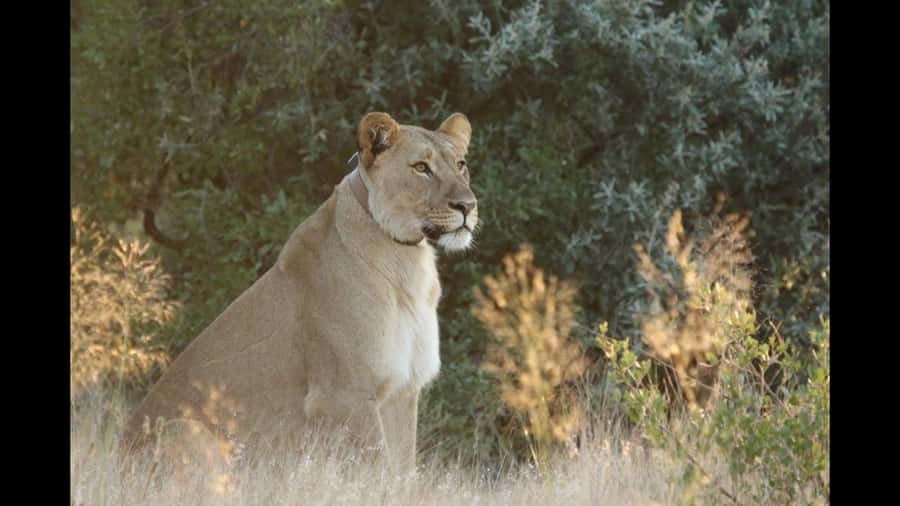
REVIEW · WINDHOEK WILDLIFE SANCTUARIES
Discover the Roots of N/a’ankuse – A feeding Day Tour
You can’t see N/a’an ku sê’ in a textbook. This is a feeding-focused tour from Windhoek that turns conservation into something you can watch, listen to, and understand in real time. You’ll also get a chance to spot animals along the drive, from baboons to big cats.
What I especially like here is the combination of a small group (limited to 5 people) and a guide-led feeding session that connects each moment to why these animals matter. One drawback to keep in mind: this is not a classic game drive, so your sighting count can be more variable than you might expect.
In This Review
- Key things to know before you go
- Why a Naankuse feeding tour beats a standard game drive
- Getting to N/a’an ku sê’ from Windhoek: timing and what you’ll spot en route
- Inside the sanctuary: what the guided feeding session feels like
- The animal lineup: baboons, caracals, cheetahs, wild dogs, and leopards
- How conservation stories turn feeding into real learning
- Comfort, group size, and photography tips that actually help
- Price and value: is $180 per person fair for this kind of tour?
- Where this tour fits best, and where it doesn’t
- Practical rules and planning notes you should not ignore
- Should you book Discover the Roots of N/a’an ku sê’ feeding day tour?
- FAQ
- What time does the tour start and end?
- Where are the pickup locations in Windhoek?
- How long is the guided part at N/a’an ku sê’?
- Is this a game drive?
- What’s included in the price?
- Can I cancel and get a full refund?
Key things to know before you go
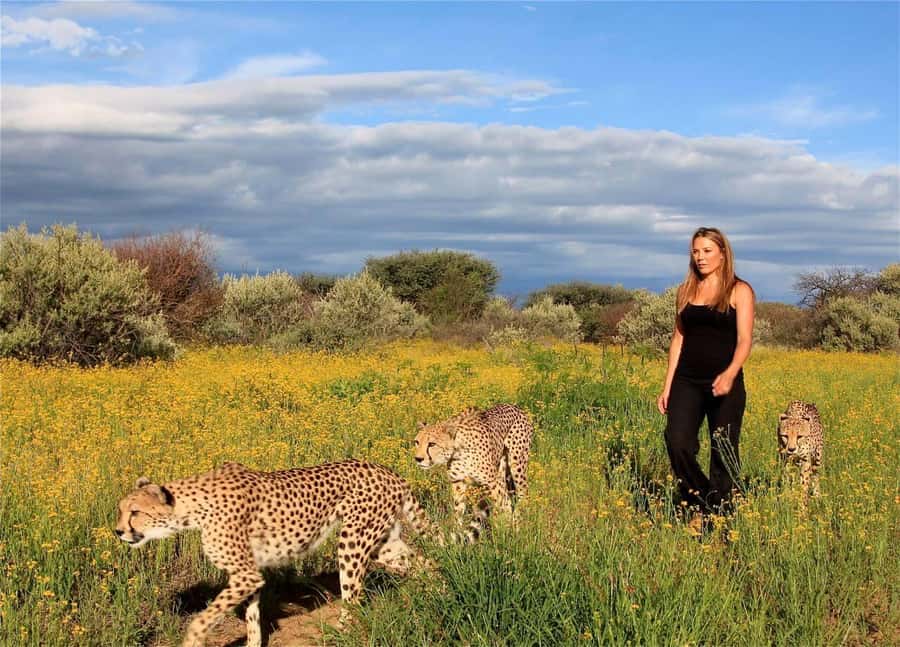
- Feeding tour, not a game drive, with the guide explaining why the animals are at the sanctuary
- Small group of up to 5, which usually means a smoother experience and more time to ask questions
- 6 hours total, including pickup in Windhoek at 08h30 and return around 14h00
- Predators and more, with opportunities to see baboons, caracals, cheetahs, African wild dogs, and leopards
- Photography-friendly rules, with drones not allowed and a clear need for a charged camera or smartphone
Other sanctuary visits on the farms outside Windhoek
Why a Naankuse feeding tour beats a standard game drive
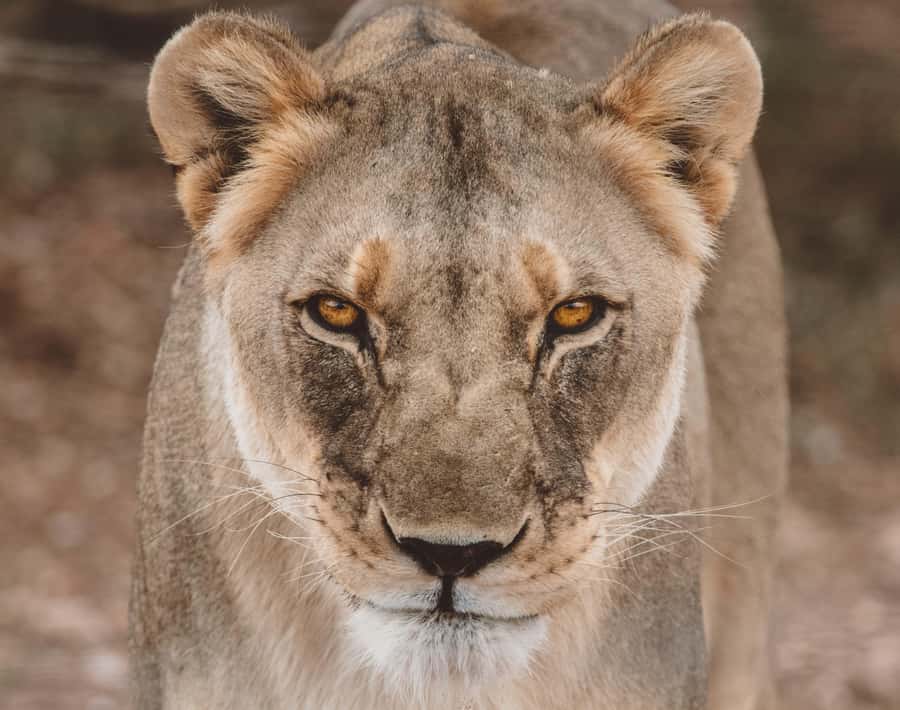
A normal wildlife outing often runs on luck and distance. This one runs on rhythm and storytelling. You’re not chasing animals across a reserve. Instead, you’re learning how a sanctuary works, while watching a feeding moment that brings the whole conservation mission into focus.
That feeding format matters for two reasons. First, it’s how you get a clear picture of animal care, not just animal sightings. Second, it gives the guide a structure to explain each species in context, including why they ended up at N/a’an ku sê’. If you want meaning with your wildlife, this approach delivers.
The trade-off is simple. You might not get the same number of animals you would on a vehicle-based safari where you’re constantly driving to where the action is. If you’re expecting a guaranteed parade of sightings, go in with the right mindset: you’re buying access to a conservation feeding experience, not a numbers game.
Getting to N/a’an ku sê’ from Windhoek: timing and what you’ll spot en route
Plan on a full, focused half-day. You’ll be picked up from your Windhoek hotel at 08h30, with the tour running until about 14h00. Total duration is listed as 6 hours, and you’ll spend about 2.5 hours at the sanctuary during the guided portion, plus driving time.
The drive portion isn’t just transport, it’s part of the experience. You may encounter animals like baboons and caracals while you’re traveling, which helps set the tone before you even reach the main stop. You’re also in the right headspace earlier in the day, when wildlife activity can be higher and the light is more forgiving for photos.
Your best move is to treat the en-route sightings as bonuses, not promises. The tour’s “star” is the feeding session and the conservation explanations that come with it. If you catch an animal along the way, great. If you don’t, you’ll still have plenty to do when you arrive.
Inside the sanctuary: what the guided feeding session feels like
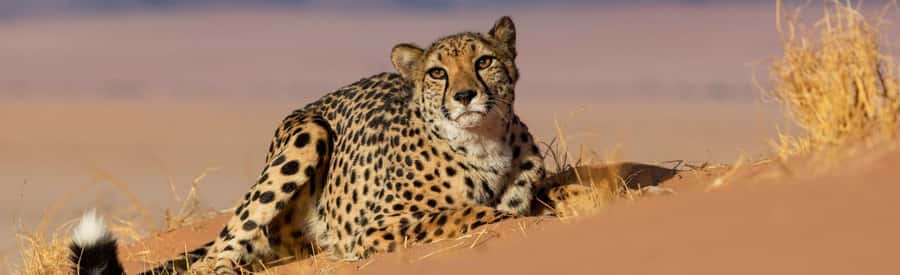
The heart of this outing is the guided feeding experience at N/a’an ku sê’. You go with a live guide speaking English, and you’re limited to a small group. That matters because feeding moments can be tense, fast, and information-heavy. When the group is small, you can actually follow what’s happening without the whole thing turning into a crowded viewing line.
During the feeding session, the guide feeds the animals while simultaneously telling you how they ended up at the sanctuary. That pairing is key. Watching feeding is one thing. Understanding the background behind the animals is what makes it stick.
If you care about predator behavior, this is where the tour earns its keep. The focus includes top predators you often only see briefly in the wild. In past feedback, people have specifically called out memorable details like cheetahs purring, and that kind of comment usually means the feeding moment is close enough to feel real, not distant and generic.
One practical note: you’ll be on a schedule. So if you’re the type who wants to linger for perfect photos, go a little slower with your expectations. This is structured time built around animal care and the guide’s explanation.
- Windhoek: City and Township Tour
★ 4.8 · 430 reviews - Half-Day Windhoek City and Township Cultural Tour
★ 4.5 · 187 reviews - Windhoek: Bushman Walk with the San
★ 4.9 · 145 reviews - 6-Day Dunes and Wildlife Accommodated Safari from Windhoek
★ 5.0 · 123 reviews - Windhoek City Tour
★ 5.0 · 113 reviews
The animal lineup: baboons, caracals, cheetahs, wild dogs, and leopards
This isn’t a one-species show. It’s built around a set of animals that lets you compare behavior and conservation needs across very different predators.
Here’s what the experience is designed around:
- Baboons: often seen on-site and can show up en route, giving you a sense of everyday sanctuary life
- Caracals: sleek and often hard to spot in the wild, so seeing them in a controlled feeding setting can be especially satisfying
- Cheetahs: famous for speed, but at a sanctuary feeding you can connect that reputation to how they are cared for
- African wild dogs: a conservation priority across southern Africa, and a species that makes people stop and pay attention
- Leopards: another major predator focus, with feeding helping you understand how their needs are managed
The lineup is a big part of the pitch, but the reality you should plan for is variability. One set of feedback praised how the guide handled the session and the predator stories. Another mentioned fewer animals than expected and still felt the outing was expensive for what they got. So I recommend you aim for curiosity over certainty.
Think of it like this: if you enjoy learning about conservation through a close-up feeding format, you’ll likely feel it was worth it even if you don’t get every animal you hoped for. If you’re only chasing a long list of sightings, a different style of safari tour might fit better.
How conservation stories turn feeding into real learning
The best thing about this experience is that it ties animal care to a bigger reason. You’re not just looking at predators. You’re learning why those animals are in N/a’an ku sê’ in the first place.
The guide’s job in the feeding session is to explain how the animals ended up at the sanctuary. That means you get context for the work behind the scenes: rescue, rehabilitation, and conservation priorities. If you like your wildlife travel to have a purpose beyond photos, this is where the tour really earns points.
It also helps that the experience is structured as an education-forward day, not a random drive. When the guide talks while feeding is happening, it reduces the usual wildlife-tour problem: you end up watching and guessing, with no clear idea what you’re seeing or why it matters.
And because the group is small, the tone tends to feel more like a guided talk with moments of action, rather than a passive show where you can barely hear.
Comfort, group size, and photography tips that actually help
This is a small group tour limited to 5 participants, with hotel pickup and drop-off from either Avani Windhoek Hotel & Casino or Hilton Windhoek. That setup keeps logistics simple. You don’t need to navigate self-drive, and you avoid wasting time on transfers.
You’ll also be given drinks during the tour, which helps because you’re out for about 6 hours. One review specifically mentioned very warm weather and that the guide kept the tour moving well, so it’s smart to be mentally prepared for heat on sunny days.
For your “capture the moment” toolkit, the tour asks you to bring:
- a camera
- a charged smartphone
I’d follow that exactly. And I’d keep your phone ready with enough storage, because if you catch a caracal or leopard in a feeding scenario, you’ll want to record fast, not fumble later.
Drones are not allowed, so don’t plan on any aerial footage. Stick to ground-level photos and short videos and you’ll be fine.
Price and value: is $180 per person fair for this kind of tour?
At $180 per person for a 6-hour outing, you should treat this as a conservation and education experience first, wildlife sightings second.
What you get that pushes the value upward:
- Small group size (limited to 5)
- Hotel pickup and drop-off in Windhoek
- A guided experience that includes a feeding session, plus time for on-site conservation storytelling
- Drinks included
- Access to a setup that focuses on predators and conservation priorities, not just scanning for animals
What can make it feel pricey:
- It’s explicitly a feeding tour, not a drive to maximize sightings
- Wildlife encounters can be variable, and you might not see as much as you hoped
- Lunch details aren’t listed as included in the core inclusions, so if you get hungry you’ll need to plan accordingly (or at least budget your meal expectations)
So is it worth it? If your goal is learning, watching how sanctuary feeding works, and hearing conservation explanations while you see predators up close, it often feels like good value. If your goal is maximum animal variety, you might end up thinking the price should buy more sightings.
My practical rule: decide what you want more, a lesson or a checklist. This tour is strong on the lesson.
Where this tour fits best, and where it doesn’t
This tour is a good match if you:
- want a structured wildlife experience with a strong conservation angle
- enjoy predator-focused education, especially big cats and African wild dogs
- prefer a quieter setting over crowded bus-style wildlife tours
It’s not a good match if you:
- have mobility impairments, since the tour is not listed as suitable
- have motion sickness, because the day includes driving from Windhoek and back
Also, if you’re traveling with very high expectations for classic game-viewing, adjust them now. The experience is built around feeding and guided conservation storytelling, not vehicle-based tracking.
Practical rules and planning notes you should not ignore
A few “know before you go” items are worth taking seriously:
- Drones are not allowed.
- Explosive substances are not allowed.
- You should bring a camera and a charged smartphone.
- The guide operates in English.
- Pickup works from Avani or Hilton Windhoek, with the same locations used for drop-off.
Also, be prepared for a day that’s planned tightly enough that the tour starts at 08h30. If you’re coming from elsewhere in Namibia, make sure your lodging and morning routine are set so you can arrive on time without stress.
Should you book Discover the Roots of N/a’an ku sê’ feeding day tour?
Book it if you want the conservation side of wildlife travel, with real moments built around animal feeding and clear explanations. The small group format, the English guide, and the predator-focused feeding experience make it feel purposeful, not random.
Skip or swap to a different style of safari tour if your main goal is maximum animal sightings in the shortest possible time. Because this is a feeding-focused tour, your best outcome is learning and memorable feeding moments, not a guaranteed long list of animals.
If you fall into the middle, here’s your best decision framework: go when you’re curious, go when you value education, and go with flexible expectations on wildlife volume. You’ll be exactly the type of traveler this tour is designed for.
FAQ
What time does the tour start and end?
You’ll be picked up from your Windhoek hotel at 08h30 and return to Windhoek at around 14h00. The total duration is listed as 6 hours.
Where are the pickup locations in Windhoek?
Pickup options are Avani Windhoek Hotel & Casino and Hilton Windhoek.
How long is the guided part at N/a’an ku sê’?
The guided tour is listed as 2.5 hours at Naankuse Lodge, and the overall tour experience is described as 3 to 3 1/2 hours.
Is this a game drive?
No. This is a feeding tour, where the guide feeds the animals while explaining how they ended up at the sanctuary.
What’s included in the price?
Included are Windhoek hotel pickup and drop-off, return transport from Windhoek, the guided tour time (3 to 3 1/2 hours), and drinks during the tour.
Can I cancel and get a full refund?
Yes. Free cancellation is available up to 24 hours in advance for a full refund.
More Trips Across Namibia
- Windhoek: City and Township Tour★ 4.8 · 430 reviews
- Half-Day Windhoek City and Township Cultural Tour★ 4.5 · 187 reviews
- Windhoek City Tour★ 5.0 · 113 reviews
- 10-Day Namibia Highlights Guided Tour from Windhoek★ 5.0 · 78 reviews
- 11 Days Small Group Namibia Experience Fully Accommodated Tour★ 5.0 · 31 reviews
More Namibia Reviews
- Windhoek: City and Township Tour★ 4.8 · 430 reviews
- Half-Day Windhoek City and Township Cultural Tour★ 4.5 · 187 reviews
- Windhoek: Bushman Walk with the San★ 4.9 · 145 reviews
- 6-Day Dunes and Wildlife Accommodated Safari from Windhoek★ 5.0 · 123 reviews
- Windhoek City Tour★ 5.0 · 113 reviews
Cheetahs and Carnivores near Windhoek
- From Windhoek: Okapuka Safari Lodge Day Trip★ 4.4 · 20 reviews
- Zannier Game Drive with Hotel Pickup★ 4.7 · 18 reviews
- Windhoek : Cheetah walk Experience★ 4.6 · 8 reviews
- Discover the Routes of N/a’an ku sê.★ 4.0 · 6 reviews
- Predator Encounter: Half-Day Carnivore Feeding Windhoek★ 4.0 · 5 reviews
Other Namibia trips from our own write-ups


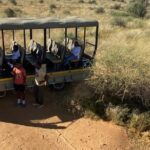
Windhoek Wildlife Sanctuaries, all of them.
 ★ 4.4Okapuka Safari Lodge Day TripFrom $17020 reviews
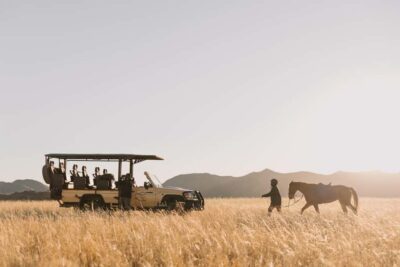 ★ 4.7Zannier Game Drive with Hotel PickupFrom $21818 reviews
 ★ 4.6Cheetah walk ExperienceFrom $2808 reviews
 ★ 4.0Discover the Routes of N/a’an ku sê.From $1366 reviews
 ★ 4.0Predator Encounter: Half-Day Carnivore Feeding WindhoekFrom $1705 reviews
This tour also turns up in