
REVIEW · WINDHOEK WILDLIFE SANCTUARIES
Discover the Routes of N/a’an ku sê.
Wild predators, up close, without the hype. On the Naankuse route at N/a’an ku sê, I love how you get both real animal behavior and conservation stories in one 5-hour outing. You’re also set up for great photography as you track big cats and other apex predators across the reserve.
The one thing to plan for is that safety comes first. You may not get the bar-level, super close shots you’re hoping for, because enclosures are meant to keep people safe, and the animals are wild.
If you want a hands-on view of how Namibia protects rescued predators, this is a strong half-day choice. With pickup offered and a small maximum group size, it has that I-can-actually-ask-questions feeling.
In This Review
- Key highlights worth your attention
- N/a’an ku sê and Naankuse: the conservation angle that makes this tour matter
- Price and value: what $136.71 buys you (and why it’s not just a “safari add-on”)
- The 1:30 pm start: how the timing shapes your wildlife and your comfort
- Inside the Naankuse Wildlife Sanctuary drive: what happens during those 3 hours
- Species you’re likely to spot, and how to think about apex predators
- Feeding time and “ambassador animals”: what you’re really learning
- Photography on this safari drive: how to get strong shots without expecting miracles
- Group size and guide energy: why the tour feels personal
- Who this tour suits best, and who might want a different plan
- Should you book Discover the Routes of N/a’an ku sê?
- FAQ
- How long is the Naankuse Wildlife Sanctuary tour?
- What time does the tour start?
- Is pickup available?
- What’s the price per person?
- What animals might I see during the tour?
- Is the admission ticket included?
- How big is the group?
- Do I need a printed ticket?
- What is the cancellation policy?
- What happens if the weather is poor?
Key highlights worth your attention
- Ambassador animals explained: learn why some rescued predators live at the sanctuary instead of returning to the wild
- Feeding time on the drive: watch scheduled feeding sessions while guides explain behavior and habitat
- Small groups for better sightings: maximum of three for a more personal experience, with a cap of 13 travelers
- Photo-friendly route: repeated viewing stops and active moments can help you get sharper, more varied images
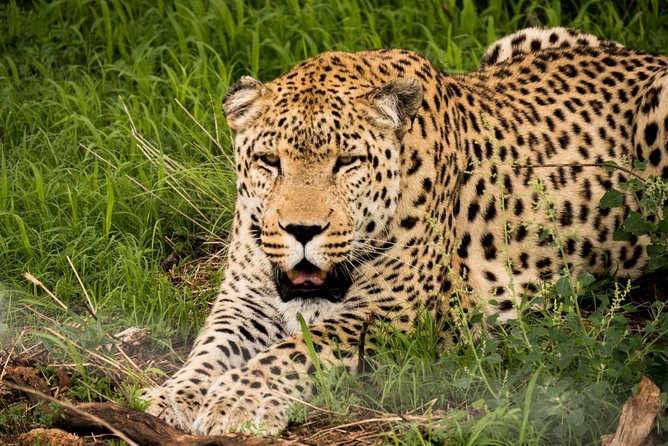
- Apex predators and more: lions, cheetahs, African wild dogs, hyenas, baboons, leopards, caracals, and more
Other sanctuary visits on the farms outside Windhoek
N/a’an ku sê and Naankuse: the conservation angle that makes this tour matter
This tour is built around a simple idea: you can see dangerous animals without turning them into entertainment. N/a’an ku sê and the Naankuse reserve focus on predators that were rescued from lives as dangerous pets, meaning the sanctuary often serves as a long-term home for animals that cannot safely be returned to the wild.
That shift in mindset changes how you look at everything. Instead of thinking only about spotting lions or cheetahs, you start noticing routines: how an animal moves, how it reacts to the environment, and what the guides say about needs and behavior. It also helps explain why you might be close enough for a clear view but not close enough for risky contact. The animals are wild, and the whole experience is designed around safety.
I also like that the tour doesn’t just name species. You learn about habitat and behavior in a way that connects to why the reserve exists in the first place. That gives your sightings context, and it turns the afternoon drive into something more meaningful than a checklist.
Price and value: what $136.71 buys you (and why it’s not just a “safari add-on”)
At $136.71 per person, this isn’t the cheapest thing in Windhoek, but it also isn’t trying to sell you a long, expensive full-day package. It’s a 5-hour experience with pickup offered and an admission ticket included, so you’re not paying extra just to get through the gates.
What makes it feel like decent value is the time structure. The main action is at Naankuse Wildlife Sanctuary, and you get a 3-hour visit there where you’re actively driving and watching feeding sessions. That’s not dead time. You’re in the reserve with a guide, learning as you go, and aiming your camera while animals are active.
Also, the small group size matters for value. When there are only a handful of people, guides can slow down for better viewing, and you can ask questions without talking over each other. If you’re the type who hates shouting to hear answers, this kind of setup usually pays off.
The 1:30 pm start: how the timing shapes your wildlife and your comfort
This tour starts at 1:30 pm, and it runs about 5 hours total. That afternoon timing can be great for optics and animal activity, but it also means you should plan your day around being ready to go. If you show up rushed, the whole experience starts off like a sprint, not a safari.
Because it requires good weather, your schedule should stay flexible in the way you’d expect for an outdoor reserve. If conditions are poor, you can be offered another date or a full refund. So think of this as a plan for an afternoon with Namibia’s skies doing the heavy lifting.
On the practical side, the meeting setup is designed to be straightforward. Pickup is offered, and it’s near public transportation, which helps if you’re juggling lodging far from where tours usually start.
- Windhoek: City and Township Tour
★ 4.8 · 430 reviews - Half-Day Windhoek City and Township Cultural Tour
★ 4.5 · 187 reviews - Windhoek: Bushman Walk with the San
★ 4.9 · 145 reviews - 6-Day Dunes and Wildlife Accommodated Safari from Windhoek
★ 5.0 · 123 reviews - Windhoek City Tour
★ 5.0 · 113 reviews
Inside the Naankuse Wildlife Sanctuary drive: what happens during those 3 hours
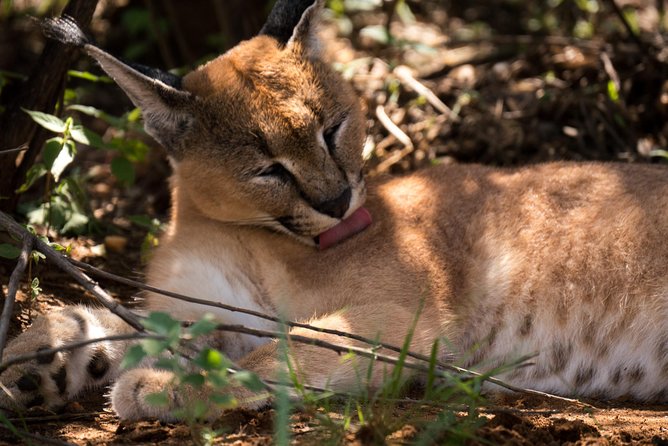
The experience’s main stop is Naankuse Wildlife Sanctuary, and the focus is a guided drive through the reserve. During the drive, you may encounter baboons, caracals, lions, cheetahs, African wild dogs, and leopards, plus other roaming animals.
A big part of what you do there is match what you’re seeing to what the guide is explaining. Expect feeding sessions to be part of the rhythm, not a random surprise. When feeding time comes, it can be a high-energy moment, because animals can become more animated around scheduled activities. It’s also when questions become easier to ask, since you can see behavior in real time and connect it back to habitat and diet.
One subtle drawback to keep in mind is your photo expectations. The sanctuary is not a zoo where you can casually lean into a barrier for close-up shots. Safety rules mean the viewing is at a distance, and you may not be allowed to take close-up pictures from certain enclosure areas. If your goal is extremely tight, bar-level portraits, you may feel disappointed.
That’s why I’d frame this tour as a wildlife-viewing and learning experience first, photography second. If you go in with that mindset, you’ll get way more out of it.
Species you’re likely to spot, and how to think about apex predators
This reserve is home to a group of animals that people associate with “top of the food chain,” including lions, cheetahs, wild dogs, hyenas, baboons, leopards, and more. Seeing multiple apex predators in the same outing is part of the thrill.
But here’s the trick for better enjoyment: don’t treat every sighting like a photo mission. When you see an animal, pause and let the guide put it into context. Lions might be lounging or moving with purpose. Cheetahs can be visually striking even when they’re not doing much. African wild dogs can be heard or spotted with attention to movement patterns. Leopards can feel like they show up when you’re ready to stop scanning.
The payoff is that you’ll start recognizing behavior, not just species names. And because the sanctuary is tied to rescued animals, you’re also learning why these particular individuals are living here, which changes the emotional tone. It’s less about chasing the animal for a shot, and more about watching how it lives safely in a protected environment.
Feeding time and “ambassador animals”: what you’re really learning
One of the best parts of the route is the concept of ambassador animals. These are animals that represent conservation needs and education, especially when they cannot be released back into the wild. On this tour, the guides explain how the reserve protects them and what that means for daily care.
For me, this is where the experience stops being “just a drive.” You learn the why behind rules you might notice in the field, including why you cannot push for closer access or risky angles. The animals are not props, and the sanctuary exists to keep animals safe while also educating people.
During feeding sessions, you also get a better sense of routine. Feeding isn’t just about excitement. It’s also part of how caretakers manage health and encourage natural behaviors as much as conditions allow. When the guide ties feeding to habitat and behavior, your sightings become more understandable.
Photography on this safari drive: how to get strong shots without expecting miracles
You do get perfect photography opportunities throughout the tour, but “perfect” doesn’t mean you’ll always get close-up images. In fact, I’d plan for safe viewing distances and occasional restrictions near enclosures. That means your best images will come from timing and patience more than from standing right next to a subject.
Practical camera approach:
- Use a zoom lens if you have one. You’ll often be shooting from farther back than you expect.
- Be ready for action moments during feeding time, where animals may move more than during resting periods.
- Protect yourself from shake. Afternoon light can be good, but if you’re shooting handheld, keep shutter speed high enough to freeze movement.
Also, don’t ignore the in-between moments. The drive route can produce sightings in different parts of the reserve, so some of your best photos might come after the initial excitement when you’re watching how the animals behave in the habitat.
And if you’re traveling with phone-only gear, you can still get solid images. Just aim for steady framing and focus on silhouettes, posture, and context rather than ultra-close detail.
Group size and guide energy: why the tour feels personal
This is the kind of outing where group size changes the entire experience. The tour highlights a maximum of three people for a more personal experience, and it also notes a maximum of 13 travelers for the overall activity. Either way, it’s not a giant bus crowd.
In a small group, you’re more likely to get:
- clearer answers to questions
- better chances to stop when animals appear
- less pressure to move on immediately
I also take “driven by a guide” seriously here. A good guide helps you see what’s actually happening, not just what you hope is happening. That’s where the tour earns its value, because the animals can be hard to spot fast. The guide’s scanning and explanation is what turns a wilderness moment into an educational one.
Who this tour suits best, and who might want a different plan
This tour is a strong match if you want:
- a half-day safari-style outing from Windhoek
- a chance to see predators like lions, cheetahs, wild dogs, and leopards
- a conservation-focused experience that explains rescued animal care
- small-group interaction and guided feeding time
It also says most travelers can participate, so it’s generally accessible for a wide range of ages and comfort levels with outdoor driving.
If your #1 goal is guaranteed, super close predator photos, you might be disappointed. Safety distance and enclosure viewing limits are part of the deal here. You’ll likely get better results by focusing on observation, behavior, and context, then taking photos when you can.
Should you book Discover the Routes of N/a’an ku sê?
I’d book this if you want a meaningful Namibia predator experience that’s more about education and conservation than about chasing novelty. The combination of a guided drive through Naankuse, feeding time, and ambassador animal explanations gives you more than a quick wildlife hit.
Skip it or at least adjust expectations if you’re specifically after zoo-style close-up barrier shots. In this reserve, safe viewing rules mean you won’t get to treat enclosures like a photo booth.
My final advice: treat it as a guided wildlife viewing afternoon with a camera angle, not a guaranteed tight close-up safari. If you do that, you’ll leave with better photos, better stories, and a clearer understanding of why these animals are living where they do.
FAQ
How long is the Naankuse Wildlife Sanctuary tour?
The tour is approximately 5 hours. The main visit at Naankuse Wildlife Sanctuary is listed as 3 hours.
What time does the tour start?
The start time is 1:30 pm.
Is pickup available?
Yes, pickup is offered. The meeting area is also noted as near public transportation.
What’s the price per person?
The price is listed as $136.71 per person.
What animals might I see during the tour?
You may encounter baboons, caracals, lions, cheetahs, African wild dogs, and leopards, along with other animals in the reserve.
Is the admission ticket included?
Yes, admission to the sanctuary is included.
How big is the group?
The tour highlights a maximum of three people for a more personal experience, and it also lists a maximum of 13 travelers.
Do I need a printed ticket?
No. The tour uses a mobile ticket.
What is the cancellation policy?
Free cancellation is available up to 24 hours before the experience start time for a full refund.
What happens if the weather is poor?
The experience requires good weather. If it’s canceled due to poor weather, you’ll be offered a different date or a full refund.
More Namibia Reviews
- Windhoek: City and Township Tour★ 4.8 · 430 reviews
- Half-Day Windhoek City and Township Cultural Tour★ 4.5 · 187 reviews
- Windhoek: Bushman Walk with the San★ 4.9 · 145 reviews
- 6-Day Dunes and Wildlife Accommodated Safari from Windhoek★ 5.0 · 123 reviews
- Windhoek City Tour★ 5.0 · 113 reviews
Cheetahs and Carnivores near Windhoek
- From Windhoek: Okapuka Safari Lodge Day Trip★ 4.4 · 20 reviews
- Discover the Roots of N/a’ankuse – A feeding Day Tour★ 4.4 · 19 reviews
- Zannier Game Drive with Hotel Pickup★ 4.7 · 18 reviews
- Windhoek : Cheetah walk Experience★ 4.6 · 8 reviews
- Predator Encounter: Half-Day Carnivore Feeding Windhoek★ 4.0 · 5 reviews
Other Namibia trips from our own write-ups


Windhoek Wildlife Sanctuaries, all of them.
 ★ 4.4Okapuka Safari Lodge Day TripFrom $17020 reviews
 ★ 4.4Discover the Roots of N/a’ankuse – A feeding Day TourFrom $18019 reviews
 ★ 4.7Zannier Game Drive with Hotel PickupFrom $21818 reviews
 ★ 4.6Cheetah walk ExperienceFrom $2808 reviews
 ★ 4.0Predator Encounter: Half-Day Carnivore Feeding WindhoekFrom $1705 reviews
This tour also turns up in