
REVIEW · NAMIBIA OVERLAND CAMPING SAFARIS
7 Day Northern Namibia and Skeleton Coast Camping Safari
Two oceans, one week, and a lot of wildlife. This Northern Namibia route strings together Etosha National Park, Himba culture, and the famously shipwreck-heavy Skeleton Coast, then ends with coastal time in Swakopmund and Walvis Bay flamingos. You get multiple chances for big-cat and predator sightings, plus the Cape Cross seal reserve is exactly as intense as people say.
I like that the camp style is built for real savanna days, with a pop-up-roof safari vehicle and meals cooked for you out in the bush. The guides are a big part of the value too, with names like Kennedy, Raymond, Taimi, Johny, Michael, Gideon, Greg, Bronihel, Anton, Simon, Chilo, and Doctor Smithley showing up repeatedly in how this trip is remembered. One drawback to plan around: it is camping with no sleeping bag included, and the pace means long drives and early starts.
If you’re trying to decide, this is best for you if you want a tight “greatest hits” circuit with wildlife and culture, not a slow luxury reset. Also, there is time in Swakopmund, so if you prefer to stay strictly wilderness-only, that urban stop may feel a bit like a detour.
In This Review
- Key highlights I’d circle on your map
- Mount Etjo, rhinos, and a first taste of Namibia near Windhoek
- Etosha National Park’s waterholes: the part that rewards patience
- Himba culture at Otjikandero and the Palmwag night-sky bet
- Skeleton Coast to Cape Cross: shipwreck country and Atlantic weather
- Cape Cross seal reserve walk, Zeila wreck, and Swakopmund free time
- Walvis Bay lagoon flamingos, Dune 7, and the drive back toward Windhoek
- Camping setup, meals, and why the guides matter this much
- Price and logistics: is it worth $1,846.99 per person?
- Should you book this 7-day Northern Namibia camping safari?
- FAQ
- What is included in the tour price?
- Do I need to bring a sleeping bag?
- Is pickup and drop-off provided?
- How many game drives do I get in Etosha?
- Is Etosha viewing focused on waterholes?
- What happens during the Himba village visit?
- What is included at Cape Cross?
- Do I get free time in Swakopmund?
- Are optional activities included?
- Is the booking refundable?
Key highlights I’d circle on your map
- Etosha waterhole time that goes beyond daylight, including a visit to a floodlit waterhole after dinner is cooking
- Multiple Etosha Pan and sunrise-style game drive beats, so you are not stuck only at one camp or one time of day
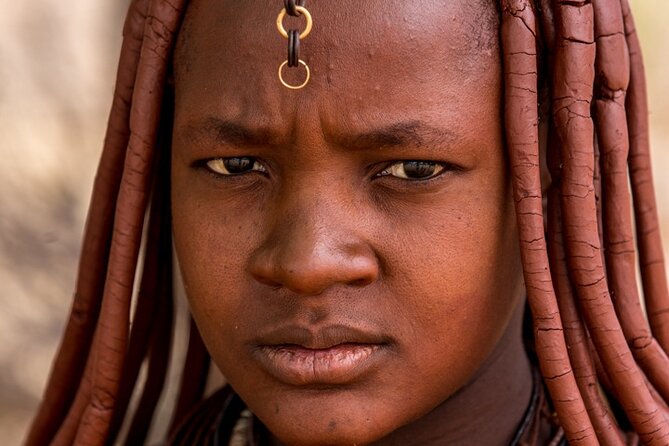
- Himba orphan village visit with guided cultural exchange, plus time to talk and share in a respectful way
- Cape Cross seal reserve walk with the chance to see huge numbers during the breeding season period (Nov to Dec)
- Skeleton Coast shipwreck stops, where fog, currents, and rough seas have left visible clues
- Small-group feel with a maximum of 12 travelers and a pop-up-roof safari vehicle
Other runs north to Cape Cross and the wreck coast
Mount Etjo, rhinos, and a first taste of Namibia near Windhoek
Your morning starts in Windhoek around 7:00am, gathering at Chameleon Safaris headquarters before you head out. The first stops are quick, but they set the tone: a craft-market pause at Okahandja Mbangura Woodcarvers Craft Market where you can browse and practice bargaining while supporting local makers. It is a small, practical way to break up the long-distance day.
Then you move into conservation-focused country at Mount Etjo Game Reserve. What I like here is the balance between nature and a clear mission: Mount Etjo’s work includes contributions toward protecting Namibia’s black and white rhinos in their natural habitat. After you arrive before lunch, you set up camp, eat, then head out for an afternoon game drive aimed at seeing those rhinos. You also finish the day with a Namibian sunset, which is a simple but effective way to make the first day feel like more than just transportation.
One planning note: because the day is split into driving, camp setup, lunch, and a late afternoon game drive, don’t schedule anything else that day besides this tour. Also, game viewing is never guaranteed, even with a strong conservation site, so go in expecting search and surprises, not certainty.
Etosha National Park’s waterholes: the part that rewards patience
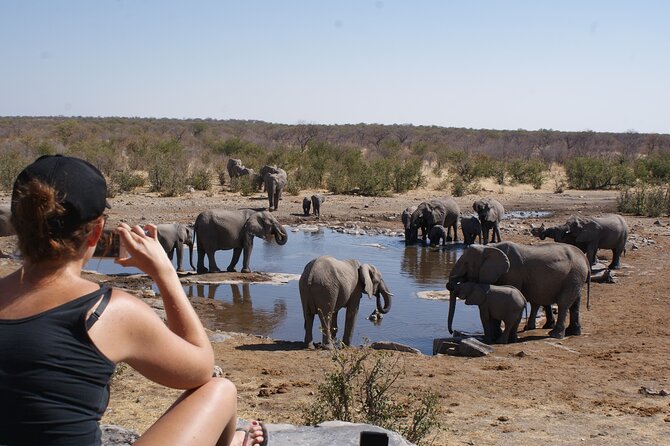
Etosha is where this safari earns its reputation. You enter the park, drive toward Okaukuejo to set up camp and have lunch, then head back out in the afternoon for more wildlife searching. The big difference with Etosha, from a practical standpoint, is how much of the action centers around water, so your day becomes a sequence of “go to the water, wait, watch, move on.”
I especially like the rhythm: one day includes a visit to the excellent floodlit waterhole after dinner. Dinner is prepared by the guide over an open fire, so you’re not just eating, you’re gathering as the day’s temperature drops and animals start showing up. The floodlights mean you can sometimes spot animals even after the main daylight viewing window.
You also get a sunrise-style game drive on the next day, with breakfast at a fenced picnic spot inside the park. That matters because predators and other wildlife can be active early, and the lighting is different. Later, you head toward the Halali area, with time to enjoy the pool and visit the waterhole before lunch, then you go to the Etosha Pan, described as a 4500 sq km saline desert where you can step out and experience the scale in a way that feels different from staying inside the vehicle.
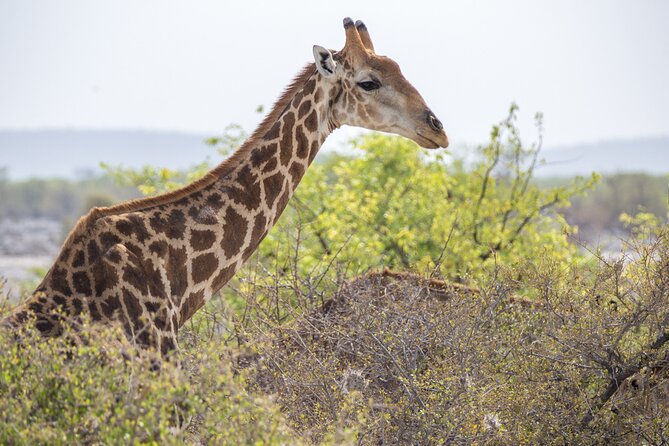
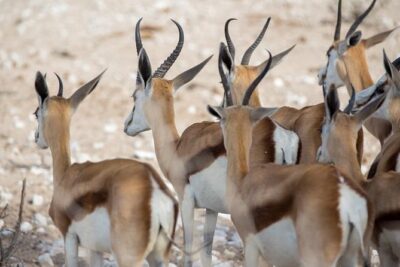
If you’re hunting for the “Big 4,” you’ll spend time looking for them, but I’d treat that as a lucky bonus. What you can count on is more than one meaningful game-drive block, different times of day, and constant chances to spot plains game, birds, reptiles, and predators at water.
Himba culture at Otjikandero and the Palmwag night-sky bet
After Etosha, the mood shifts from animals to people. You start early with a sunrise breakfast and a final game drive as you exit the park. Then comes the cultural visit: the Otjikandero Himba Orphan Village. This is set up as a guided experience where you learn about Himba traditions and customs, get to know the people there, and also have a chance to share a little of your own culture.
I like this stop because it is not presented as a photo shoot moment. The structure is guided, with time built in, so you can actually ask questions and understand what you are seeing. Still, bring the right mindset: ask respectfully, keep conversations kind and brief, and remember that this is someone’s community, not a themed attraction.
Later in the day you continue to Palmwag, where you set up camp and spend the afternoon watching sunsets and hoping to spot wildlife like desert elephant. If you’ve never tried to track elephants in a dry landscape, it’s a different kind of “game drive skill” than Etosha. You’re reading distance, movement, and tracks more than expecting easy sightings.
A practical consideration: cultural villages and then camping that same day means you’ll likely feel the time in your body. Pack water habits and take breaks when you need them, because the next day includes a big transfer west.
Longer camping runs that link the same stops
- 12 Day Classic Namibia Camping Safari
★ 5.0 · 77 reviews - 6 Day Sand, Sea & Etosha Budget Camping Safari
★ 5.0 · 36 reviews - 9 Day Canyons, Dunes & Wildlife Camping and Lodge Safari
★ 4.5 · 23 reviews - 7 Day Northern Namibia and Skeleton Coast Camping Safari
★ 5.0 · 19 reviews - 3 Day Sossusvlei Camping Schedule and Sandwich Habor
★ 4.5 · 9 reviews
Skeleton Coast to Cape Cross: shipwreck country and Atlantic weather
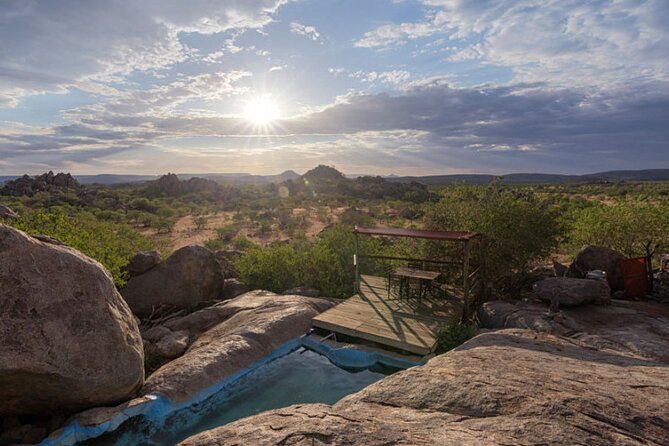
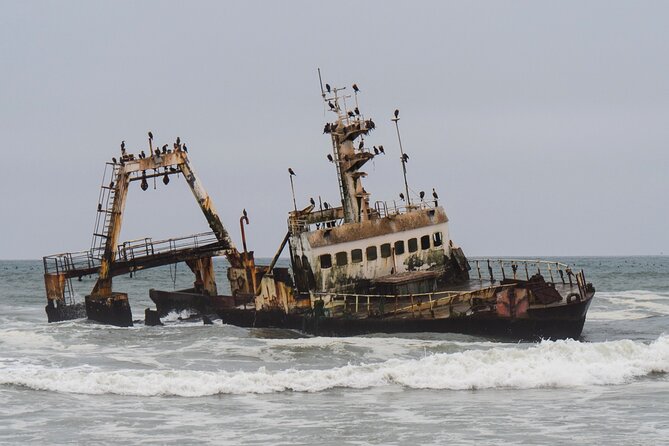
Day 5 is the westward push to the Atlantic, and it feels like a clean break from inland wildlife patterns. You travel through the Skeleton Coast National Park en route to Cape Cross, where the coastline is described as hostile and fascinating, tied to fog, unpredictable currents, and rough seas that have led to shipwrecks over the years.
This day is long, but the point is clear: you’re not just changing locations, you’re changing ecosystems. The Skeleton Coast is stark, and it can be windy, cool, and visually dramatic even when the wildlife isn’t obvious from a distance. When you arrive at Cape Cross mid-afternoon, you set up camp and get your first sunset view over the Atlantic.
Dinner is prepared by the guide over an open fire again, so you end up with that same bush-bench feeling: cooking, wind noises, and the day cooling down. If you dislike weather variability, this is the day to mentally prepare. If you love “real conditions” travel, you’ll appreciate it.
Cape Cross seal reserve walk, Zeila wreck, and Swakopmund free time
The morning at Cape Cross is all about seals. After a cooked breakfast, you take a short walk to the Cape Cross Seal Reserve, home to one of the world’s largest breeding colonies of Cape fur seals. During breeding season (November to December), the tour notes that up to 200,000+ seals can be spotted. Even outside peak months, the colony is typically a big sensory experience, and you’ll understand why the coastline is famous.
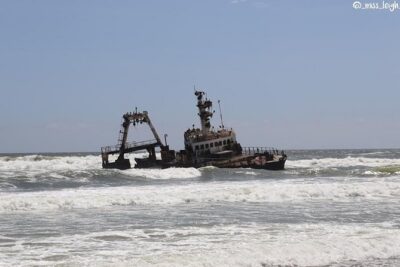
Then you head onward to see the Zeila Shipwreck, described as one of the Skeleton Coast victims as recent as 2007. Even if you’ve seen wreck photos before, seeing a real shipwreck site in this kind of coast environment makes the story feel direct: fog and sea conditions decide more than weather trivia.
By early afternoon you reach Swakopmund, giving you time to explore on foot or choose optional adrenaline activities. The tour mentions options like sandboarding and quad biking, and the wider activity range includes things like skydiving. Dinner tonight is at your own expense, and your guide can help recommend or book activities depending on what you want.
One possible drawback: Swakopmund is a town stop. If your idea of “best travel” is strictly out in the bush, plan to treat this as a recharge and choose one optional activity only, not five. You’ll enjoy it more with a light plan.
Walvis Bay lagoon flamingos, Dune 7, and the drive back toward Windhoek
Your final day starts by leaving Swakopmund around 10:00am and heading south. You visit the Walvis Bay Lagoon, a feeding site for water birds, including greater and lesser flamingos. This is a good finale because it’s a different kind of wildlife viewing: less about predators stalking, more about animals doing what they do in large numbers.
The tour also includes Dune 7 as part of the Walvis Bay area experience. After that, you continue back to Windhoek. The route offers a distant view of Spitzkoppe, often called Namibia’s matterhorn, tied to local Damara communities that mine semi-precious stones. Time permitting, the itinerary includes a stop at a small crystal market where you can learn more about what people find in the mountain.
You return to Windhoek late afternoon and drop back at Chameleon Backpackers or accommodation within Windhoek city limits, depending on where you stay. This timing matters. You get a full day of travel and viewing, but you still end with a reasonable window to regroup before the next leg of your trip.
Camping setup, meals, and why the guides matter this much
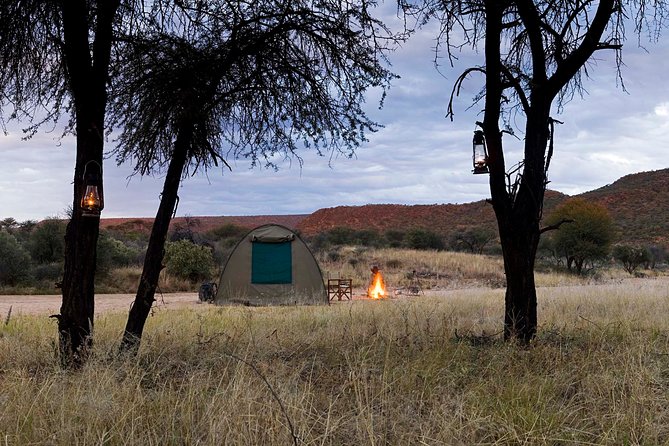
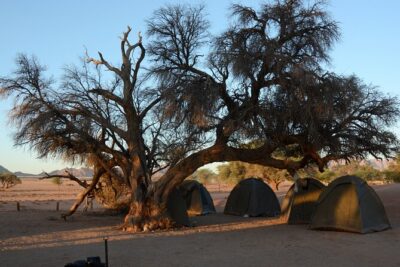
This safari runs like a hands-on camping trip with support. You get camping equipment excluding sleeping bag, meaning you’ll need to bring your own sleeping bag and pack accordingly. If you arrive with the wrong gear, the “wild” parts of Namibia get harder, fast. If you arrive prepared, camping becomes part of the fun rather than a chore.
Your days are built around camp setup and meal flow: breakfasts and lunches are provided, and you have five dinners, with the guide cooking over an open fire. Tap water is available. Those meals are not a small detail. On long drives in dry country, food and warm drinks are what keep your energy steady for early game drives and walking time at Cape Cross.
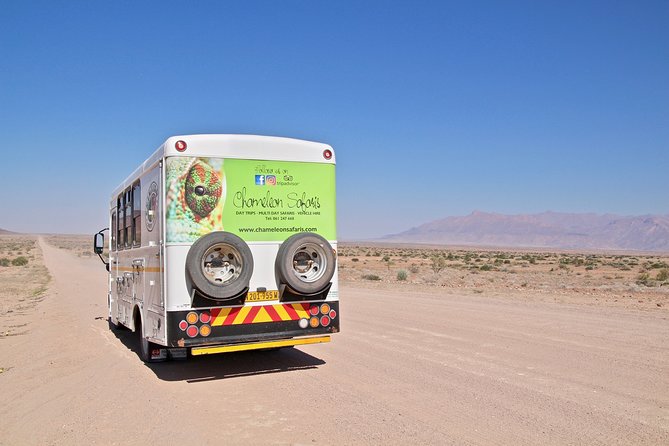
The vehicle also matters for comfort and visibility. You travel in a custom built safari vehicle with a pop up roof, which is designed for animal spotting while keeping you protected. With a max group size of 12 travelers, the vehicle can still feel personal, not like a crowded bus.
Finally, the strongest praise across the guide team is consistency. Names like Johny and Taimi, Kennedy and Raymond, Michael, Gideon, and others show up alongside comments about humor, logistics running smoothly, and guides handling the hard work so you can focus on seeing things. If you choose this tour, do it because you want a guide-led experience where the adults do the planning.
Price and logistics: is it worth $1,846.99 per person?
At $1,846.99 per person, this is not a budget safari. But it also isn’t just “transport plus a sticker.” You’re paying for a full week that includes 5 nights camping plus 1 night accommodation, multiple Etosha game-drive blocks, the Himba village experience, Cape Cross seal colony access, and the Walvis Bay and Dune 7 stops. You also get professional English speaking driver and guide, a safari vehicle with pop-up roof, and pickup and drop-off within Windhoek city limits.
Where the value gets real is that many costs of a self-planned trip add up quickly: vehicle rental, park logistics, guide time, and the complexity of moving from Etosha to Palmwag to the Skeleton Coast. Add included meals, and the week stops being a constant scramble for food and timing.
The price does come with a few things you must manage yourself: sleeping bag is not included, and drinks are not included, including mineral water, soft drinks, and alcohol. Optional activities at Swakopmund are also on your dime. If you tend to buy bottled water for convenience every day, you might want to plan that cost now.
Also, the tour notes a moderate physical fitness level is expected. That doesn’t sound intense, but it covers walking at Cape Cross, uneven ground in camps, and early starts.
Should you book this 7-day Northern Namibia camping safari?
Book it if you want the classic Northern Namibia combo in one week: Etosha wildlife circuits, Himba cultural time at Otjikandero, and a Skeleton Coast ending that feels different from inland safari country. You’ll probably love it most if you enjoy being guided, don’t mind camping without a sleeping bag provided, and can handle early mornings and long drives without turning them into a complaint.
Skip it or adjust your expectations if you need a higher comfort level than camping, hate weather changes by the Atlantic, or want zero time in towns. Swakopmund is part of the design, with free time and optional activities, and you should treat it like a planned break, not the main attraction.
My quick rule of thumb: if your ideal safari includes animals, culture, and a seal colony walk, this one is a strong match. If you prefer only one theme, wildlife-only or city-only, you’ll likely feel the tradeoffs.
FAQ
What is included in the tour price?
The tour includes 5 nights camping plus 1 night accommodation, camping equipment excluding sleeping bag, game drives in Etosha, the Himba village experience, Cape Cross seal colony visit, and visits to Walvis Bay and Dune 7. It also includes a professional English speaking driver and guide, pickup and drop-off within Windhoek city limits, transportation in a safari vehicle with a pop up roof, tap water, and meals (dinners, breakfasts, and lunches).
Do I need to bring a sleeping bag?
Yes. A sleeping bag is not included, so you’ll need to bring your own.
Is pickup and drop-off provided?
Yes, pickup and drop-off are offered within Windhoek city limits, and the tour ends back at the meeting point.
How many game drives do I get in Etosha?
The tour includes 1 full day and 1 afternoon game drive in Etosha National Park, plus additional early and final drive time built into the daily schedule.
Is Etosha viewing focused on waterholes?
Yes. The plan includes moving from waterhole to waterhole in search of predators as well as plains game and birds, and there is also a visit to a floodlit waterhole after dinner.
What happens during the Himba village visit?
You visit the Otjikandero Himba Orphan Village with a guided tour. You’ll learn about Himba traditions and customs, meet people there, and have a chance to share a bit of your own culture.
What is included at Cape Cross?
You visit the Cape Cross Seal Reserve and take a short walk there to see the Cape fur seals. The tour notes that during breeding season (Nov to Dec) extremely large numbers can be seen.
Do I get free time in Swakopmund?
Yes. You arrive in Swakopmund early afternoon and have time to explore on foot and choose optional activities. Dinner in Swakopmund is at your own expense.
Are optional activities included?
No. Optional activities in Swakopmund are not included, though the guide can help with recommendations or bookings.
Is the booking refundable?
No. The experience is non-refundable and cannot be changed for any reason. If you cancel or request an amendment, the amount you paid will not be refunded.
More Namibia Reviews
- Windhoek: City and Township Tour★ 4.8 · 430 reviews
- Half-Day Windhoek City and Township Cultural Tour★ 4.5 · 187 reviews
- Windhoek: Bushman Walk with the San★ 4.9 · 145 reviews
- 6-Day Dunes and Wildlife Accommodated Safari from Windhoek★ 5.0 · 123 reviews
- Windhoek City Tour★ 5.0 · 113 reviews
Camping the Country, More Itineraries
- 12 Day Classic Namibia Camping Safari★ 5.0 · 77 reviews
- 3 Day Sossusvlei Budget Camping Safari★ 5.0 · 62 reviews
- 6 Day Sand, Sea & Etosha Budget Camping Safari★ 5.0 · 36 reviews
- 7 Day Southern Namibia and Sossusvlei Camping Safari★ 5.0 · 26 reviews
- 9 Day Canyons, Dunes & Wildlife Camping and Lodge Safari★ 4.5 · 23 reviews
North to Cape Cross and the Skeleton Coast
- 9 Day Etosha, Skeleton Coast and Sossusvlei Camping and Lodge Safari★ 5.0 · 21 reviews
Other Namibia trips from our own write-ups


Namibia Overland Camping Safaris, all of them.
 ★ 5.012 Day Classic Namibia Camping SafariFrom $3,07177 reviews
 ★ 5.03 Day Sossusvlei Budget Camping SafariFrom $63262 reviews
 ★ 5.03 Day Etosha Budget Camping SafariFrom $63437 reviews
 ★ 5.06 Day Sand, Sea & Etosha Budget Camping SafariFrom $1,35536 reviews
 ★ 5.07 Day Southern Namibia and Sossusvlei Camping SafariFrom $1,84626 reviews
 ★ 4.59 Day Canyons, Dunes & Wildlife Camping and Lodge SafariFrom $2,56823 reviews
 ★ 5.09 Day Etosha, Skeleton Coast and Sossusvlei Camping and Lodge SafariFrom $2,56821 reviews
 ★ 4.53 Day Sossusvlei Camping Schedule and Sandwich HaborFrom $09 reviews
This tour also turns up in