
REVIEW · NAMIBIA OVERLAND CAMPING SAFARIS
3 Day Etosha Budget Camping Safari
Cold nights, hot wildlife action. This budget Etosha camping safari mixes early game drives with evenings at a flood-lit waterhole where you can watch animals come in to drink. I also like the small-group feel, you get personal attention without the mega-bus chaos. One thing to think about first: you’re camping, and a warm sleeping setup matters since a sleeping bag is not included.
You leave Swakopmund in the morning, reach Etosha the same day, then settle into tent camping for two nights. Etosha itself is huge, about 22,000 sq km, and it is named after the Etosha Pan, a salt pan that sits at the heart of this wildlife country. A final stop at Okahandja for Namibia craft shopping breaks up the return drive to Windhoek.
The tour runs every Saturday and ends Monday afternoon, with drop-off in Windhoek city limits. Reviews consistently praise guides like Anton, Simon, Gabriel, and Jonny for driving skill, friendly service, and camp cooking, so if food and atmosphere matter to you, this one is strong. Just know there is no drinks bundle, so plan for water and snacks on top of the stated price.
In This Review
- Key Reasons This Budget Etosha Safari Works So Well
- 3 Days in Etosha, Starting From Swakopmund on a Real Safari Schedule
- The Swakopmund Departure and the Day One Drive Into Etosha
- Etosha Day One: Afternoon Game Drive Plus Okaukeujo-Style Waterhole Magic
- Etosha Day Two: Sunrise Viewing and Waterholes as Your Game Plan
- What “Camping” Means Here: Tents, Cold, and the Value of Simple Comfort
- Evening at the Floodlit Waterhole: The Easiest Way to See More After Dark
- Okahandja Craft Market and the Drive Back to Windhoek
- Price and What You’re Really Buying for $634.56
- Guides Like Anton, Simon, Gabriel, and Jonny Make the Difference
- How to Get Better Sightings Without Stressing Yourself Out
- Packing Checklist for a Budget Camping Safari in Namibia
- Who This Safari Fits Best, and Who Might Want to Rethink It
- Should You Book This 3-Day Budget Etosha Camping Safari?
- FAQ
- How long is the safari, and how many nights do you camp?
- When does the tour start, and what day do you end?
- Where do you get picked up, and where do you get dropped off?
- What time does the tour start?
- What’s included in the price?
- What is not included?
- Is there Wi-Fi on the safari?
- How large is the group?
- Do you need a sleeping bag?
- What happens if you cancel?
Key Reasons This Budget Etosha Safari Works So Well
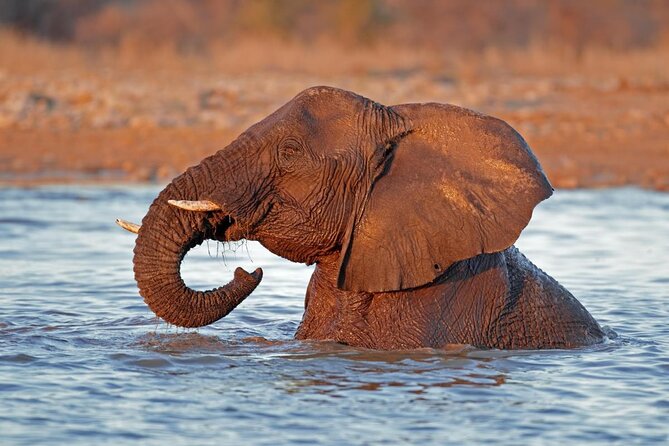
- Flood-lit waterhole evenings at camp, a simple way to rack up animal moments after the sun drops.
- Small maximum group size (7 travelers), which tends to make wildlife spotting feel more personal.
- Sunrise-first game viewing on your main day, when predators and prey often show up more actively.
- Meals and Etosha admission included, so you can budget without second-guessing gate costs.
- Guides who cook well, with multiple mentions of excellent camp meals and smooth, safe driving.
Longer camping runs that link the same stops
3 Days in Etosha, Starting From Swakopmund on a Real Safari Schedule
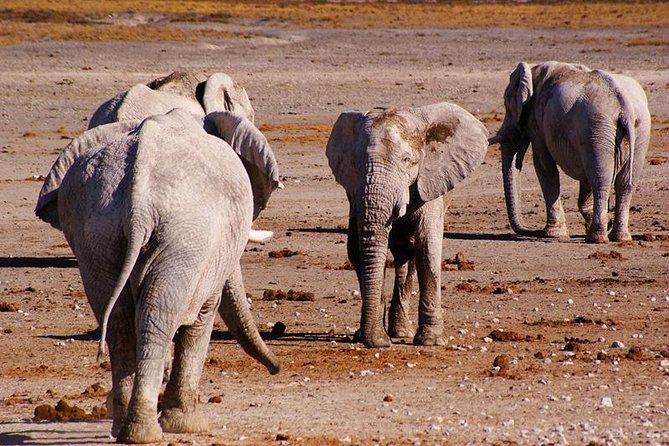
The best part of this style of safari is that it follows animal time, not just human time. You start with a morning pickup in Swakopmund, then head toward Etosha so you get at least one afternoon game drive on day one. By day two, the plan shifts to sunrise viewing, which is when the bush often feels most alive.
If you like a trip that is active but not exhausting, this fits. You get game drives, then you return to camp for dinner and waterhole watching, instead of constantly bouncing around. That rhythm is a big part of why people rate this so highly.
It is also a true budget camping experience, not a luxury lodge. That can be a plus if you want value and a closer feel to the environment. It can be a drawback if you expect lots of comfort extras or you hate sleeping outdoors.
The Swakopmund Departure and the Day One Drive Into Etosha
Your day starts with pickup from your accommodation in Swakopmund around 09h00. From there, you travel by road toward Etosha National Park, with the aim of reaching the gate by about 16h00 so you can start driving almost right away.
That timing matters. Arriving late afternoon lets you do a gate-to-camp drive during the cooler light, when animals often move more freely. It is not a full day of driving, but it is a smart start, because you hit the ground running instead of just checking in.
Once you roll into camp, the day continues with dinner and then a floodlit waterhole visit. This is where Etosha can surprise you, because even when your main goal is predators, prey tends to show up fast once the light is on and animals know it is time to drink.
Etosha Day One: Afternoon Game Drive Plus Okaukeujo-Style Waterhole Magic
The structure on day one is simple: arrive, drive, eat, wait at the water. You do one admission-day’s worth of park access during this time, and you also get that evening waterhole experience that many people remember most.
What makes this part special is the waiting. You are not rushing from sighting to sighting, and you do not need to be a wildlife expert to enjoy it. You can watch the patterns: animals arrive, drink, mill around, and then decide when to move on. For a first evening in Etosha, that is a great way to build momentum.
A helpful detail from the experience is that guides tend to set the tone. Multiple guests mention guides like Anton and Jonny for friendly leadership and camp cooking, which makes the whole afternoon-to-evening transition feel smooth. You do not feel like you are on your own once you reach camp.
One practical consideration: if you are sensitive to cold, plan for it. Even when the day is warm, evenings in Namibia can cool off quickly, and camping nights are real nights, not hotel nights.
- Walvis Bay: Marine Big 5 Luxury Catamaran Tour
★ 4.8 · 1,012 reviews - Swakopmund: Desert Dunes Quad Biking with Optional Sandboard
★ 4.9 · 590 reviews - Walvis Bay and Sandwich Harbour Tour
★ 4.8 · 483 reviews - Scenic Sandwich Harbour Tour
★ 5.0 · 277 reviews - Sandwich Harbour Adventure: Seals and Sandwich harbour dune drive
★ 5.0 · 165 reviews
Etosha Day Two: Sunrise Viewing and Waterholes as Your Game Plan
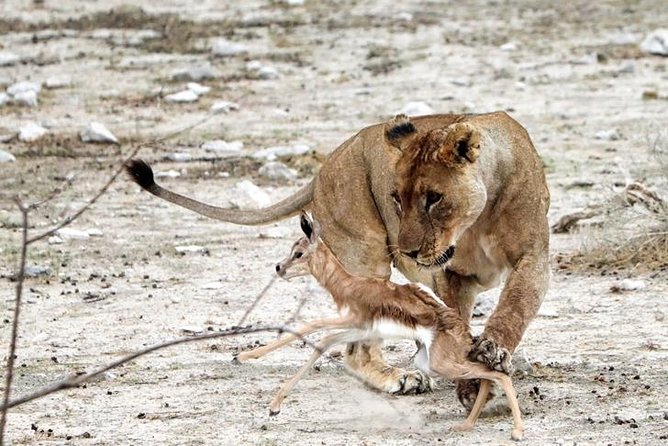
Day two is the “do it properly” day. The gates open at sunrise, and after breakfast you aim to hit the road when the light is new. This is when big cats are often active again, and when plains game might be easier to spot moving toward water.
Etosha is dry country, so water becomes the magnet. The strategy here is to drive between water sources, including natural and man-made waterholes, to maximize your odds. In practice, that means your game drive feels purposeful, because each stop is about increasing your chances of seeing something.
Even if you do not get a lion every hour, you can still have an excellent day. Etosha’s action is often about variety. You might catch bigger predators, but you can also end up with repeated sightings of the animals that use the same water sources again and again.
The other reason day two stands out is pacing. Since day one already got you into the rhythm, day two can focus on quality time in the park. That usually leads to better sightings and fewer “where are we going next?” moments.
What “Camping” Means Here: Tents, Cold, and the Value of Simple Comfort
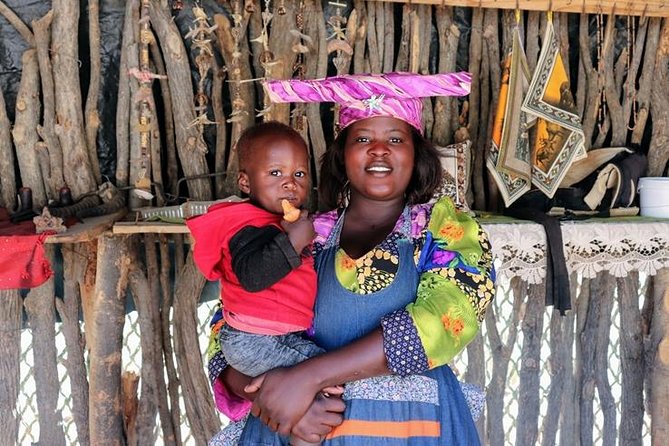
This safari includes camping nights in tent setup, and the camp experience is a major part of the appeal. Several people describe the tents as comfortable, and they highlight how enjoyable it is to listen to the bush at night. That is exactly why camping safaris feel different from lodge safaris.
Still, camping comes with trade-offs. The tour does not include a sleeping bag. If you show up with a thin one, you might feel it in the cold, and at least one review notes that the sleeping bag was not warm enough. The good news is that sleeping bags can be hired from Chameleon Safaris, so you have a solution.
Another practical point: you should not count on staying connected. One review notes that there is no Wi-Fi at the camp, with it available only at the bar or restaurant area. If you need to upload photos every hour, plan for offline time and a power bank.
If you want to sleep well, think in layers. Bring warm socks, a hat, and a proper layer for evenings. Even in a budget safari, that small prep can make a huge difference in how much you enjoy the experience.
Evening at the Floodlit Waterhole: The Easiest Way to See More After Dark
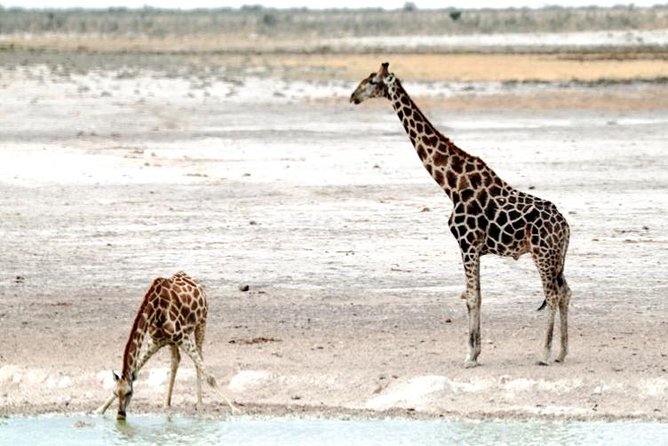
The tour highlights flood-lit waterholes for your evenings, and it is not just a nice extra. This is an efficient strategy because it concentrates animal activity where they feel safe to drink.
After dinner, you head to the floodlit waterhole and simply wait. You can watch how animals react to the light, how they time arrivals, and how activity builds when the water is available. It is a low-effort, high-reward way to add sightings without burning daylight on another drive.
Many guests mention the floodlit waterhole as a highlight, and some even name the famous area, like Okaukeujo, as part of what makes the evenings memorable. Even if you do not know the wildlife patterns ahead of time, you will quickly learn that the waterhole is where the story happens.
This is also where group energy can become great. The best camp moments often happen when everyone is quiet enough to see the next arrival. If you want photos, bring a phone grip or small tripod, and keep your movements slow at night.
Okahandja Craft Market and the Drive Back to Windhoek
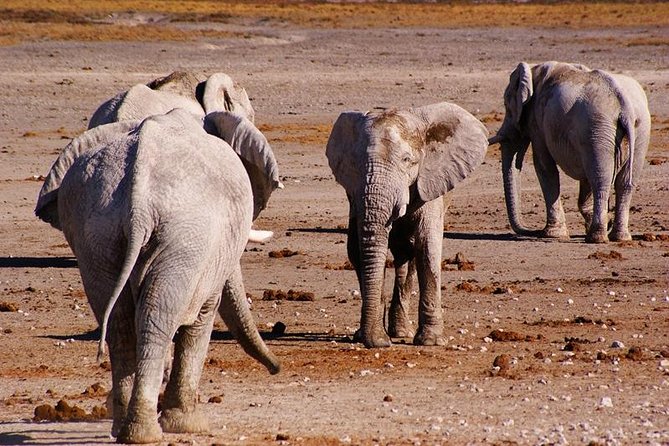
On day three, the focus shifts from hunting for animals to finishing the safari in a smooth, human-friendly way. You break camp for the last time and do a game drive on the way to the park exit, hoping to catch final predator and plains game sightings.
Then the return road heads south toward Windhoek. There is a brief stop in Okahandja to refuel, and this is where the craft market comes in. Namibia’s largest wood carving market is here, and it is an excellent place to buy souvenirs you can actually feel good about.
What I like about this final stop is that it is not rushed shopping for the sake of shopping. If you care about picking up something meaningful, it gives you that chance. Plus, it breaks the driving up so the ride back feels less like a long blank stretch.
Finally, you arrive in Windhoek late afternoon and get dropped off at accommodation within the city limits. That matters because it reduces the hassle of finding your way across town after a long weekend of driving.
Price and What You’re Really Buying for $634.56
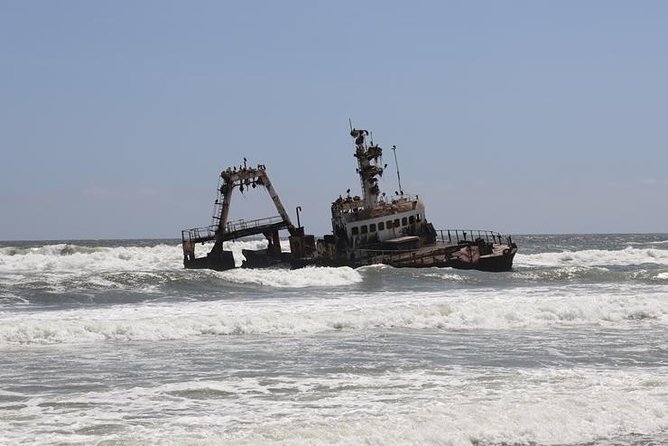
This tour is listed at $634.56 per person, and the booking pace averages around 56 days in advance. For a 3-day, 2-night safari that includes camping and multiple meals, that price can be solid value, especially because key costs are bundled.
Here is what is included: breakfast (2), lunch (3), dinner (2), and Etosha admission tickets for your park time. When admission is included, it removes a common budget stress point for national parks.
What is not included is equally important for the real-world budget. Drinks, including mineral water, and snacks are on you. Tips are also not included. A sleeping bag is not included either, but it can be hired through the safari provider.
So the value equation becomes this: if you travel light, drink responsibly, and plan for one or two extra purchases, the bundled meals and admission can make the math feel fair. If you expect lots of bottled drinks and you forget a sleeping bag, your total cost rises quickly.
Guides Like Anton, Simon, Gabriel, and Jonny Make the Difference
One of the strongest patterns in the experience is guide quality. Reviews frequently praise guides by name, including Anton, Simon, Gabriel, and Jonny (and Anthony is also mentioned in a review). That tells me this company puts real attention into who drives, who leads the game drives, and who runs camp.
What guests appreciate most is usually the mix of practical skills and attitude. People mention safe, capable driving and a friendly, helpful approach. They also talk about camp cooking, with comments that the food is excellent and that guides cook and manage everything smoothly.
I think that matters more than it sounds. On safari, you can watch wildlife all day, but if the guide does not read the bush well or keeps the group calm and organized, your experience can fall flat. In this setup, the guide is not just an observer, they are managing timing, routes, and camp flow.
If you can, do a quick check before you go: ask your guide about best gear for waterhole viewing and whether you should bring binoculars. Even basic questions help you feel confident once you are out there.
How to Get Better Sightings Without Stressing Yourself Out
Etosha rewards patience. You are driving between water sources and moving with the day’s light. That means your best results often come from staying engaged, not from sprinting after every possibility.
A few tactics that fit this safari format:
- At dawn, stay alert and ready. Sunrise is a main viewing window here, and animals often show up more readily in that first light.
- At waterholes, keep your voice down and watch arrivals slowly. Animals often approach, stop to drink, and move again without much warning.
- If you spot something distant, wait for the guide’s call before zooming in for photos. Road safety and group coordination come first.
Also, know that predators are always a bonus, not a guarantee. Several guests mention impressive wildlife, including lions and rhinos in some cases, but you should plan for a range of sightings. When Etosha is working, you might see everything. When it is not, you can still have a memorable day with varied plains game and constant waterhole action.
Packing Checklist for a Budget Camping Safari in Namibia
Since the safari is camping based, packing can make or break comfort. Because a sleeping bag is not included, make sure you either bring a warm one or arrange a hire before you arrive.
Beyond that, focus on comfort and practicality:
- Warm layer for nights and early mornings (even if days feel mild)
- Sturdy shoes for tent camp walking and quick movement around camp
- A flashlight or headlamp, since you will be moving after dinner
- Water and snacks for between meals (since drinks and snacks are not included)
- Power bank for your devices, since Wi-Fi is limited and may not be at the camp
If you are a light packer, you’ll probably be happy here. It is a mobile safari, not a stay in one place.
Who This Safari Fits Best, and Who Might Want to Rethink It
This is a great fit if you want:
- A budget-friendly way to see Etosha without skipping the wildlife core moments
- A camping experience that still feels organized, with meals handled and drives planned
- A small group with a maximum of 7 travelers, which can make the vibe easier, especially if you travel solo
Some reviews describe it as a great option even for someone who is not a hardcore camper. That suggests the camp setup is doable if you prepare for the cold and keep expectations realistic.
You might want another style of trip if you:
- Want an all-inclusive drinks setup
- Hate camping discomfort or do not want to hire a sleeping bag
- Need reliable Wi-Fi as part of your day-to-day routine
Should You Book This 3-Day Budget Etosha Camping Safari?
I’d book this safari if your top priorities are Etosha wildlife time, sunrise viewing, and evenings at floodlit waterholes, all wrapped into a manageable budget. The bundled admission and meals help the price feel fair, and the guide track record, including names like Anton and Simon, makes me confident the trip will run smoothly.
If you are the type who plans ahead, this one rewards you. Bring the right sleeping warmth, accept that Wi-Fi is limited, and be ready for a few long, scenic stretches of driving. Do that, and you’ll likely come away with strong memories of waterhole action and a real sense of Namibia after dark.
If your travel style is luxury-only, or you cannot handle camping nights, you might be happier with a lodge-based safari where comfort extras are included. But for most travelers who want value and authenticity, this budget Etosha camping format is a smart choice.
FAQ
How long is the safari, and how many nights do you camp?
It is about 3 days and 2 nights.
When does the tour start, and what day do you end?
It starts every Saturday and ends Monday afternoons in Windhoek.
Where do you get picked up, and where do you get dropped off?
You are collected from your accommodation in Swakopmund (from 09h00). At the end, you are dropped off at accommodation within Windhoek city limits.
What time does the tour start?
Pickup from Swakopmund is from 09h00.
What’s included in the price?
Meals are included (breakfast 2, lunch 3, dinner 2) and admission tickets are included for the Etosha National Park days.
What is not included?
Drinks (including mineral water) and snacks are not included, and tips are not included. A sleeping bag is not included, but it can be hired from Chameleon Safaris.
Is there Wi-Fi on the safari?
Wi-Fi is not available at the camp itself, and it is mentioned as being available only at the bar or restaurant area.
How large is the group?
The maximum group size is 7 travelers.
Do you need a sleeping bag?
A sleeping bag is not included, and at least one review notes cold issues when the sleeping bag was not warm enough. You can hire one from Chameleon Safaris.
What happens if you cancel?
The experience is non-refundable and cannot be changed for any reason.
More Namibia Reviews
- Walvis Bay: Marine Big 5 Luxury Catamaran Tour★ 4.8 · 1,012 reviews
- Swakopmund: Desert Dunes Quad Biking with Optional Sandboard★ 4.9 · 590 reviews
- Walvis Bay and Sandwich Harbour Tour★ 4.8 · 483 reviews
- Scenic Sandwich Harbour Tour★ 5.0 · 277 reviews
- Sandwich Harbour Adventure: Seals and Sandwich harbour dune drive★ 5.0 · 165 reviews
Camping the Country, More Itineraries
- 5 days Sossusvlei, Swakopmund and Spitzkoppe Camping★ 4.5 · 3 reviews
- 4-Day Sossusvlei and Swakopmund Camping Safari★ 4.5 · 3 reviews
Other Namibia trips from our own write-ups


Namibia Overland Camping Safaris, all of them.
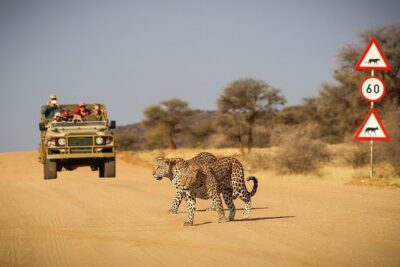 ★ 5.012 Day Classic Namibia Camping SafariFrom $3,07177 reviews
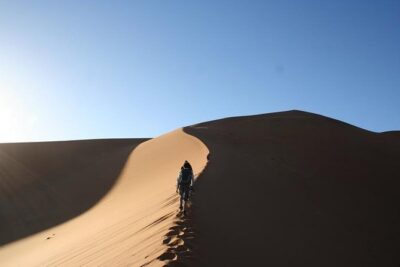 ★ 5.03 Day Sossusvlei Budget Camping SafariFrom $63262 reviews
 ★ 5.06 Day Sand, Sea & Etosha Budget Camping SafariFrom $1,35536 reviews
 ★ 5.07 Day Southern Namibia and Sossusvlei Camping SafariFrom $1,84626 reviews
 ★ 4.59 Day Canyons, Dunes & Wildlife Camping and Lodge SafariFrom $2,56823 reviews
 ★ 5.09 Day Etosha, Skeleton Coast and Sossusvlei Camping and Lodge SafariFrom $2,56821 reviews
 ★ 5.07 Day Northern Namibia and Skeleton Coast Camping SafariFrom $1,84619 reviews
 ★ 4.53 Day Sossusvlei Camping Schedule and Sandwich HaborFrom $09 reviews
This tour also turns up in