
REVIEW · SWAKOPMUND OLD TOWN & COAST WALKS
Cultural Tour in Swakopmund
Town to township in three hours. This Swakopmund cultural tour strings together several community stops, so you get a quick but personal look at Namibia’s tribes and daily life beyond the main road.
I like the small group limit of 6, which keeps the day feeling human and conversational. I also like the fact that the itinerary includes time at a pre-primary school and kindergarten, where you can interact with the kids in a direct, memorable way.
One possible drawback is the reliance on good weather. It’s also a tight 3-hour schedule with multiple stops, so bring comfortable shoes and expect a quick pace.
In This Review
- Key Things I’d Put on Your Radar
- Swakopmund’s Cultural Tour, in Real Life Terms
- Price and Value: What $105.48 Gets You
- How the 3-Hour Timing Works Without Feeling Rushed
- Pickup, Mobile Ticket, and Day-of Convenience
- Stop 1 in Swakopmund: The Drive That Sets the Context
- A Little Walk in the Open Market: See Daily Life First
- Meeting a Herero Lady: Culture and Religion, Not Stereotypes
- The Pre-Primary School and Kindergarten Stop: The Emotional High Point
- DRC Informal Settlement: Seeing Everyday Life With Care
- Herbalist Stop and Damaranama Pop-In: Traditions Through Direct Contact
- Optional Local Food Tasting: When It’s Worth It
- Who This Tour Fits Best
- Guides and the Human Factor: Why Nanette and Mercia Are Mentioned
- Weather and Minimum Numbers: The Two Big Variables
- Should You Book This Cultural Tour in Swakopmund?
- FAQ
- How long is the Cultural Tour in Swakopmund?
- What is the price per person?
- How many people are on the tour?
- Is pickup available?
- Do I get a mobile ticket?
- When will I receive confirmation?
- Is this tour suitable for most travelers?
- Is local food tasting included?
- What happens if the weather is poor?
- Can I cancel for a full refund?
Key Things I’d Put on Your Radar
- Up to 6 people means less waiting, more questions, and a smoother flow between stops.
- Township + tribe visits give you context fast, not just a drive-by look.
- Market walk adds a real, everyday rhythm to the cultural focus.
- Herero culture stop includes explanations of both culture and religion from a Herero lady.
- School and kindergarten time is the emotional high point for many people.
- Optional local food taste lets you decide how adventurous you want to be.
Other walks through old Swakopmund and along the front
Swakopmund’s Cultural Tour, in Real Life Terms
If you’re short on time in Swakopmund but still want more than a beach day, this tour works like a compact cultural sampler. You start in town and then move into the township area for the main part of the experience. The goal is straightforward: you get a guided explanation of local culture and different tribes, followed by several visits that put faces and voices to the topic.
This is not a sit-and-watch program. Even though it’s only about 3 hours, the day includes a little walking, several conversation-led stops, and moments where you’re meant to engage with people, not just observe. That’s the difference between a photo stop and a cultural connection.
And since the maximum group size is 6, the guide can keep your questions moving. That matters in a place where the most interesting answers often come right after you ask something simple like how a tradition is practiced or what it means in everyday life.
Price and Value: What $105.48 Gets You
At $105.48 per person for a 3-hour cultural outing, you’re paying for more than transportation. You’re paying for guided context and access to multiple community settings: a market area, a Herero culture meeting, a pre-primary school and kindergarten, an informal settlement, a traditional herbalist, and a Damaranama tribe pop-in, plus optional local food.
Two value signals stand out in the tour details. First, pickup is offered, which saves you the hassle of arranging your own logistics. Second, the admission ticket is listed as free, meaning you’re not also paying extra entry fees on top of the tour price.
Is it a bargain compared with a long DIY trip? Not necessarily. But it’s strong value for travelers who want structure, interpretation, and minimal guesswork. If you’re the type who likes to understand what you’re seeing while you’re seeing it, the price makes sense.
How the 3-Hour Timing Works Without Feeling Rushed
A 3-hour duration sounds short, and it is. The trick is that the itinerary is built as a chain of stops rather than one long event. That keeps your energy up and gives you variety, but it does mean you’ll spend more time moving between locations than you might on a slower day.
Here’s what you should expect in pacing:
- A short drive from the center of Swakopmund into the township area.
- A guided explanation portion tied to the places you’re seeing.
- Short walks and conversation-based visits at each stop.
- A final optional food taste, if you want it.
Because the group is small, you’re less likely to get stuck behind slow-moving logistics. The tour provider also includes mobile ticketing, so you’re not juggling paper on your phone. Still, if you’re prone to motion sickness or you hate tight schedules, pack calm energy and plan to keep your pace steady.
Other trips into Namibian history
- City Tour of Historical Swakopmund
★ 5.0 · 8 reviews - Cultural Tour in Swakopmund
★ 5.0 · 3 reviews
Pickup, Mobile Ticket, and Day-of Convenience
Practical travel matters, especially when you’re doing a cultural tour that depends on time windows at schools or community visits. Here, pickup is offered, and that removes one big headache: getting yourself to the starting point on your own.
You’ll also receive confirmation at the time of booking, and the experience uses a mobile ticket. That’s helpful if you’re already carrying minimal paperwork while traveling.
One more practical note, tied to what people appreciated: the guides are flexible about real-world timing issues. If you’re in Swakopmund via cruise, try not to assume you’ll have perfect control of your schedule. The tour has a reputation for handling cruise ship hassles with pickup adjustments, which can be a big deal on port days.
Stop 1 in Swakopmund: The Drive That Sets the Context
The day begins with a short drive through the center of Swakopmund and then into the township area. This is more than just a transfer. It functions as the opening chapter of the story.
You’ll get a detailed explanation about culture and different tribes as you go. In other words, the guide is setting the lens before you start meeting people and entering community spaces. That’s why this tour feels coherent even though you move quickly between locations.
If you like learning while you’re en route, you’ll appreciate this structure. It turns what could be wasted travel time into the introduction you need to understand the later stops.
A Little Walk in the Open Market: See Daily Life First
After the initial orientation, you’ll take a little walk in the open market area. This is a small but important shift. The cultural narrative doesn’t stay purely theoretical. You see how life plays out in public spaces.
Markets are often where you notice the practical side of culture: how people move, what gets traded, what conversations sound like in a normal day. You don’t need to shop for this stop to be worthwhile. Even a slow stroll while you listen to the guide’s explanation can help everything else click.
A practical tip: wear shoes you don’t mind getting a bit dusty. The itinerary includes walking, and you’ll be happier if you’re not thinking about discomfort every few minutes.
Meeting a Herero Lady: Culture and Religion, Not Stereotypes
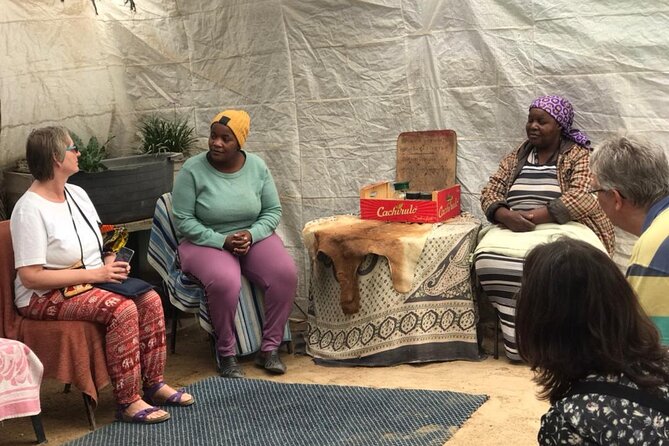
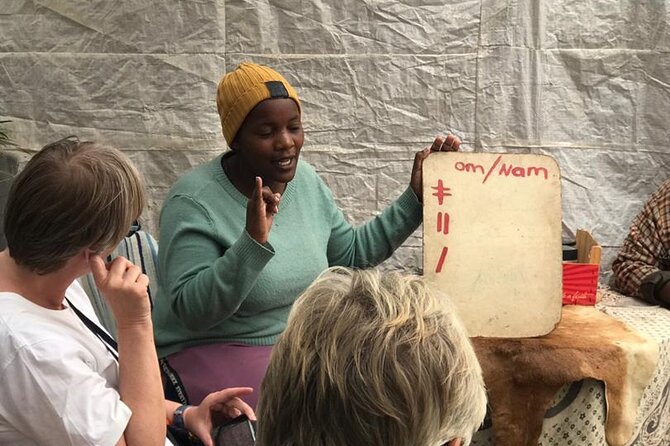
One of the most meaningful parts of this tour is the stop at a Herero lady, where she explains Herero culture and religion. This is personal, face-to-face, and specific. It’s also the kind of stop where respectful listening is the main activity.
You can expect a guided explanation tied directly to Herero culture and belief. This matters because it’s not just general information. Religion and culture are discussed as lived experiences, not as museum facts.
What to do to get more from this stop:
- Ask questions you genuinely care about, but keep it respectful and simple.
- Listen first, then ask. It helps you avoid turning the conversation into a rapid-fire interview.
- Don’t pressure for photos. Let the visit feel natural.
This is the kind of stop that turns a cultural tour from sightseeing into understanding.
The Pre-Primary School and Kindergarten Stop: The Emotional High Point
If you’re wondering what part people most remember, it’s this one. The visit to the pre-primary school and kindergarten is often described as the highlight, largely because of the energy and happiness of the children.
The structure here is straightforward: you visit the school and kindergarten, and travellers can interact with the kids. That interaction is one of the fastest ways to make the experience feel real. It also reminds you that culture is not only traditions and tribes. It’s also education, daily routines, and the future generation.
A few thoughtful expectations:
- You should be ready for your emotions to run higher than you planned. A school visit often does that.
- Interaction is usually best kept light, friendly, and respectful. If you don’t know what to do, just follow the guide’s cues.
- Bring patience. Schools have their own rhythms, and this tour is short, so you’ll likely get limited time on site.
If you’re traveling with kids or teaching yourself through travel, this stop is especially valuable. It connects cultural context to real faces and real needs, in a way that’s hard to replicate anywhere else.
DRC Informal Settlement: Seeing Everyday Life With Care
Next, you visit DRC, described as an informal settlement. This stop adds a different lens to the tour. It shifts from school setting to a community context where everyday life may look very different from what you’re used to.
The key here is how you approach it. You’re not arriving to judge or compare. You’re arriving to observe with understanding, guided by explanations from your host. Even without a long stay, this stop gives you a fuller picture of the township area and its social reality.
Possible drawback: this kind of visit can feel heavy. If you’re sensitive to poverty or uncomfortable with inequality, you may find it emotionally challenging. On the other hand, if you want your trip to be honest and not only pretty, this is the part that makes the day more than a brochure.
Keep your mindset steady: respectful, curious, and focused on learning.
Herbalist Stop and Damaranama Pop-In: Traditions Through Direct Contact
The itinerary continues to a traditional herbalist and then includes a pop-in at the Damaranama tribe. This is where the tour broadens from explanations to lived tradition.
Herbalist stops can be fascinating because they often connect practical knowledge with spiritual and cultural thinking. In this tour, you’ll visit the herbalist as part of the cultural arc, so it’s not random. It’s part of the guide’s overall explanation of beliefs and cultural practices.
Then you add a Damaranama pop-in, which helps you see that Namibia’s cultural landscape is not one story. It’s multiple communities and traditions. Even though this is a shorter stop, it provides variety and helps you avoid thinking of tribes as checkboxes.
How to make these stops better for you:
- Ask about what the tradition means in daily life, not just what it is.
- Let the guide steer the conversation. They know what’s appropriate.
- Watch how people respond. Tone and pacing often matter as much as the words.
Optional Local Food Tasting: When It’s Worth It
At the end, there’s a taste of local foods, listed as optional. This is a nice finish if you enjoy food as a language. The earlier stops focus on culture and community, while food gives you a sensory connection you can remember later.
If you have dietary restrictions, don’t assume you’ll automatically get a safe option. The tour says local food tasting is optional, which means you should decide based on your comfort level before you commit.
Who This Tour Fits Best
This tour is a strong match if:
- You want a structured cultural experience in a short time.
- You prefer small groups and conversation-led stops.
- You like learning about culture through direct contact with people, including school visits.
- You’re comfortable with a day that includes both joyful moments and more serious community contexts.
It may be less ideal if:
- You dislike township or informal settlement visits.
- You’re sensitive to emotional situations tied to schools and community inequality.
- You need a fully flexible schedule, because the day is planned and weather-dependent.
Guides and the Human Factor: Why Nanette and Mercia Are Mentioned
In the feedback, the guides named are Nanette and Mercia, and they’re specifically praised for being the best tour guides, along with excellent communication and flexibility. That tells me something important for your planning: the quality of interpretation and how the day is run matters just as much as the stops themselves.
On cultural tours, a good guide does two jobs. They translate what you’re seeing, and they help keep the experience respectful. When communication is strong, you spend less time confused and more time understanding.
If you’re the type who likes to ask questions, this kind of guide-led structure is exactly what you want.
Weather and Minimum Numbers: The Two Big Variables
This experience requires good weather. If weather is poor, it can be canceled, and you’ll be offered another date or a full refund. Also, the tour has a minimum number of travelers. If that minimum isn’t met, it may be canceled with an alternative date or a full refund.
So if your travel window is tight and you’re set on that exact day, it’s smart to build in flexibility.
Should You Book This Cultural Tour in Swakopmund?
I’d say yes, if you want a short, guided day that goes beyond the surface and touches multiple parts of community life. The small group size, the direct Herero culture meeting, the school and kindergarten interaction, and the herbalist plus Damaranama pop-in combine into a tour that feels like learning, not just moving.
Book it if:
- You’re excited to meet people and ask questions.
- You value a small group format with a 3-hour timeline.
- You want the emotional highlight of the pre-primary school and kindergarten stop.
Skip it or choose a different style if:
- You’re not comfortable with informal settlement visits.
- You need a relaxed, long sightseeing pace.
- Your schedule can’t tolerate possible weather-related changes.
FAQ
How long is the Cultural Tour in Swakopmund?
The tour lasts about 3 hours.
What is the price per person?
It costs $105.48 per person.
How many people are on the tour?
There is a maximum of 6 travelers.
Is pickup available?
Yes, pickup is offered.
Do I get a mobile ticket?
Yes, the tour uses a mobile ticket.
When will I receive confirmation?
Confirmation is received at the time of booking.
Is this tour suitable for most travelers?
Most travelers can participate.
Is local food tasting included?
Local food tasting is optional.
What happens if the weather is poor?
The experience requires good weather. If it is canceled due to poor weather, you will be offered a different date or a full refund.
Can I cancel for a full refund?
Yes. You can cancel up to 24 hours in advance for a full refund. If you cancel less than 24 hours before the start time, you will not receive a refund.
More Trips Across Namibia
- Walvis Bay: Marine Big 5 Luxury Catamaran Tour★ 4.8 · 1,012 reviews
- Walvis Bay and Sandwich Harbour Tour★ 4.8 · 483 reviews
- Scenic Sandwich Harbour Tour★ 5.0 · 277 reviews
- Scenic Desert Tour by Bike★ 5.0 · 165 reviews
- Living Desert Eco Dune Tour★ 5.0 · 113 reviews
More Namibia Reviews
- Walvis Bay: Marine Big 5 Luxury Catamaran Tour★ 4.8 · 1,012 reviews
- Swakopmund: Desert Dunes Quad Biking with Optional Sandboard★ 4.9 · 590 reviews
- Walvis Bay and Sandwich Harbour Tour★ 4.8 · 483 reviews
- Scenic Sandwich Harbour Tour★ 5.0 · 277 reviews
- Sandwich Harbour Adventure: Seals and Sandwich harbour dune drive★ 5.0 · 165 reviews
Old Swakopmund on Foot
- swakopmund city tour dune 7 pink lake pink flamingos★ 3.8 · 39 reviews
- City Tour of Historical Swakopmund★ 5.0 · 8 reviews
- Walvisbay Dune 7 and Swakopmund Town Half Day Guided Tour★ 4.0 · 4 reviews
Other Namibia trips from our own write-ups


Swakopmund Old Town & Coast Walks, all of them.
 ★ 3.8swakopmund city tour dune 7 pink lake pink flamingosFrom $7539 reviews
 ★ 5.0City Tour of Historical SwakopmundFrom $378 reviews
 ★ 4.0Private Half Day Coast Tour of Walvis Bay and Swakopmund CityFrom $2016 reviews
 ★ 4.0Walvisbay Dune 7 and Swakopmund Town Half Day Guided TourFrom $04 reviews
This tour also turns up in