
REVIEW · KATUTURA & MONDESA TOWNSHIP WALKS
Explorer Private Cycling Township Tours
Mondesa township is best seen at bike speed. This 4-hour guided ride in Erongo focuses on local life in Namibia, with stops that cover culture, daily routines, and real conversations.
I love how the tour moves beyond photos, starting at a local food market and then routing you through streets people actually use. You’ll also spend meaningful time with a local family meal, not just a quick stop for sightseeing.
One thing to consider: the route includes township streets and informal settlement areas, so comfort on the bike matters, and it is not suitable for wheelchair users.
In This Review
- Key things to know before you go
- Why this Mondesa township bike tour feels different
- Getting ready: bike, gear, and what your body will notice
- The Mondesa food market start: where the story begins
- Cycling through colorful houses and street life
- Meeting culture face-to-face with a Herero lady
- The local family welcome: food, conversation, and song
- Pre-school visit and community connections that go beyond sightseeing
- Old versus new Mondesa, plus the informal settlement route
- Transfers, timing, and how to plan your day
- Price and value: is $95 per person worth it
- Who should book this and who should skip it
- Final verdict: should you book Explorer Private Cycling Township Tours?
- FAQ
- FAQ
- How long is the cycling township tour?
- How much does the tour cost?
- What is included in the price?
- Will I be picked up from my accommodation?
- What languages are the live guides?
- What should I bring?
- Is the tour wheelchair accessible?
- Are pets or smoking allowed?
Key things to know before you go

- Mondesa food market start gives you context fast, with the everyday rhythm of shopping and selling
- Herero culture visit includes seeing a Herero lady in traditional dress
- Click language lesson helps you understand how culture shows up in communication
- Local family welcome means you eat with people, not around people
- Informal settlement route shows both older and newer parts of the township through community connections
More walks through Katutura and Mondesa with local guides
Why this Mondesa township bike tour feels different
If you have already seen the easy tourist sights, this is the kind of experience that adds a whole other layer. A guided cycling township tour gives you something walking tours often miss, momentum. You move through Mondesa with purpose, and the guide helps you connect what you see with why it matters.
I like the way this tour centers on people and practical daily life. You start at the Mondesa food market, then cycle through streets lined with colorful houses. After that, you shift into cultural learning and community visits, including a pre-school stop and time with families in an informal settlement area made of tin shack dwellings.
You should also know that Mondesa comes with heavy context. The tour frames the area as part of the post-apartheid era, including the challenges of overcoming past injustices. That does not mean it is heavy all the time. It means the guide is not treating the township like a set. It is lived space, with pride, hustle, and community energy.
Getting ready: bike, gear, and what your body will notice
This is a 4-hour half-day tour, and it is built around you actually riding. The basics are handled for you: bicycles, a helmet, safety gear, pickup, and transfers are included.
That matters more than it sounds. A good township bike tour only works if you feel safe enough to focus on the street scenes and conversations. The included safety gear is there so you can take the pace in stride and not spend the whole time thinking about minor risks.
What you bring is simple but important:
- a passport or ID card
- comfortable shoes
- a sun hat
- a camera
One smart tip for your visit, bring some sweets for kids. That is specifically recommended, and it can turn a brief moment into a warmer interaction.
Also, it is not allowed to smoke, and pets are not allowed. Plan accordingly so you do not end up stuck at the edge of the group rules.
The Mondesa food market start: where the story begins
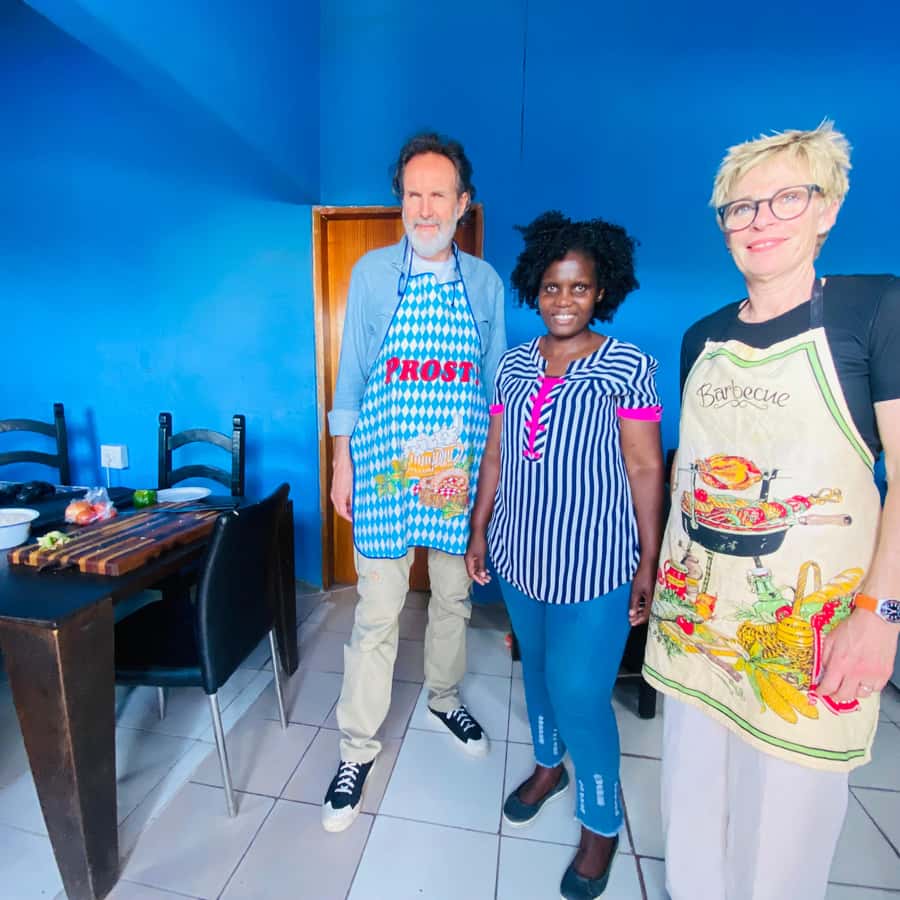
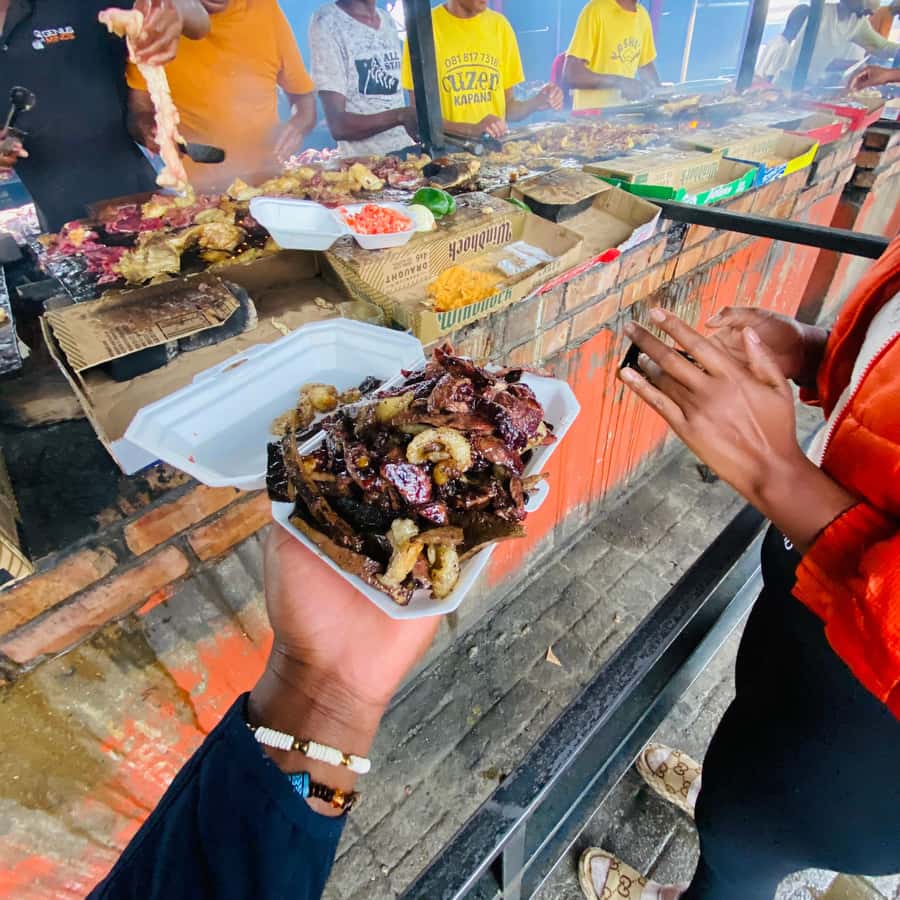
Most tours tell you where to look. This one starts where people already look, the local food market in Mondesa. You begin your ride there, then roll from the market into the township streets.
This first segment sets expectations for the rest of the half-day. You see the daily flow of buying and selling groceries. You get a sense of what the township economy looks like at ground level, not in theory. And because you are riding, you experience movement, which helps you later when the tour shifts into cultural and community visits.
From a photography perspective, this is where you get your first real payoff. You will be cycling through streets and colorful houses, and the market start gives you a natural baseline. You can later compare what the guide points out, like what is new versus what has older roots.
If you are the type who likes to understand before you shoot, take your first 15 minutes slowly. Watch the guide’s rhythm, then start taking photos once you see how the group is moving.
Other rides into the desert on two wheels
- Swakopmund: Desert Dunes Quad Biking with Optional Sandboard
★ 4.9 · 590 reviews - Scenic Desert Tour by Bike
★ 5.0 · 165 reviews - Swakopmund: Scenic Desert Bike Tour
★ 4.9 · 58 reviews - Quad Bike Tour (1 hour)
★ 4.5 · 24 reviews - 2hr COMBO – 1hr Lie-down Sandboarding and 1hr Quad Bike ride
★ 5.0 · 18 reviews
Cycling through colorful houses and street life
After the market, the tour becomes a guided ride through Mondesa township. The highlights call out pictures of colorful houses, but the value is more than visuals. The guide’s job is to put those streets into context, so you learn what you are seeing while you are seeing it.
You can expect the ride to include everyday details like people running small businesses. In the informal settlement route, you may pass a local shopping center area where people are buying and selling groceries. There are also home-styled hairdressers and other small sights and sounds that make the neighborhood feel real.
This is where bike travel makes sense. Walking can make you stop too often. In contrast, cycling lets you keep flowing through the township while still getting guided stops and explanations.
Practical note: your comfort on a bicycle in town comes down to your basic readiness. Wear your comfortable shoes, and keep your camera strap secure. Dust and sun are common factors in Namibia, so a sun hat is not optional if you want to stay present.
Meeting culture face-to-face with a Herero lady
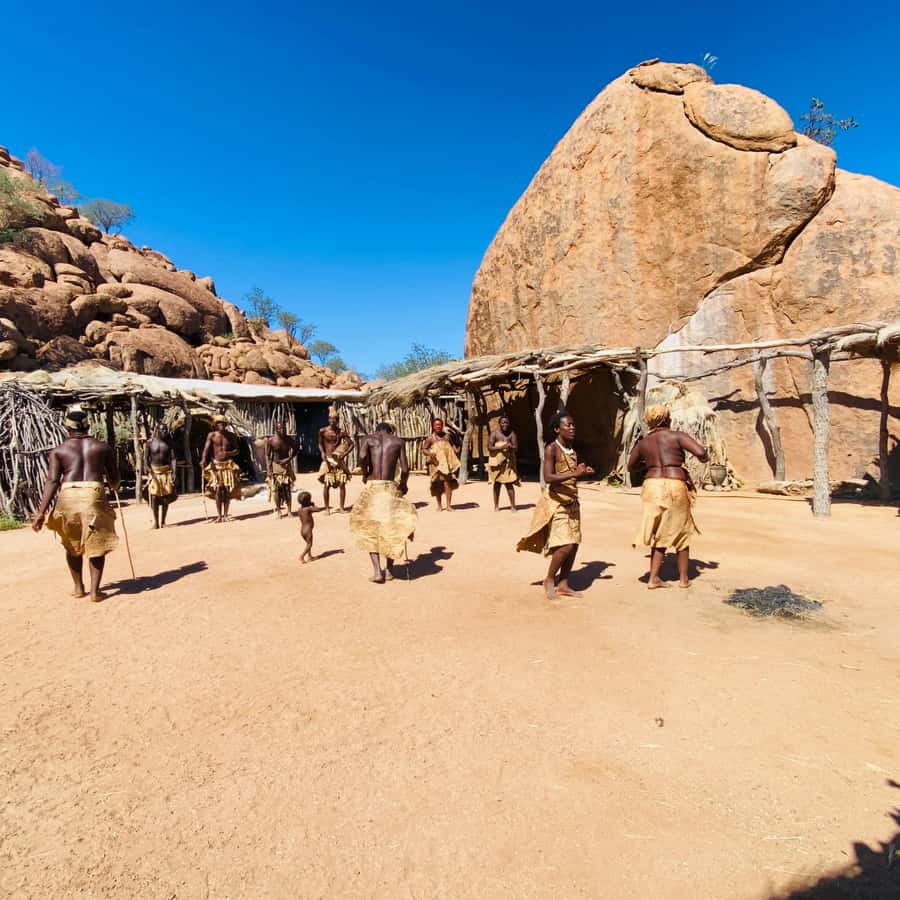
One of the most specific, and frankly more memorable, parts of the tour is the cultural visit to a Herero lady in her Herero dress. This is not presented as a quick photo opportunity. It is framed as learning about different cultures.
From a visitor standpoint, this stop matters because it is tied to identity, clothing, and communication. You do not just learn facts. You see how culture looks in daily life.
The tour also includes learning about the click language. That is one of those details that can feel abstract until someone shows you how it fits into real speech. Even a basic primer helps you shift from tourist mode to listener mode.
If you want to get the most out of this part, do two things:
1) listen longer than you speak
2) treat mistakes lightly if you try a word or a sound
You will get more out of the cultural moment that way.
The local family welcome: food, conversation, and song
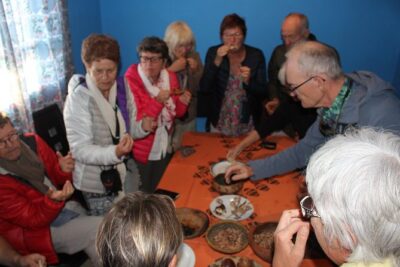
This tour’s big heart is the welcome by a local family. You visit a local family home and enjoy local food, described as a lunch or dinner experience. The tone is warm, and it is clearly a highlight for people who did the tour.
One of the most praised elements is the meal plus singing at the end. You might come in thinking you will eat and leave. Instead, the finish blends food with a more communal vibe, including a capella-style singing element that creates a strong memory.
For me, this is the moment that turns a ride into a relationship. You are not just observing the township. You are being hosted inside it.
A gentle heads-up: this stop can be emotionally moving, especially given the broader context of post-apartheid challenges. If you prefer experiences that stay light and strictly scenic, this part might feel intense. But it is also the reason the tour is valued.
Pre-school visit and community connections that go beyond sightseeing
The overview mentions a pre-school visit as part of meeting locals and interacting with the community. Even though you are on a half-day schedule, these kinds of school visits often create the most direct human connection.
This is where you should slow down. Keep your phone time minimal. Let the guide handle introductions. If you brought sweets for kids, this is a good time to use them, following the guide’s cues.
I also like that the tour mixes school and household visits. It gives you a fuller picture of daily life, from younger community members to adults managing errands, food, and home businesses.
Old versus new Mondesa, plus the informal settlement route
The tour doesn’t only show one slice of Mondesa. It moves through what it calls the old and the new township, then continues into an informal settlement area made of tin shack dwellings.
This is one of those parts where a bike tour can actually help you understand scale. You cover ground, so the township does not feel like a single street. You also get a sense of how different areas connect in daily life.
You will also pass a local shopping center area, and you will see people buying and selling groceries. That keeps the experience grounded. It prevents the informal settlement segment from turning into a one-note stop.
A drawback to consider: informal settlement areas can be more visually complex and can include uneven surfaces. The tour provides safety gear, but your comfort still depends on your own balance and focus. Ride calmly and keep your expectations realistic. This is not a smooth promenade.
Transfers, timing, and how to plan your day
The tour lasts 4 hours. That makes it a good fit when you want something meaningful but you still want a relaxed evening after.
Pickup from your accommodation and transfer logistics are included. That matters because it reduces the friction of getting to Mondesa and back. You can focus on the experience, not on navigation.
Also, the guide language options are English and German. If you are comfortable with one of those, you will likely catch more of the explanations, especially around the click language and cultural context.
If you are planning other activities in the region, choose something that does not require high energy right after. After a few hours in the sun and riding, you will want downtime.
Price and value: is $95 per person worth it
At $95 per person for a 4-hour guided cycling tour, the value comes from what is included and what the experience gives you.
You get:
- bicycles
- helmet and safety gear
- pickup and transfers
- a live guide in English or German
- multiple community visits, including a local family meal
- cultural learning, including the Herero dress visit and click language instruction
The big reason it feels like good value is the access. A community-focused visit requires coordination, and the local family welcome and school visit add real depth. Most short tours in tourist areas pay mostly for transport and interpretation. This one also pays for relationships and time with hosts.
If your travel style is hands-off sightseeing, you might feel the price more. But if you want cultural learning, real meals, and guided context, $95 for a half-day can be a fair trade.
Who should book this and who should skip it
You should book this tour if you want a practical way to understand Mondesa township through:
- a local guide-led route
- cultural stops like the Herero dress visit and click language lesson
- time with a local family and a community setting
- a bike-based look at both older and newer parts of the township
You should also like the idea of spending time in everyday spaces like a local market and shopping areas, not only curated landmarks.
You might want to skip it if you have limited comfort on a bicycle or if uneven township terrain would be a problem. The data also states it is not suitable for wheelchair users, even though it is marked wheelchair accessible elsewhere. If you rely on a wheelchair, I strongly recommend you confirm suitability with the operator before booking.
Final verdict: should you book Explorer Private Cycling Township Tours?
I think this is a smart choice if you are in Erongo and want more than a photo loop. The best parts are the human ones: the local family welcome with local food, the ending that includes singing, and the guided explanations that help you read the township instead of just passing through it.
Book it if you want an honest, guided half-day that includes culture learning, market life, and community interaction, with bike support and safety gear so you can focus on people and street scenes.
Skip it if you want a purely scenic ride, or if you are uncomfortable with informal settlement areas and the physical realities that come with them.
FAQ
FAQ
How long is the cycling township tour?
The tour lasts 4 hours.
How much does the tour cost?
It is priced at $95 per person.
What is included in the price?
Bicycles, pickup, transfer, a helmet, and safety gear are included.
Will I be picked up from my accommodation?
Yes, pickup is included.
What languages are the live guides?
The live tour guide speaks English and German.
What should I bring?
Bring your passport or ID card, comfortable shoes, a sun hat, and a camera. It is also recommended to bring sweets for kids.
Is the tour wheelchair accessible?
The information shows both wheelchair accessibility and that it is not suitable for wheelchair users. If you use a wheelchair, you should confirm suitability with the provider before booking.
Are pets or smoking allowed?
Pets and smoking are not allowed.
More Trips Across Namibia
- Walvis Bay: Marine Big 5 Luxury Catamaran Tour★ 4.8 · 1,012 reviews
- Walvis Bay and Sandwich Harbour Tour★ 4.8 · 483 reviews
- Scenic Sandwich Harbour Tour★ 5.0 · 277 reviews
- Scenic Desert Tour by Bike★ 5.0 · 165 reviews
- Living Desert Eco Dune Tour★ 5.0 · 113 reviews
More Namibia Reviews
- Walvis Bay: Marine Big 5 Luxury Catamaran Tour★ 4.8 · 1,012 reviews
- Swakopmund: Desert Dunes Quad Biking with Optional Sandboard★ 4.9 · 590 reviews
- Walvis Bay and Sandwich Harbour Tour★ 4.8 · 483 reviews
- Scenic Sandwich Harbour Tour★ 5.0 · 277 reviews
- Scenic Desert Tour by Bike★ 5.0 · 165 reviews
Katutura and Mondesa, Other Guides
- Swakopmund: Mondesa Township Day Tour Experience★ 3.8 · 25 reviews
- Swakopmund Best Cultural Historical Township Tours Namibia★ 5.0 · 8 reviews
- Explorer Historical Private Township Cultural Tours★ 4.0 · 6 reviews
- Swakopmund Explorer Township Tour in Mondesa with Nande the Township Local Guide★ 5.0 · 4 reviews
- Half Day Swakopmund Cultural Historical Township Tour★ 5.0 · 4 reviews
Other Namibia trips from our own write-ups


Katutura & Mondesa Township Walks, all of them.
 ★ 4.8City and Township TourFrom $40430 reviews
 ★ 4.5Half-Day Windhoek City and Township Cultural TourFrom $37187 reviews
 ★ 3.8Mondesa Township Day Tour ExperienceFrom $6525 reviews
 ★ 5.0Katutura – Classic Township ExperienceFrom $4022 reviews
 ★ 4.7Katutura Township and City Walking TourFrom $4915 reviews
 ★ 3.7Mondesa Township TourFrom $16013 reviews
 ★ 5.0Katutura Tour – Experience Genuine Namibian LifeFrom $4011 reviews
 ★ 5.0Swakopmund Best Cultural Historical Township Tours NamibiaFrom $408 reviews
This tour also turns up in