
REVIEW · WINDHOEK KAPANA & BAR NIGHTS
Kapana & Traditional Food Tour; A Namibian Experience
Kapana has a way of grabbing your attention fast, and this half-day food tour does it with real street-food energy. I love that you actually watch open-fire grilling up close, and I like how the guides explain what you are eating and why it matters. The one possible drawback is simple: this tour is not suitable for vegetarians, and the food is often spicy, so go in with that in mind.
You start in Windhoek Central, then you head out into the township area for the star of the show. Along the way, guides like Helena and Victoria, and also Vicky and Aune on other outings, focus on more than just handing you food, they help you make sense of local ingredients, sauces, and eating habits.
The best part for me is that you get both halves of the Namibian food experience: first the quick, smoky Kapana moment, then a proper sit-down meal with a wider spread of traditional dishes. If you are the type who likes your travel with conversation, not just photos, this format fits.
In This Review
- Key Highlights You Should Know Before You Go
- Pickup in Windhoek Central, Then Out to the Township Food Scene
- Kapana on Open Fire, the Smoky Meat You Eat While It Cooks
- What you can expect on the Kapana portion
- The Township Market Stop, Where Food Meets Daily Life
- Traditional Lunch, More Than Just Kapana After the Smoke
- A note on drinks
- Price and Value: Why $50 Makes Sense for a Full Food Story
- Who This Tour Is Best For (and Who Should Skip It)
- Practical Tips So Your Afternoon Goes Smooth
- Should You Book This Kapana and Traditional Food Tour?
- FAQ
- How long is the Kapana and Traditional Food Tour?
- Where is pickup and drop-off?
- What is included in the tour price?
- Are beverages included?
- Is this tour suitable for vegetarians?
- What should I bring?
- What language is spoken during the tour?
- Is free cancellation available?
Key Highlights You Should Know Before You Go
- Kapana cooked on open fire, cut bite-sized and served hot so you get the smoky flavor while it is fresh off the grill
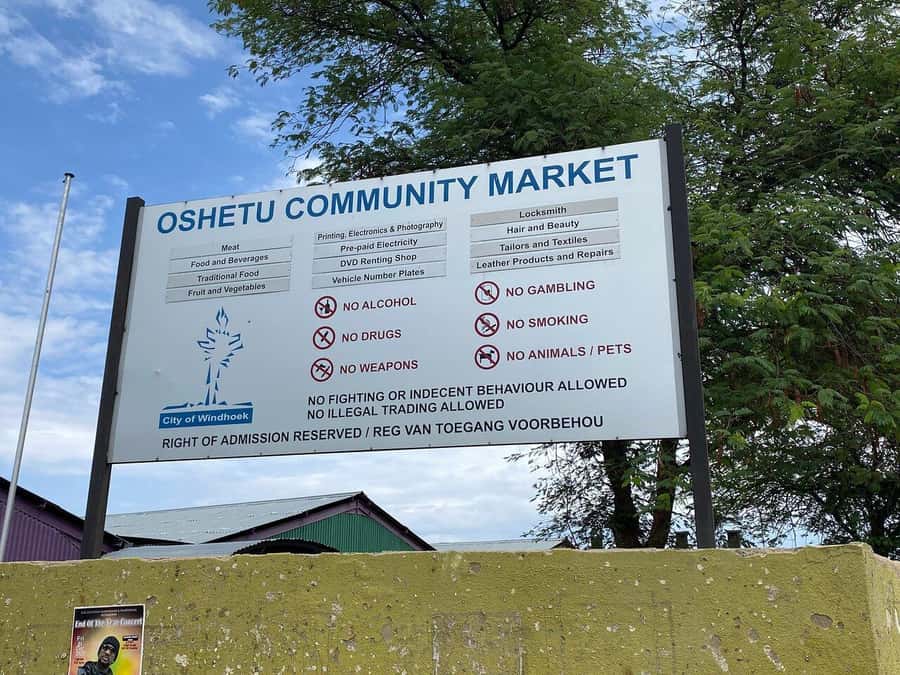
- Township market time in the Single Quarter and Oshetu Local Market area where you can browse and see how people shop and snack
- Guides who explain ingredients and meals clearly, including Helena’s ingredient breakdown and Vicky and Aune’s friendly explanations
- Traditional lunch after Kapana, giving you more variety than just meat on the move
- Private group feel, with examples of solo bookings where conversation still flows
- Transport included with hotel pickup and drop-off in Windhoek Central
More kapana, shebeens and late nights in Windhoek
Pickup in Windhoek Central, Then Out to the Township Food Scene
This tour is built for an easy start. You meet at Windhoek Central and go from hotel pickup to a short drive into the township area connected to Single Quarter for Kapana. The transport is part of the deal, and it is the kind of setup that helps if you want local food without figuring out routes or timing on your own.
Your driver is English-speaking, and they find you at your accommodation through reception or the desk staff, so you are not stuck hunting for a meeting point. You are also moving as a group, which keeps the day calm. In just four hours, the tour packs in Kapana, market browsing, and a traditional meal, so the schedule feels “just enough” rather than dragging.
One practical note: bring camera and cash. Camera for obvious reasons. Cash matters because while mineral water is included, the tour does not include other beverages, and you might want snacks or extras during market time.
Kapana on Open Fire, the Smoky Meat You Eat While It Cooks
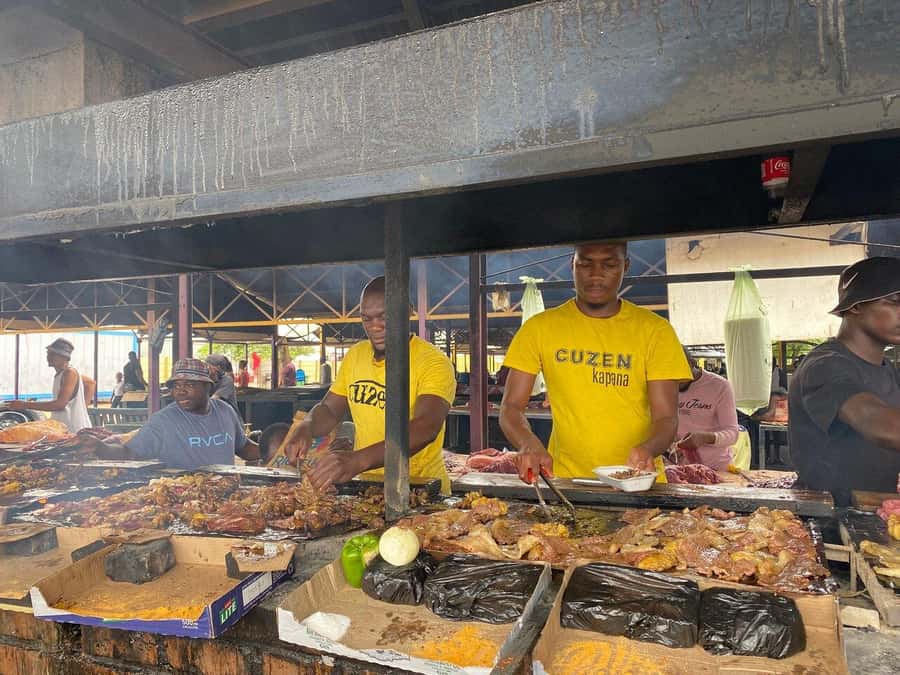
Kapana is the reason this tour exists. Beef is cut into small pieces, grilled over open flames, and sold as it cooks. That means you get a fresh, smoky plate rather than something warmed up after the fact. It is street food, but it is also a craft. The meat is typically seasoned with local spices, and you will usually notice chili heat in the mix.
A big part of Kapana culture is the pace. It is fast food, but it is not rushed. You are there for the smell, the sound of the grill, and the social rhythm of people gathering around the same table or stall. This is why the social experience is one of the most praised parts of the tour. You do not just eat, you watch, you talk, and you learn what to ask for.
The tour also sets you up to make sense of what you are tasting. Guides explain common ingredients and how meals are prepared, which helps if you are new to Namibian flavors. In one example, Helena took time to explain typical meal components and how they are used, and the effect is that you end up eating more intentionally, not just following hunger.
What you can expect on the Kapana portion
- You will head to the township area for Kapana and see grilling over open fire.
- You will be served Kapana as part of the tour.
- You will likely be offered common accompaniments, often including bread rolls and a tomato-onion style relish people call kapana sauce.
- You may see options like Pap (a porridge) and chili sauces for extra heat.
Spice level is not fully spelled out in the details, but chili is mentioned as a typical seasoning and sauce component. If you are sensitive to heat, tell your guide before you order or before you accept add-ons.
- Windhoek: City and Township Tour
★ 4.8 · 430 reviews - Half-Day Windhoek City and Township Cultural Tour
★ 4.5 · 187 reviews - Windhoek: Bushman Walk with the San
★ 4.9 · 145 reviews - 6-Day Dunes and Wildlife Accommodated Safari from Windhoek
★ 5.0 · 123 reviews - Windhoek City Tour
★ 5.0 · 113 reviews
The Township Market Stop, Where Food Meets Daily Life
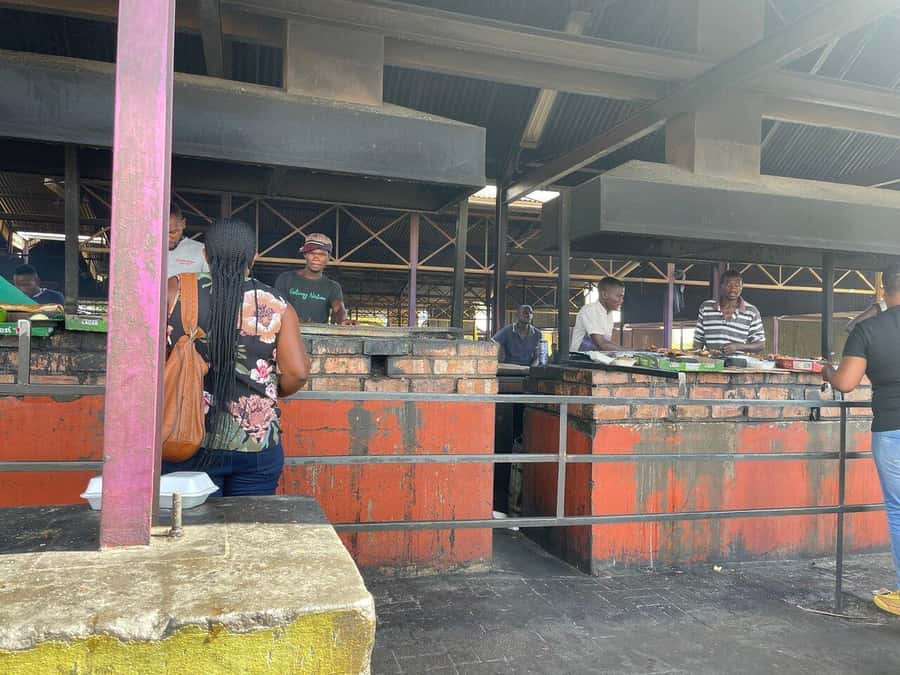
After Kapana, the tour includes a market visit, tied to the Oshetu Local Market area. This part is not just “walk around.” You get a sense of local food rhythms, how people browse, and what kinds of ingredients show up in everyday meals.
Market time is where the tour turns from eating to understanding. Instead of treating food as a product, you see it as a system. Ingredients are displayed. People buy what they need. Snack culture is close by. Even if you do not know the names of items yet, you start learning through context, especially when your guide is willing to explain what you are looking at.
One detail I really like is that you get a chance to talk. Guides like Helena, and the Vicky and Aune pairing on other outings, were praised for taking time to explain ingredients and how preparation connects to local habits. That kind of explanation helps you remember the flavors later, and it also helps you order confidently if you return on your own.
A small realism check: market stops can be a little longer than you expect when you are asking questions or sampling. That is not a problem if you like people-watching and conversation. If you prefer quiet time, just know you will be in a social environment.
Traditional Lunch, More Than Just Kapana After the Smoke
Once the Kapana and market portion wraps, you drive back to a local restaurant for lunch or a dish lineup of traditional foods. This is a crucial second act, because Kapana can dominate your taste memory if that is all you eat. The traditional meal helps you broaden your sense of Namibian cuisine beyond grilled beef.
The traditional restaurant part of the tour is designed for sampling. Based on experiences from other participants, the restaurant tends to offer a wide selection of dishes to try, and portion sizes can be generous. That is good for value, but it also means you will need to pace yourself. If you try everything at once, you will hit your limit fast.
Guides also play a role here. When Helena explained ingredients earlier, you can connect that learning to what shows up in your lunch plate. And with guide pairs like Victoria plus Helena, or Vicky plus Aune, the tone is friendly and conversational, not formal.
A note on drinks
Mineral water is included, but beverages are not included otherwise. Plan for that. If you want soft drinks or something else with lunch, budget for it and bring extra cash.
Price and Value: Why $50 Makes Sense for a Full Food Story
At $50 per person for a four-hour tour, you are paying for more than Kapana bites. You are paying for transport, pickup and drop-off in Windhoek Central, a Kapana portion, a traditional food meal, and mineral water. The math works best when you treat this as a guided food day rather than a quick snack run.
The value also comes from the structure. Getting to the township area and timing Kapana, then market browsing, then lunch in one tight window is not hard with a car, but it is hard without a local guide and a plan. Guides who explain ingredients add real value for first-timers, because the explanations help you translate flavors and customs.
Another point that matters is your experience type. This is a private group tour, which usually means less waiting and more room for conversation. If you end up as the only person on the tour, that can be especially nice because you get individualized attention and you can ask questions freely, like those solo experiences where conversation with guides was a big part of the fun.
Who This Tour Is Best For (and Who Should Skip It)
This tour is a great fit if you want real local street food plus a guided meal that teaches you what you are eating. If you enjoy talking with guides and learning how ingredients connect to day-to-day life, you will likely feel at home here.
It also fits travelers who want a single half-day plan with clear deliverables: Kapana on open fire, market time, then traditional lunch, all with hotel pickup and drop-off.
It is not suitable for vegetarians, plain and simple. If you avoid meat, this is not the day for you. If you are okay with meat but sensitive to spice, tell your guide, and be careful with chili-heavy sauces.
Practical Tips So Your Afternoon Goes Smooth
- Bring cash. Mineral water is included, but other beverages are not.
- Bring your camera, since the open-fire grilling and market scenes are photo-friendly.
- Plan for spice. Chili is part of the flavor profile, so if you are sensitive, ask how hot options are before you load up.
- Pace your lunch. Portions can be generous, so choose what you want most and save room for a couple of key dishes.
- Ask questions early. If your guide mentions ingredients and preparation, it helps to hear it before you eat so you actually taste with understanding.
One more thing: Kapana has a local pride factor. The idea is that if you visit Windhoek, you really should try Kapana at least once. This tour is the easiest way to do it without turning it into a scavenger hunt.
Should You Book This Kapana and Traditional Food Tour?
Book it if you want an organized, four-hour food-focused day that includes Kapana, a township market visit, and a traditional lunch, all with transport and hotel pickup in Windhoek Central. It is especially worth it if you like your sightseeing through food and conversation, not just landmarks.
Skip it if you do not eat meat, want a quiet outing, or prefer a longer sit-down meal with less movement. This is a social, street-to-restaurant kind of afternoon, and that is the point.
If you are on the fence, think of the tour as a shortcut to understanding how Namibian food culture works: how meat is grilled over open fire, how markets feed daily life, and how a broader traditional meal rounds out the story.
FAQ
How long is the Kapana and Traditional Food Tour?
The tour lasts 4 hours.
Where is pickup and drop-off?
Pickup is from Windhoek Central, and you are dropped back at Windhoek Central at the end.
What is included in the tour price?
Included are transport during the tour, pick up and drop off, gas or petrol, Kapana, traditional food, and mineral water.
Are beverages included?
Only mineral water is included. Other beverages are not included.
Is this tour suitable for vegetarians?
No. It is not suitable for vegetarians.
What should I bring?
You should bring a camera and cash.
What language is spoken during the tour?
The driver speaks English.
Is free cancellation available?
Yes. You can cancel up to 24 hours in advance for a full refund.
More Trips Across Namibia
- Windhoek: City and Township Tour★ 4.8 · 430 reviews
- Half-Day Windhoek City and Township Cultural Tour★ 4.5 · 187 reviews
- Windhoek City Tour★ 5.0 · 113 reviews
- 10-Day Namibia Highlights Guided Tour from Windhoek★ 5.0 · 78 reviews
- Windhoek: City Tour★ 4.8 · 31 reviews
More Namibia Reviews
- Windhoek: City and Township Tour★ 4.8 · 430 reviews
- Half-Day Windhoek City and Township Cultural Tour★ 4.5 · 187 reviews
- Windhoek: Bushman Walk with the San★ 4.9 · 145 reviews
- 6-Day Dunes and Wildlife Accommodated Safari from Windhoek★ 5.0 · 123 reviews
- Windhoek City Tour★ 5.0 · 113 reviews
Windhoek After Dark
- Traditional Cooking Class – Mahangu pap for beginners★ 5.0 · 45 reviews
- Lets go Bar Hopping in Windhoek★ 4.5 · 13 reviews
- Windhoek: City & Township tour. Vehicle, guide, kapana★ 4.2 · 4 reviews
- Knight Vibes: Bars, Shebeen, Clubs Crawl Windhoek★ 5.0 · 3 reviews
Other Namibia trips from our own write-ups



Windhoek Kapana & Bar Nights, all of them.
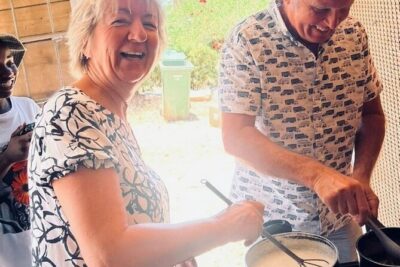 ★ 5.0Traditional Cooking Class – Mahangu pap for beginnersFrom $5645 reviews
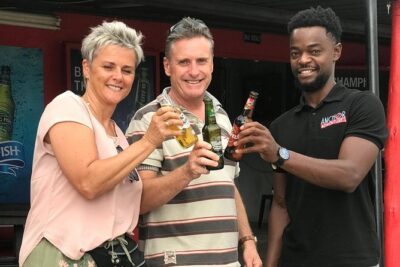 ★ 4.5Lets go Bar Hopping in WindhoekFrom $4013 reviews
 ★ 4.2City & Township tour. Vehicle, guide, kapanaFrom $654 reviews
 ★ 5.0Knight Vibes: Bars, Shebeen, Clubs Crawl WindhoekFrom $113 reviews
This tour also turns up in