
REVIEW · WINDHOEK KAPANA & BAR NIGHTS
Traditional Cooking Class – Mahangu pap for beginners
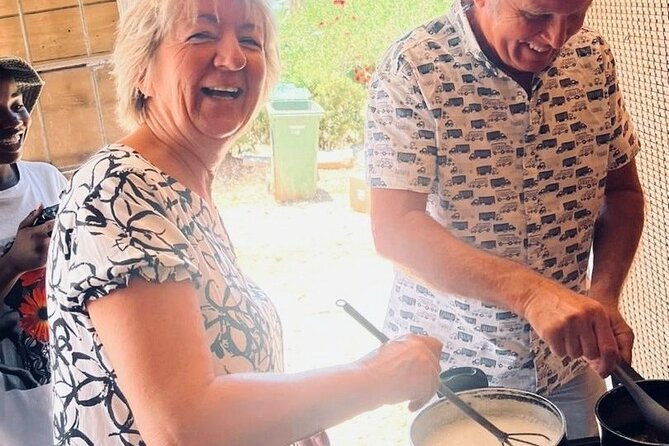
Cook Namibia at home, hands first. This beginner-friendly cooking class turns mahangu pap into a real skill, and I love that it happens in home-style kitchens with local hosts like Linda and Iyaloo, not a sterile demo. The tradeoff is that you may be offered adventurous extras like mopane worms or Smilie goat head, so go only if you are truly game.
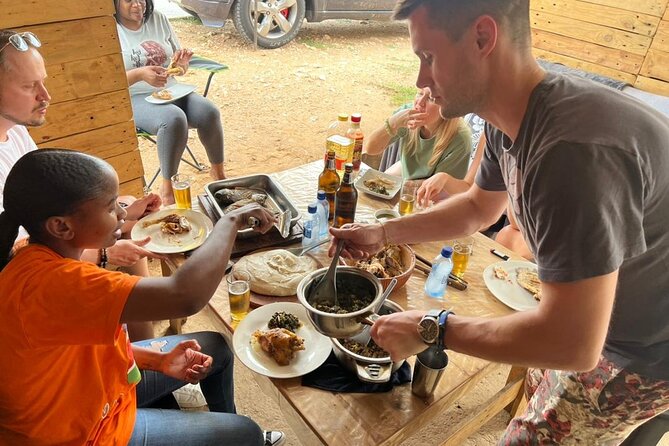
You’ll spend about 3 hours in Windhoek learning how farmers grow and store mahangu in dry conditions, then cooking a full meal from start to finish. The food is practical too: staple porridge, a braai-style meat dish, and options for vegetarian plates with local spinach and marula fruit.
One more thing to consider: alcoholic beverages are not included, so if you want to recreate the full vibe of local beers or traditional drinks at home, budget separately.
In This Review
- Quick hits on this Windhoek cooking class
- Getting there: from Christuskirche in Windhoek to a real home kitchen
- What you learn first: mahangu pap basics for beginners
- Kapana BBQ and braai skills you can repeat later
- Mopane worms and Smilie goat head: choose your comfort level
- Vegetarian plates with spinach and marula fruit
- How you meet Namibians in their homes and why it feels different
- Clean cooking setup and personal guide attention
- What the class includes, and what you’ll still pay for
- Price and value: why $56.99 can make sense
- Who should book this mahangu pap beginner class
- Should you book it? My practical take
- FAQ
- How long does the Traditional Cooking Class take?
- Is pickup offered, and is transportation included?
- Is this tour private?
- What food and drinks are included in the price?
- Are alcoholic beverages included?
- Can vegetarian guests join, and what do they eat?
- Are local delicacies like mopane worms and goat head part of the experience?
- Where does the experience start and end?
- What is the cancellation window for a full refund?
- Are service animals allowed?
Quick hits on this Windhoek cooking class
- Hands-on mahangu pap for beginners, including how millet is used and stored
- Kapana-style grilling with classic beef on a braai (BBQ)
- Clean, lived-in cooking spaces, including stories about electricity and handwashing habits
- Optional local delicacies like mopane worms and Smilie goat head for adventurous eaters
- Vegetarian meals that use local spinach and marula fruit
- Private format so you get personal attention while still sharing the culture
More kapana, shebeens and late nights in Windhoek
Getting there: from Christuskirche in Windhoek to a real home kitchen
This experience starts in central Windhoek near Christuskirche on Robert Mugabe Ave. If pickup is offered for your booking, it makes the class feel easy, like you are simply being taken to someone’s kitchen and invited to learn.
Once you arrive, the tone shifts fast from travel-mode to everyday-life mode. You’re not just watching food get assembled. You’re working beside the people who cook this kind of meal regularly, in Windhoek neighborhoods such as Katutura-style suburbs. That matters, because you leave with a mental map for how Namibian meals actually work, not just recipes for one day.
Timing is also nice. At roughly 3 hours, it’s long enough to cook and eat, but short enough that it doesn’t steal your whole day. Plan for a relaxed pace, not a rushed cooking sprint.
Practical note: it’s a private tour/activity, meaning it’s only your group. That usually translates to fewer waiting turns and more chance to ask questions while you cook.
What you learn first: mahangu pap basics for beginners
Mahangu pap is the star here, and it’s a smart one for beginners because it’s a staple. You’ll start by learning how to make it, then you’ll learn why it’s such a big deal in Namibia.
Mahangu is millet. You’ll get hands-on with the dough or porridge style preparation, and during the cooking you’ll hear about farming and storage of mahangu, including how people manage crops in the Namibian desert. Even if you’re not turning your kitchen into a mini-grain mill, that context helps you understand what you are eating and how the meal connects to seasons, storage, and daily life.
Here’s what I like about teaching mahangu pap first: it gives you a foundation. Once you understand the staple, the rest of the plate makes more sense. The pap isn’t just bread-like or porridge-like comfort food. It’s the base that holds flavors, sauces, and grilled proteins in a way that feels natural once you’ve made it yourself.
Expect plenty of guidance if you’re new to cooking. People describe being able to follow along even without kitchen confidence, and the learning approach seems designed for first-timers.
Kapana BBQ and braai skills you can repeat later
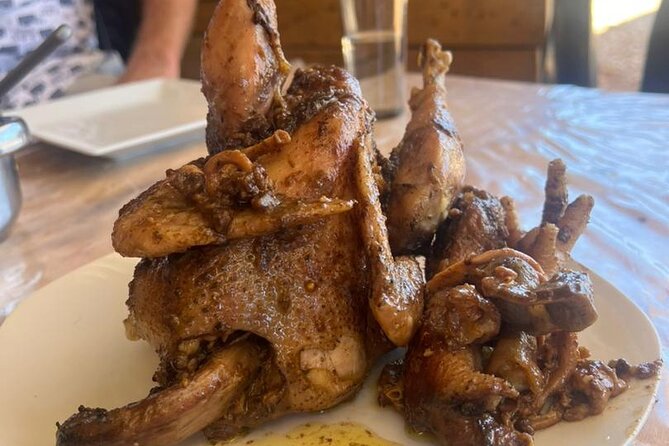
After pap, you move into the grill portion of the class: traditional Namibian braai cooking, using kapana-style methods. You’ll prepare a classic beef dish, grilled in the Namibian way and served as part of your meal.
What’s valuable here isn’t only the flavor. It’s technique. Braai-style grilling rewards attention to timing and heat, and when you’re doing it with a guide, you pick up what to watch for as things cook.
If you want the practical takeaway, focus on these small learn-by-doing moments:
- how the meat is handled before grilling
- how the heat is managed on the braai
- how the dish is plated to match the staple pap
When you eat what you cooked, you immediately connect the steps to taste. That is the part that usually makes cookery classes worth the time, because it turns your notes into real memory.
- Windhoek: City and Township Tour
★ 4.8 · 430 reviews - Half-Day Windhoek City and Township Cultural Tour
★ 4.5 · 187 reviews - Windhoek: Bushman Walk with the San
★ 4.9 · 145 reviews - 6-Day Dunes and Wildlife Accommodated Safari from Windhoek
★ 5.0 · 123 reviews - Windhoek City Tour
★ 5.0 · 113 reviews
Mopane worms and Smilie goat head: choose your comfort level
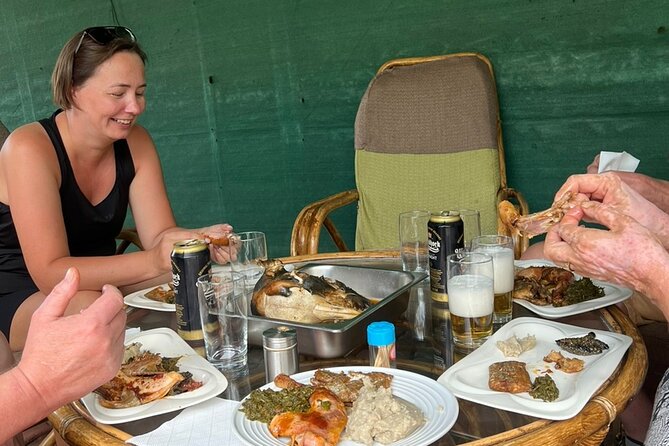
This is where the class can feel extra memorable. Adventurous guests may be offered local delicacies, including mopane worms and goat head, sometimes called Smilie.
You do not have to treat this like a dare. The best approach is to ask what it is, how it’s prepared, and what part of the dish you are tasting. If you’re curious, try a small portion and let the flavors speak. If you’re not, stick with the pap and main dishes, because the core value of the class is the staple cooking skill.
A useful tip if you are on the fence: decide in the moment. Once you are sitting at the table, you’ll have already cooked most of your meal. That makes it easier to say yes or no without the pressure of a full-course commitment.
From what’s been shared by other participants, there can also be other local seafood or protein dishes on offer depending on the session. The main through-line stays the same: you cook and taste a Namibian plate, then learn what makes it local.
Vegetarian plates with spinach and marula fruit
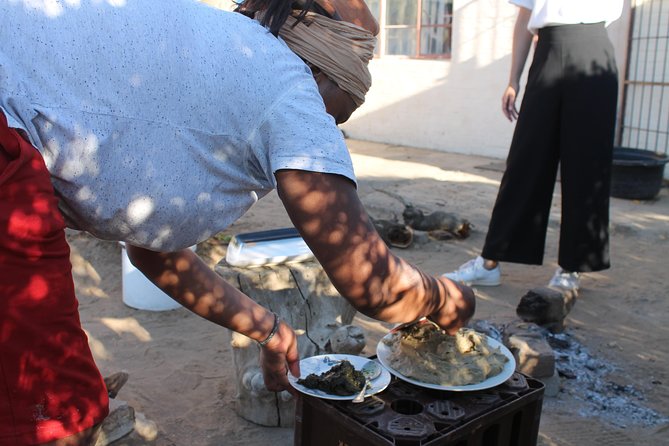
If you prefer vegetarian food, this class can adapt. Vegetarian options may include local spinach and marula fruit, which keeps the menu rooted in what grows and gets used locally.
One thing I’d keep in mind: vegetarian menus still tend to reflect local cooking patterns. That means you might get a mix of cooked greens, fruit elements, and sides that pair with pap rather than a single, familiar Western substitute.
If you’re vegetarian and you care about getting a full, satisfying plate, ask early what the veggie menu will include for your date. With local cooking, the best results come from matching the ingredients available to the meal style your host plans to teach.
How you meet Namibians in their homes and why it feels different
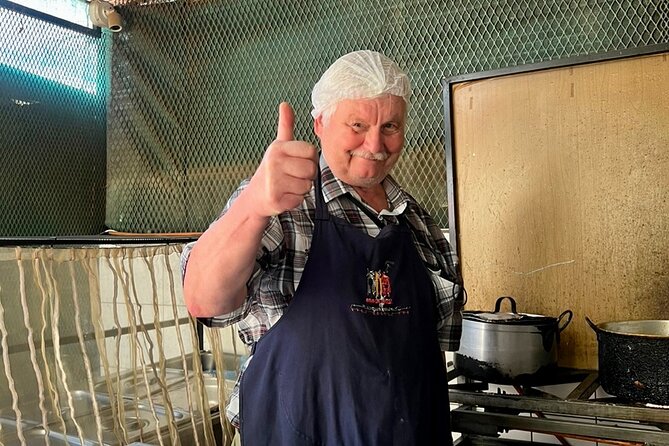
The heart of this experience is the setting. You’re not eating in a generic restaurant, and you’re not doing a script. You’re meeting Namibians in their homes, exchanging stories, and sharing the moment like a visitor invited into everyday life.
Expect conversation over local beverages and traditional drinks. Alcoholic beverages are not included in the class price, so if someone offers beer or something similar, treat it as optional and pay attention to what’s part of your ticket versus what’s extra. Still, even without alcohol, the social part lands because you’re sitting with people who cook these meals regularly.
This is also a class where kids are welcome. That tells you something about the vibe. It’s meant to be a normal family or neighborhood activity, not an overly formal performance.
Clean cooking setup and personal guide attention
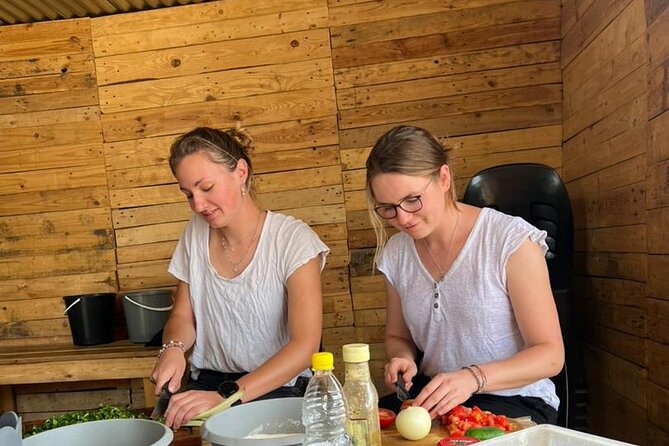
I care about hygiene in home-based food experiences, and this one gets positive notes for cleanliness. People describe clean prep spaces, electricity that supports basic kitchen needs such as a working fridge, and solid handwashing habits.
The pace also supports beginners. You’re not tossed into a chaotic crowd. In a private format, you can ask questions as you go, and it feels more like coaching than like a cooking factory.
If you do not call yourself a cook, this is the kind of class that helps you build confidence. The goal is not culinary perfection. The goal is understanding the staple and leaving with the ability to cook it again later.
What the class includes, and what you’ll still pay for
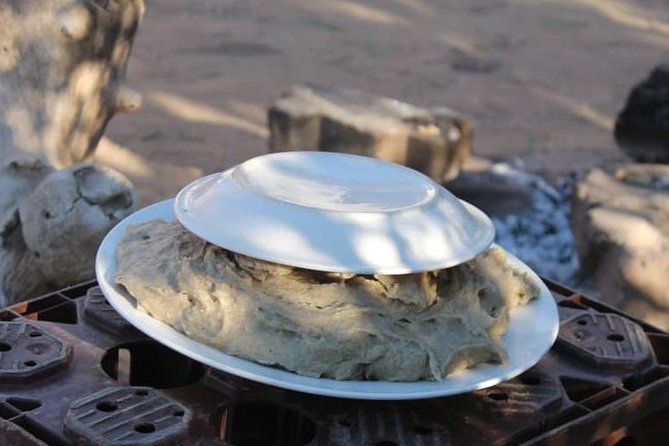
For the price, you’re covered for the meal experience. Included in the class price are snacks, soda/pop, lunch, bottled water, and private transportation. That’s a big part of the value, because you’re not only paying for the cooking instruction. You’re paying for the ingredients, the cooking time, and the meal that follows.
What’s not included is alcohol. Plan for soft drinks, water, and non-alcoholic items as part of the ticket, and treat anything alcoholic as separate.
Also worth noting: group discounts may apply if you are traveling with more people. If you have a small group, this can bring the per-person cost down while keeping the private feel.
Price and value: why $56.99 can make sense
At $56.99 per person for about 3 hours, the price looks fair only if you consider what you are getting. You are paying for:
- hands-on instruction for a staple (mahangu pap)
- braai-style meat grilling practice (kapana method)
- a full included lunch, plus snacks and drinks
- private transportation to and from the activity start area
Many food tours charge extra for tasting portions that don’t teach you enough to repeat at home. Here, the value is in leaving able to cook something real, not just having had a nice meal.
One more planning detail: this type of experience tends to be booked about 18 days in advance on average. If you’re traveling during busy dates, reserve earlier so you can lock in your preferred time.
Who should book this mahangu pap beginner class
This is a great fit if you want Namibian food culture without the tourist bubble.
You’ll especially enjoy it if:
- you love hands-on learning and want real cooking skills
- you want to understand mahangu as a staple, not just a dish name
- you’re curious about how farming and daily meals connect in a desert environment
- you like social travel, story swapping, and eating with locals
It may not be your best choice if:
- you strongly dislike trying unfamiliar foods offered as optional delicacies
- you only want a completely predictable, mild menu with no extras
It’s also family-friendly, and it works for solo travelers who prefer personal attention. Since it’s listed as private, you are not squeezed into a large group.
Should you book it? My practical take
Yes, I think you should book it if your goal is to learn the staple and eat a real Namibian plate in a home setting. The mahangu pap focus is beginner-friendly, and the combination of pap plus braai-style cooking gives you more than one take-away.
If you are an adventurous eater, the potential extras like mopane worms and Smilie goat head add a memorable edge. If you are cautious, you can still build a full meal around the pap and main dishes, and you will come away with useful kitchen skills.
My call: book this when you want a cultural meal with hands-on instruction. Skip it only if you know you do not want any chance of tasting unusual local items.
FAQ
How long does the Traditional Cooking Class take?
It runs for about 3 hours.
Is pickup offered, and is transportation included?
Pickup is offered, and private transportation is included in the experience.
Is this tour private?
Yes. It is a private tour or activity, so only your group participates.
What food and drinks are included in the price?
Snacks, soda or pop, lunch, and bottled water are included.
Are alcoholic beverages included?
No. Alcoholic beverages are not included in the class price.
Can vegetarian guests join, and what do they eat?
Vegetarian options are available, including local spinach and marula fruits.
Are local delicacies like mopane worms and goat head part of the experience?
Adventurous guests may have the opportunity to try delicacies such as mopane worms and goat head (Smilie).
Where does the experience start and end?
It starts near Christuskirche on Robert Mugabe Ave in Windhoek and ends back at the same meeting point.
What is the cancellation window for a full refund?
You can cancel up to 24 hours in advance for a full refund.
Are service animals allowed?
Yes. Service animals are allowed.
More Namibia Reviews
- Windhoek: City and Township Tour★ 4.8 · 430 reviews
- Half-Day Windhoek City and Township Cultural Tour★ 4.5 · 187 reviews
- Windhoek: Bushman Walk with the San★ 4.9 · 145 reviews
- 6-Day Dunes and Wildlife Accommodated Safari from Windhoek★ 5.0 · 123 reviews
- Windhoek City Tour★ 5.0 · 113 reviews
Windhoek After Dark
- Kapana & Traditional Food Tour; A Namibian Experience★ 4.8 · 21 reviews
- Lets go Bar Hopping in Windhoek★ 4.5 · 13 reviews
- Windhoek: City & Township tour. Vehicle, guide, kapana★ 4.2 · 4 reviews
- Knight Vibes: Bars, Shebeen, Clubs Crawl Windhoek★ 5.0 · 3 reviews
Other Namibia trips from our own write-ups



Windhoek Kapana & Bar Nights, all of them.
 ★ 4.8Kapana & Traditional Food Tour; A Namibian ExperienceFrom $5021 reviews
 ★ 4.5Lets go Bar Hopping in WindhoekFrom $4013 reviews
 ★ 4.2City & Township tour. Vehicle, guide, kapanaFrom $654 reviews
 ★ 5.0Knight Vibes: Bars, Shebeen, Clubs Crawl WindhoekFrom $113 reviews
This tour also turns up in