
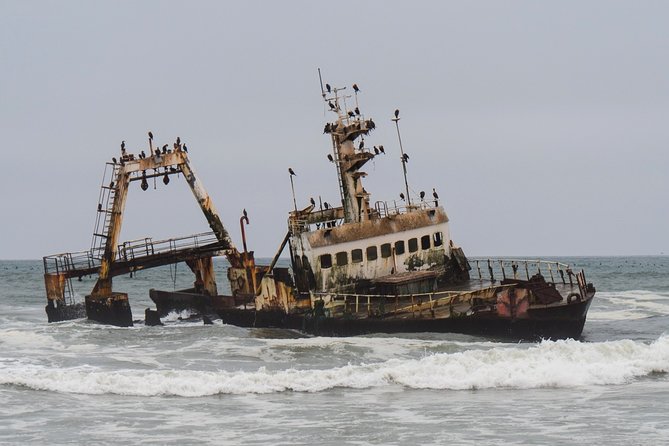
REVIEW · SAFARI
7 Day Taste of Namibia Lodging Safari
Namibia moves fast, and so does this safari. In just a week, you get wildlife conservation at N/a’an ku se, then Etosha and the desert-country classics that make Namibia feel huge. This is a small-group, lodging safari that packs big views and real animal moments into a tight time frame.
I love the start at N/a’an ku se, where you see rehabilitation up close and you even get a carnivore feeding experience. I also love how the Etosha days are run early, so you are out when the park is fresh, before heat makes animals disappear.
One thing to consider: this itinerary is fast-paced and you will do early mornings plus a lot of driving. If you want slow travel and long sleep-ins, plan for some compromises.
In This Review
- Key highlights to know before you go
- Meeting in Windhoek, then getting straight into Namibia mode
- N/a’an ku se Wildlife Sanctuary: rehab that shows both hope and limits
- Etosha in two days: the Great White Space and the waterhole pull
- Damaraland and the Skeleton Coast route: big-sky drives with real stops
- Swakopmund to the Tropic of Capricorn: passes, pans, and Kuiseb canyon views
- Sesriem and Sossusvlei: pre-dawn starts for dune light that actually glows
- Solitaire cheetah project and the apple pie finish
- Lodges, meals, and comfort in a small-group safari
- Price and value: what you pay for, and what you avoid paying for
- Who should book, and who might want a different pace
- Should you book the 7 Day Taste of Namibia Lodging Safari?
Key highlights to know before you go
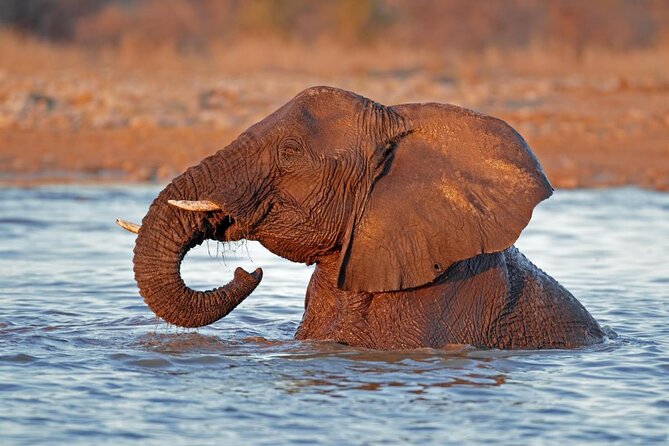
- N/a’an ku se Wildlife Sanctuary first: rehab, release attempts, and animals that can’t go back to the wild
- Etosha sunrise focus: two full days chasing predators and prey when sightings are most likely
- Big deserts, big scale: Etosha’s salt pan and the Namib-dune light that photographers wait for
- On-the-road culture moments: Damaraland routes often include roadside stalls and people in traditional dress
- Sossusvlei timing: pre-dawn starts so the dunes glow in orange and apricot light
- A cheetah finale in Solitaire: open-vehicle conservation work plus the famous apple pie stop
Other safari runs we have written up
Meeting in Windhoek, then getting straight into Namibia mode
Your trip begins in Windhoek at Chameleon Safaris on Ferry Street, with a listed start time of 1:30 pm. After that, the rhythm turns practical and early. On Day 2, you’re collected from your Windhoek lodging within the city limits at 07:00, then you head out north with a short pre-departure meeting at Chameleon Safaris HQ.
This is the kind of tour where the schedule is doing you a favor. Early departures matter in Namibia, especially for game drives, because animals move smarter and the light is better. Also, the vehicle is air-conditioned, which helps on long drives when the day outside is hot and dry.
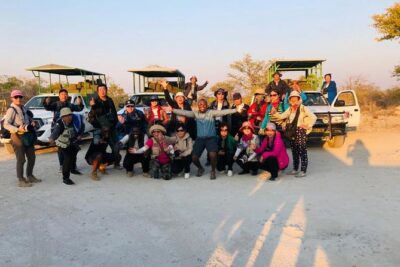
Group size is capped at 10, and that tends to keep things smoother than the big-bus style. It also means you will feel closer to your guide and the people in your vehicle, which is nice when you spend many hours on gravel roads.
N/a’an ku se Wildlife Sanctuary: rehab that shows both hope and limits
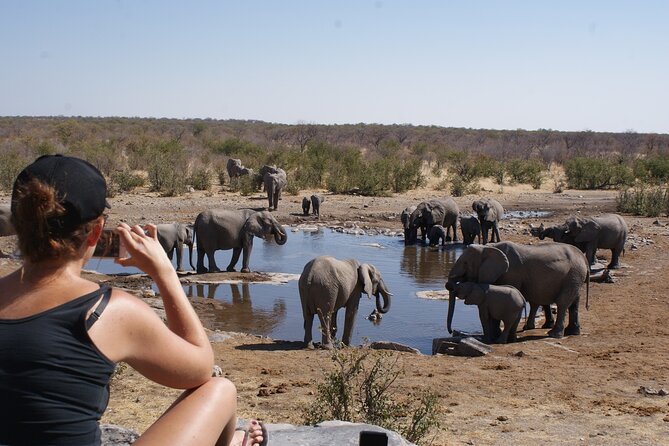
Day 1 is built around N/a’an ku se Wildlife Sanctuary, about 50 km east of Windhoek. This place is dedicated to rehabilitating sick, injured, and orphaned animals, with the goal of reintroducing them to the wild. The reality is sharper than a feel-good slogan: sometimes animals cannot regain the skills needed to survive out in the real world.
What makes this stop powerful is that you learn the difference between restoration and permanent care. Some animals get a kind of early retirement at the sanctuary, where they can live safely even if release is not possible. That shift in perspective is worth it, because later in Etosha and the dunes, you’ll be watching animals with a deeper understanding of what conservation really costs.
You also get admission included and the agenda includes carnivore-focused time at the sanctuary. Even if you are not a big-animal person, this is a meaningful start because it frames the whole week as more than sightseeing.
Possible drawback: you won’t have time to linger slowly. This is a tour day, not a half-day volunteer program. Still, it is one of the best ways to launch a Namibia wildlife week without skipping the conservation part.
Etosha in two days: the Great White Space and the waterhole pull
Etosha National Park is the centerpiece for wildlife watching, and your schedule reflects that. On Day 2, you drive north from Windhoek, stop briefly at Otjiwarongo for last-minute supplies, and reach Halali Camp for the night. Day 3 is your full-on Etosha day.
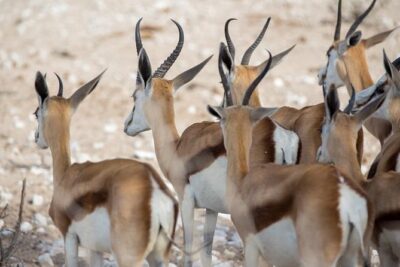
Etosha is known for its immense pan, often called the Great White Space. It’s so huge it can be seen from space, and when you hear the scale, it changes how you interpret what you see. This park is desert country where water is scarce, so animals cluster around the places that can keep them alive.
That is why the morning plan matters. The gates open at sunrise, and you aim to be out right as the sun clears the horizon. Early game drives are typically when big cats are returning from hunts, and it’s also when animals tend to be most active. Then you come back for breakfast, load the vehicle, and head out again later in the day for a second push.
What I like about this setup is that it gives you more than one chance. Wildlife is never guaranteed, but two drives in a day lets you adjust based on what you saw earlier. If you miss something on the first round, you can catch it on the second.
One more practical note: Etosha can feel quiet in the wrong weather or wrong time of year, but the waterhole concept keeps it interesting. You are not just hoping for luck, you are working with how the park functions.
Other week long circuits of Namibia
- 7 Day Southern Namibia and Sossusvlei Camping Safari
★ 5.0 · 26 reviews - 7 Day Northern Namibia and Skeleton Coast Camping Safari
★ 5.0 · 19 reviews - 7 Day – Kalahari TOP attractions
★ 5.0 · 10 reviews
Damaraland and the Skeleton Coast route: big-sky drives with real stops
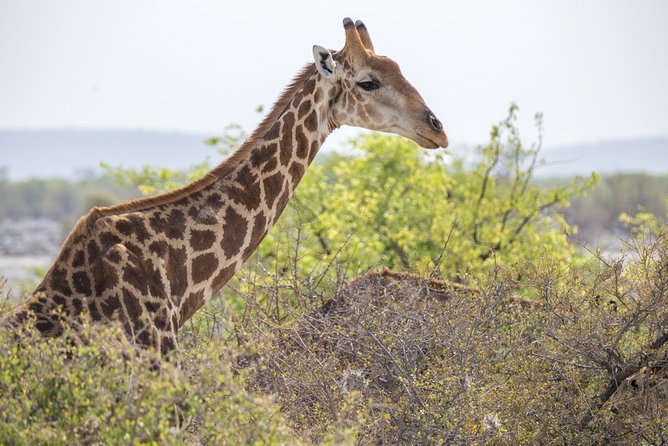
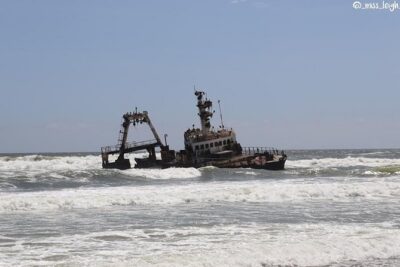
Day 4 turns toward Damaraland, then sets you on the broader road toward the Skeleton Coast area. After breakfast, you aim to leave around 07:30, and the day is framed as a scenic route, not a rushed straight line.
This is where Namibia starts feeling different. You leave the classic wildlife rhythm and swap it for vast terrain and changing rock shapes. The route passes through Outjo and then onto gravel roads in Damaraland. It’s a long day on the road, but the payoff is the sense of scale, plus the chance to see how communities live along the route.
The overview for this tour specifically calls out time through Damaraland and along roads where you might meet locals, including Himba, Herero, and Damara people, sometimes in traditional dress and often at roadside stalls. You can also catch glimpses under the shadow of Namibia’s highest mountain, The Brandberg.
Not every day includes a stop that feels like a curated cultural visit, and you should expect the moment to be brief. But that is also the point. You see people as part of everyday life, not as staged entertainment.
If you get motion-sick, bring your usual remedies and take it seriously. Gravel roads plus long stretches in the vehicle are real here.
Swakopmund to the Tropic of Capricorn: passes, pans, and Kuiseb canyon views
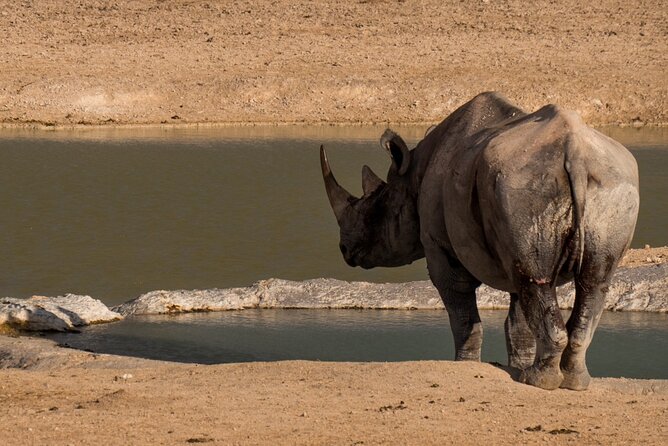
Day 5 is where the scenery shifts again. You depart Swakopmund in mid-morning and head east into desert terrain, crossing Namib gravel plains and passing large mountain inselbergs. This is the kind of day where you start noticing how rock and color do the storytelling.
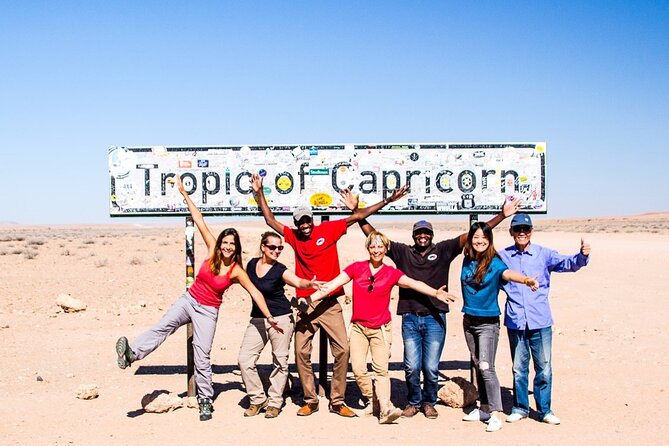
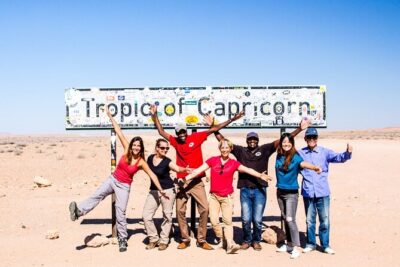
You also get the Tropic of Capricorn sign as a stop, a small moment on the map that actually helps you feel the latitude and the dry, wide-open setting. Then the day leans into driving and viewpoints, with two mountain passes to traverse.
One is Kuiseb Pass. You follow the road from the top of the mountains, dropping steeply down into a canyon carved over eons by the Kuiseb River before it debouches into the ocean near Walvis Bay. Even if you only catch part of the canyon from the road, the scale is striking. The canyon walls create instant depth, which makes photos look more dramatic than you expect from a roadside viewpoint.
Practical tip for this day: keep water handy even if the tour does not include snacks between meals. The itinerary includes meals, but there are plenty of stretches where you might not want to stop for every need.
Also, if you are sensitive to heights or narrow road edges, take it slow mentally. The driving is handled by the guide, but the views are still real.
Sesriem and Sossusvlei: pre-dawn starts for dune light that actually glows
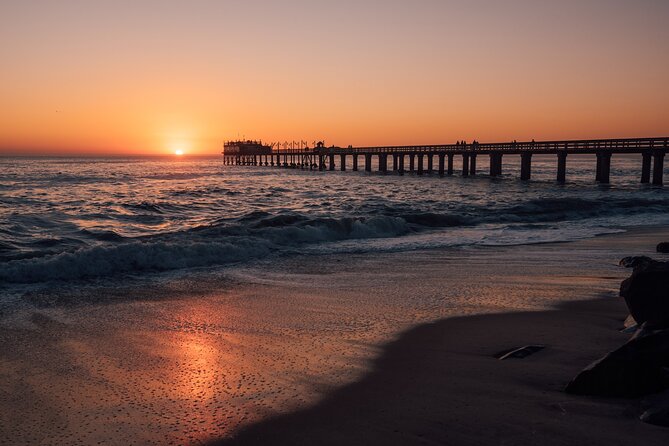
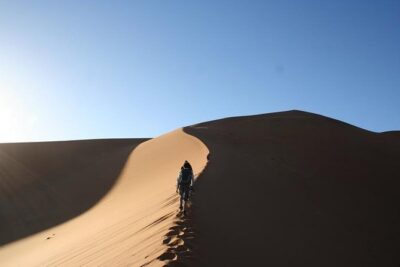
Day 6 is the photography day most people dream about. You start at sunrise, which for dunes means pre-dawn wake-up and an early breakfast before you go out to shoot and explore.
Sossusvlei dunes are at their best when the light is low. The description for the day calls out colors like glowing orange and apricot red on one side, with the other side in shadow. That contrast is why people get up early. It’s not just pretty, it also shows the shape of the dunes and the fine textures you miss in midday.
This day is also scheduled as a shorter block in the itinerary, about 5 hours. That makes sense because the goal is timing, not endless wandering. You want to be in the right place during the right window, then you move on.
One drawback to flag: since this is about light and timing, you should be ready to follow a strict schedule. If you hate early mornings in general, this will be the hardest day of the week.
If you do love sunrise color, this is your big pay-off. The guide and vehicle timing help you get to the dunes when they are at their most photogenic.
Solitaire cheetah project and the apple pie finish
Your last day is built around a local conservation project in Solitaire. You head back to Solitaire, then join an open vehicle outing to visit a cheetah project. The key idea here is that some cheetahs cannot be released back into the wild, for different reasons, so the focus shifts to care, learning, and conservation work.
This is a strong finale because it circles back to Day 1. You start with wildlife rehabilitation and end with animals that live in a long-term human-managed conservation setting. It makes the week feel cohesive, not like random stops.
You’ll learn about the cheetah and the work done by the local project, and you get a chance for close-up photos from the open vehicle. Cheetahs are fast, but even without sprinting, their body language is captivating to watch.
Then you finish with something practical and fun, apple pie at the homestead that made Solitaire famous. It’s simple, but it gives your brain a break after a week of early starts and long drives.
Lodges, meals, and comfort in a small-group safari
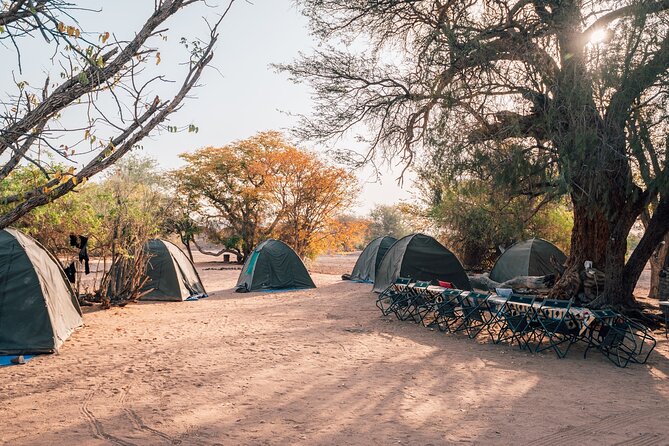
You stay 6 nights in twin share rooms with en-suite bathrooms. Lodging quality varies by region, but the key point here is the comfort baseline: you have private bathrooms, and you’re not scrambling to find basic facilities after dusty days.
Meals are included as breakfast, lunch, and dinner across the week. Lunch is often handled as a packed or planned meal while you are on the move, especially around the Etosha travel day. The tour also notes that snacks between meals are not included, and that matters. Namibia days can wear you down fast, so I’d plan for water and small snacks even if you never need them.
One more comfort factor is transportation. You’re in an air-conditioned vehicle, and you do game drives in a Chameleon vehicle. For the cheetah outing, you use an open vehicle, which is part of why the experience is memorable, but it also means you should bring sun protection and something warm for morning if the air feels cool.
The most consistently praised part in the guide culture is how smoothly these details get handled. Guides like Chilo, Greg, Kennedy, Gideon, and Tulimo are named for calm driving, attention to group needs, and keeping the schedule moving without chaos. That is exactly what you want on a week like this, where time matters.
Price and value: what you pay for, and what you avoid paying for
At $2,543.82 per person for 7 days, this is not a cheap safari. But it’s priced like a fully managed highlights circuit, not like DIY travel where you rent cars, arrange transfers, and buy entry fees yourself.
Here’s what you get included that usually costs extra if you plan it alone:
- 6 nights in en-suite rooms
- Most meals (breakfast, plus lunches and dinners listed across the week)
- National park entry fees for Etosha and the Sossusvlei day
- Game drives while in Etosha
- The Sossusvlei excursion, including a 4×4 shuttle
- Carnivore feeding at N/a’an ku se
- The cheetah activity at Solitaire
- Return airport transfers
- A professional English speaking guide
- Air-conditioned vehicle transport
The included parts add up because Namibia’s distances are real. You’re paying for time saved, and time saved usually means you get to be at the right places at the right hours.
What’s not included is also clear: optional activities, personal travel insurance, and snacks, plus water and tips. If you plan your budget for those, you can keep the cost controlled.
Who should book, and who might want a different pace
This tour is a great fit if you want a high-impact week that covers Namibia’s big-name regions: Etosha, the dunes around Sossusvlei, and the desert routes through Damaraland and toward the Skeleton Coast corridor.
It also fits you if you like wildlife, and you especially like wildlife conservation angles. Starting at N/a’an ku se and ending at the cheetah project in Solitaire gives you a through-line about animal welfare.
It may not be the best choice if you want more rest days or longer stays in one place. This itinerary uses driving days to connect regions, and you will feel that. If you get antsy in a vehicle, plan for it.
Physical fitness needs are described as moderate. That usually means you should be comfortable with walking around lodges and viewpoints, and handling early morning starts, without expecting big hikes.
Should you book the 7 Day Taste of Namibia Lodging Safari?
I think you should book this tour if your goal is a sharp, well-run Namibia highlights week with wildlife and dunes, plus conservation that feels grounded. The value sits in the included logistics, entry fees, and timed experiences, especially sunrise Etosha and the pre-dawn Sossusvlei plan.
You might skip or choose a slower version if you dislike early wake-ups or you know you get worn out by long drives. This itinerary does not pretend you will lounge all day. It’s designed for seeing, learning, and moving.
If you want the desert to feel huge and wildlife to feel meaningful, this is a strong bet.
A Week in Namibia
- 7 Day Southern Namibia and Sossusvlei Camping Safari★ 5.0 · 26 reviews
- 7 Day Northern Namibia and Skeleton Coast Camping Safari★ 5.0 · 19 reviews
- 7 Day – Kalahari TOP attractions★ 5.0 · 10 reviews
Safaris We Have Been On
- 6-Day Dunes and Wildlife Accommodated Safari from Windhoek★ 5.0 · 123 reviews
- 12 Day Classic Namibia Camping Safari★ 5.0 · 77 reviews
- 3 Day Sossusvlei Budget Camping Safari★ 5.0 · 62 reviews
- 6 Day Sand, Sea & Etosha Budget Camping Safari★ 5.0 · 36 reviews
- 7 Day Southern Namibia and Sossusvlei Camping Safari★ 5.0 · 26 reviews
More Namibia Reviews
- Windhoek: City and Township Tour★ 4.8 · 430 reviews
- Half-Day Windhoek City and Township Cultural Tour★ 4.5 · 187 reviews
- Windhoek: Bushman Walk with the San★ 4.9 · 145 reviews
- 6-Day Dunes and Wildlife Accommodated Safari from Windhoek★ 5.0 · 123 reviews
- Windhoek City Tour★ 5.0 · 113 reviews
Other Namibia trips from our own write-ups


Safari, all of them.
 ★ 5.06-Day Dunes and Wildlife Accommodated Safari from WindhoekFrom $2,127123 reviews
 ★ 5.0ETOSHA PARK SAFARI with local guides in 9-seater 4x4sFrom $12787 reviews
 ★ 5.012 Day Classic Namibia Camping SafariFrom $3,07177 reviews
 ★ 5.03 Day Sossusvlei Budget Camping SafariFrom $63262 reviews
 ★ 5.03 Day Etosha Budget Camping SafariFrom $63437 reviews
 ★ 5.06 Day Sand, Sea & Etosha Budget Camping SafariFrom $1,35536 reviews
 ★ 5.0Safari in Etosha national park with professional tour guides born in Etosha.From $12732 reviews
 ★ 5.07 Day Southern Namibia and Sossusvlei Camping SafariFrom $1,84626 reviews
This tour also turns up in