

REVIEW · KATUTURA & MONDESA TOWNSHIP WALKS
Swakopmund:Mondesa Cultural Township Tour
Mondesa turns history into street-level conversation. You’ll ride in with a private guide and spend a half day mingling with residents, plus catching a live Acapela performance along the route.
I like two things a lot: the Mondesa-rooted local guidance that makes explanations feel grounded, and the chance to share a meal in a family home where you can try real township favorites. The food is a highlight on its own, with dishes like ondjuhwa, omagungu, and mahangu porridge served as part of the experience.
One thing to consider is comfort and mobility. This tour involves walking and time outdoors, so it’s not suitable for pregnant women or people with back problems.
In This Review
- Key things to look forward to
- Entering Mondesa Through the People, Not the Performance
- Hotel Pickup and a Tight 3-Hour Plan That Actually Works
- OB Street: Homes, Schools, and Real Talk in a Daily-Living Setting
- A Small Home Craft Market Stop for Local Art, Not Mass Souvenirs
- DRC Resettlement and Housing Projects You Can See Up Close
- Nama Herbalist Visit: Learning About Traditional Knowledge
- Herero Culture and Dress, Only on Afternoon and Weekend Tours
- Shebeen Drinks and the Taste Test at a Family Home
- What to Bring, What to Skip, and How to Keep It Comfortable
- Language Support: English and German Guidance You Can Follow
- Price and Value for an $80 Private Cultural Half-Day
- Who This Tour Is Best For (and Who Should Skip It)
- Should You Book the Swakopmund Mondesa Cultural Township Tour?
- FAQ
- How long is the Mondesa Cultural Township Tour?
- Is this tour private, and what languages are available?
- Do I get picked up from my hotel, and is transport included?
- What’s included in the price besides the guide and transport?
- What foods can I expect to try during the family home meal?
- What should I bring, and what is not allowed?
- When can I cancel, and is it flexible to book now?
- Is the tour wheelchair accessible, and is it suitable for everyone?
Key things to look forward to

- Pickup from your hotel so you avoid navigating the start on your own
- OB Street stroll with conversations about daily life, homes, and schools
- Live Acapela performance as a memorable cultural moment
- Nama herbalist stop plus a Herero culture and dress discussion on afternoon and weekend tours only
- Shebeen drinks and a family-home tasting with ondjuhwa, omagungu, mahangu porridge, and wild fruits
- Small home craft market with artists selling local crafts, and souvenirs not being included in the price
More walks through Katutura and Mondesa with local guides
Entering Mondesa Through the People, Not the Performance
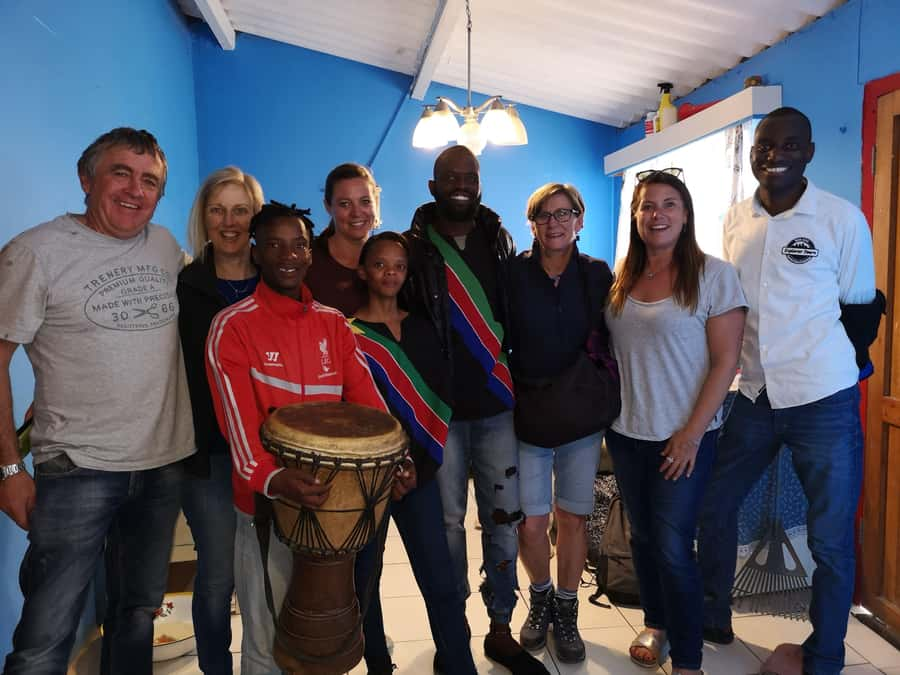
What makes the Swakopmund: Mondesa Cultural Township Tour special is how it treats culture as something lived, not staged. You’re not just looking from the outside. You’re walking, chatting, and learning in a setting where community life shapes the whole day.
This is also a good fit if you like your cultural travel practical. Instead of only hearing facts, you’ll see typical homes and schools as you move along OB Street. You’ll hear a brief overview of Mondesa’s history too, but the focus stays on how people live now.
I especially like that you get a private guide for the 3 hours. That matters in townships, where the pace is human-sized, not factory-tour timed. It also gives you a better shot at conversation, not just listening.
Hotel Pickup and a Tight 3-Hour Plan That Actually Works
The tour runs for 3 hours, and you get picked up straight from your hotel accommodation. That shortens the mental load, especially if you’re already tired from a long morning in Swakopmund.
The schedule is built as a sequence of stops, but it still feels like a half-day stroll. You start with a drive out to Mondesa Township, then you move through key areas on foot and by car as needed. Transport is included, so you’re not left wondering how to get between points.
If you have limited time, this format is a win. It gives you access to multiple cultural elements in one outing: street life, crafts, housing improvements, and food. You also get both a live guide and an audio guide in English and German, so you can follow along even if the conversation gets fast.
OB Street: Homes, Schools, and Real Talk in a Daily-Living Setting
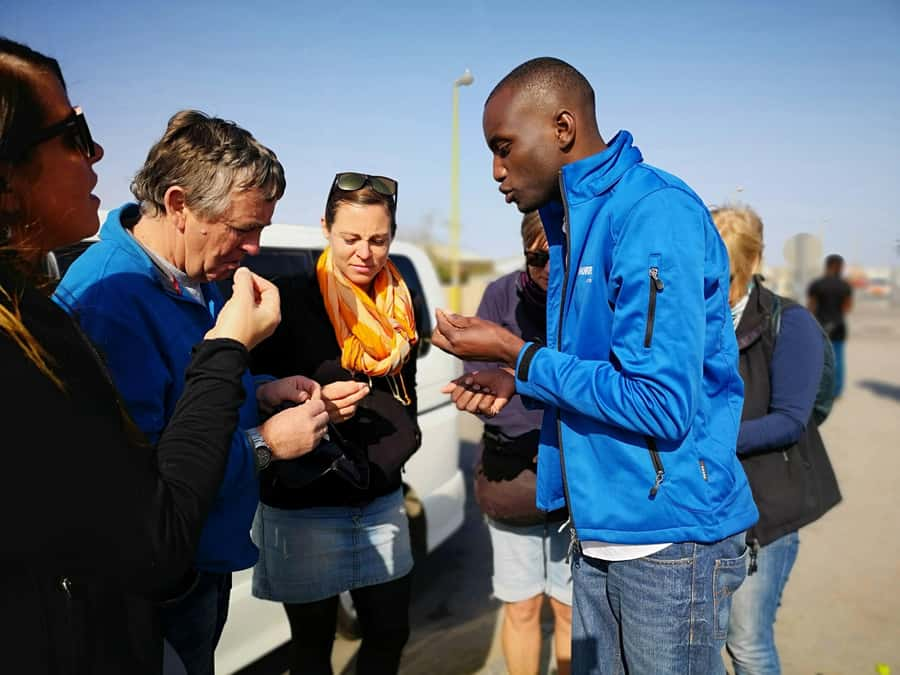
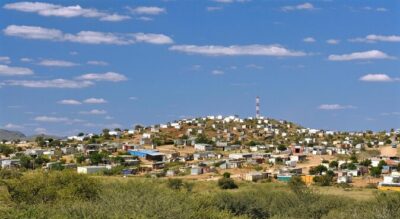
One of the main segments is a stroll down OB Street. That’s where the tour shifts from driving to human scale. You’ll get a fascinating glimpse into a typical Namibian township, with the opportunity to chat to local residents as you go.
I like this part because it’s visual and social at the same time. You see what’s around you, and you can ask questions as you notice details. That mix helps you avoid the common problem of sightseeing that feels like you’re ticking boxes.
You’ll also view typical homes and schools during this section. Even if you’re not an architecture person, these everyday structures tell you how the community functions. They also give context for the later stops, like the housing projects you’ll see in the next area.
Tip: wear comfortable shoes. OB Street walking is not the kind of stroll where you can rely on perfectly even pavement.
- Walvis Bay: Marine Big 5 Luxury Catamaran Tour
★ 4.8 · 1,012 reviews - Swakopmund: Desert Dunes Quad Biking with Optional Sandboard
★ 4.9 · 590 reviews - Walvis Bay and Sandwich Harbour Tour
★ 4.8 · 483 reviews - Scenic Sandwich Harbour Tour
★ 5.0 · 277 reviews - Sandwich Harbour Adventure: Seals and Sandwich harbour dune drive
★ 5.0 · 165 reviews
A Small Home Craft Market Stop for Local Art, Not Mass Souvenirs
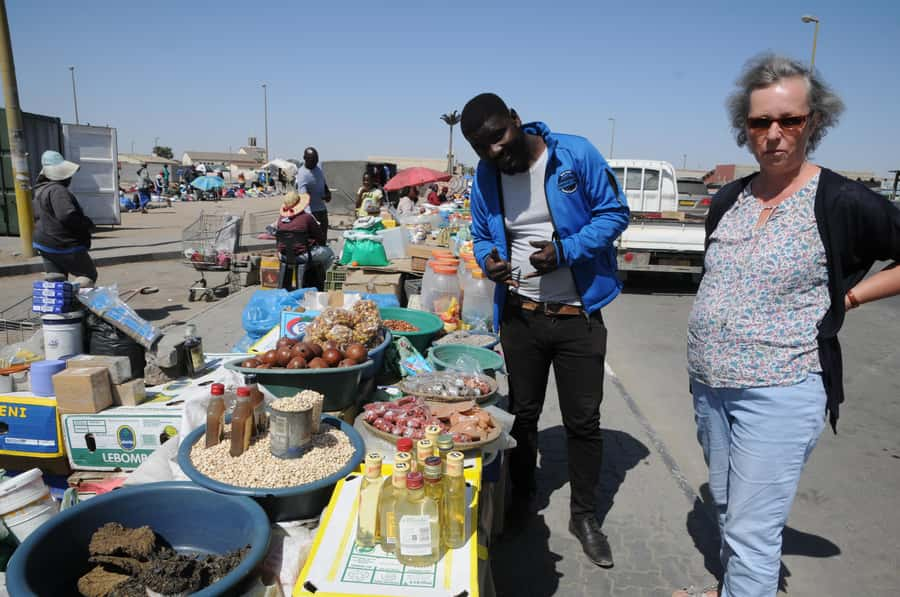
Midway through the experience, you stop at a small home craft market. This is where different artists’ crafts are on offer, and it’s a more personal alternative to buying souvenirs at a standard shop.
Because souvenirs are not included, you’re in charge of how much you want to spend. I like that approach. You can browse without feeling pressured, and you can choose something meaningful if you connect with a craft style you recognize.
What makes this market useful is that it’s not treated like a quick shopping detour. You’re learning and moving through community spaces, so crafts feel connected to local life, not imported “tour flavor.”
If you do buy something, I suggest you take your time. Ask questions while you can. In these settings, the story behind a piece can matter as much as the object itself.
DRC Resettlement and Housing Projects You Can See Up Close
Next comes a drive through the Democratic Resettlement Community, often referred to as DRC. Here, you learn about housing projects and how the Swakopmund Municipality is improving the area.
This stop adds an important layer. Township tours can sometimes drift into only “culture and food” mode. DRC brings in the realities of planning, housing, and local improvements. You’re not just collecting experiences, you’re understanding what change looks like on the ground.
It’s also a useful contrast to the OB Street portion. OB Street shows daily structures you can observe immediately. DRC frames those realities through community development and municipal action.
I’d go into this part with a mindset of learning, not judging. You’re seeing one community trying to improve its living conditions over time, and that perspective helps you read what you’re seeing without turning it into a debate.
Nama Herbalist Visit: Learning About Traditional Knowledge

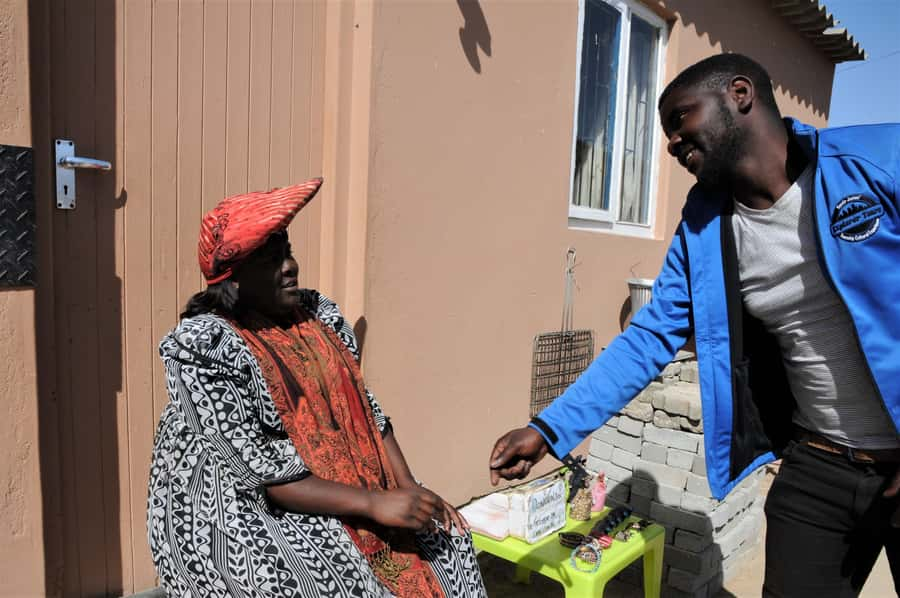
Then you visit a traditional Nama herbalist. The goal here is to share knowledge of Nama culture and herbal medicines.
Even if you’re not into herbalism, this stop tends to be memorable because it’s personal. You’re hearing from someone who practices a tradition and explains it in their own way. It also gives you a different kind of cultural lens than food or crafts.
I like that the tour keeps the focus on learning. You’re not expected to perform or “prove” anything. It’s a short cultural education moment that fits well inside a 3-hour outing.
One practical note: the tour is outdoors and involves travel between stops. Bring sunscreen and sunglasses, because Namibia sun can be intense even when the schedule is short.
Herero Culture and Dress, Only on Afternoon and Weekend Tours

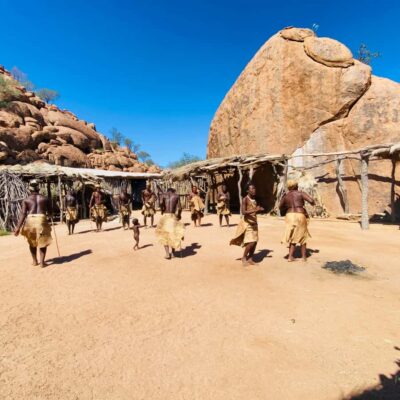
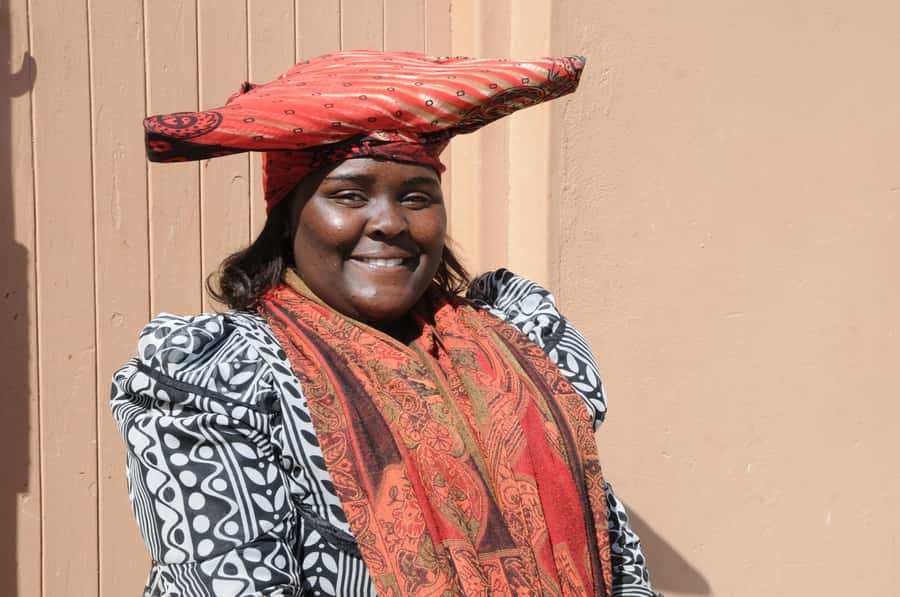
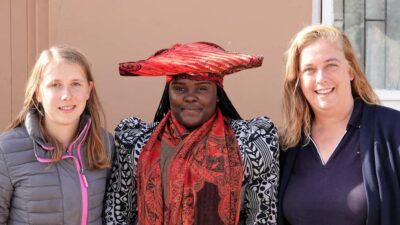
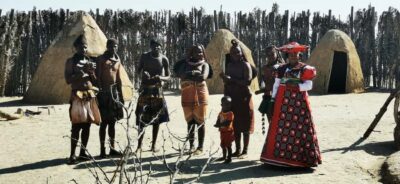
There’s also a visit to a Herero lady who discusses her dress and Herero culture. But there’s a catch: this portion runs on afternoon and weekend tours only.
So if you’re booking for a specific day, check the timing. If the Herero cultural dress discussion is important to you, plan your departure accordingly.
This stop matters because it adds a specific cultural perspective within the larger township context. You’re not only learning general township life. You’re also learning about identity and cultural expression through clothing and personal explanation.
Shebeen Drinks and the Taste Test at a Family Home
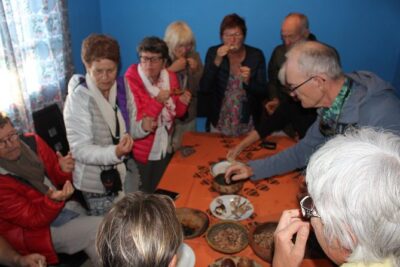
One of the biggest pull factors is the food, and it’s not a vague buffet. You’ll enjoy drinks at a Shebeen, an African bar, and then you’ll indulge in unusual yet typical African delicacies at a local family home.
This is where the tour becomes more than a sightseeing loop. You’re sitting down where people eat, talk, and share. That’s a big part of why township tours can feel more meaningful than standard attractions.
At the family home, you can try a lineup of dishes including:
- ondjuhwa (bbq chicken)
- omagungu (mopane worms)
- mahangu porridge (millet)
- omakunde (beans)
- oofukwa (ground nuts)
- Onyandi, Oombe, and Ondunga (wild fruits and berries)
You don’t need to force yourself to love every ingredient. But I do think trying at least a portion is worth it. It’s one thing to read about foods. It’s another to taste them in the place and context where they belong.
If you’re nervous about the more unusual items, start with the simplest option on your plate and go from there. Your guide can help you navigate what’s typical and what to expect, and the meal format is part of the cultural sharing.
What to Bring, What to Skip, and How to Keep It Comfortable
This tour is practical, but your comfort still depends on your packing choices. Bring:
- comfortable shoes
- sunglasses
- sun hat
- sunscreen
Also, the tour notes suggest bringing something for kids. Some sweets or stationery can make a big difference when you’re interacting in community spaces.
What not to bring:
- pets
- smoking
- luggage or large bags
That last point matters more than you’d think. Keep your bag small so you’re not juggling it while walking and moving between stops.
If you want a smoother outing, dress for warm weather and plan for short sun exposure bursts. Even if the tour is only 3 hours, you’ll feel it.
Language Support: English and German Guidance You Can Follow
The live tour guide speaks English and German, and there’s also an audio guide included in English and German. That gives you flexibility in how you take in the information.
It also helps a lot if you’re traveling with mixed language comfort levels. One person can follow live conversation, while the other can use the audio guide for context. For a township tour, clarity matters, because people are explaining real places and real routines.
One more subtle benefit: having both live guiding and audio reduces the pressure to catch every sentence. You can focus on the experience rather than chasing words the whole time.
Price and Value for an $80 Private Cultural Half-Day
The price is $80 per person for a 3-hour private tour. On paper, that’s not “budget Namibia,” but it does make sense when you look at what’s included.
You get:
- private guiding
- transport
- a local traditional lunch
Add in the fact that the tour includes multiple stops across different aspects of community life, and the price starts to feel more like a fair exchange for direct access. Private guiding costs time and resources, and here you’re also getting food built into the schedule.
This is also a smart value choice if you want a compact cultural outing. Instead of planning separate transport plus dining plus a guided neighborhood walk, this bundles the core pieces into one organized half-day.
If you’re traveling solo, you’ll still likely appreciate the efficiency of pickup, transport, and guidance. If you’re a couple or small group, the private format often feels like the best way to get your questions answered.
Who This Tour Is Best For (and Who Should Skip It)
This Mondesa township experience is a good match if you want authentic community connection in a short time window. It’s especially great for people who are comfortable asking questions and who value local meals and cultural explanation over photo-only sightseeing.
It’s also a strong option if you like structured access. The tour route hits major parts of Mondesa life in a compact format, so you don’t waste time guessing where to go.
But skip it if you need a low-walking plan. It’s not suitable for pregnant women or people with back problems. If you need a gentler pace, you might want to choose a different tour format.
Wheelchair accessibility is noted, which is a meaningful plus for many visitors. Still, you’ll want to consider how the walking segments and outdoor travel will feel for you.
Should You Book the Swakopmund Mondesa Cultural Township Tour?
Book it if you want a guided, respectful, half-day experience that connects culture, daily life, and food. The mix of OB Street conversations, a craft market, housing improvement context in DRC, and traditional Nama and Herero cultural elements makes it feel like more than one simple stop.
Also book it if you’re food curious. Trying ondjuhwa, omagungu, and mahangu porridge as part of a family meal is the kind of experience that tends to stick.
Skip it if walking and uneven surfaces could be an issue for you, or if you prefer a strictly museum-style cultural visit. This is a community-based tour, and the best results come when you show up with patience and curiosity.
If you’re on the fence, think about your goal. If your goal is connection and context in just 3 hours, this tour fits the bill.
FAQ
How long is the Mondesa Cultural Township Tour?
The tour lasts 3 hours.
Is this tour private, and what languages are available?
Yes, it’s a private group tour. The live tour guide and audio guide are available in English and German.
Do I get picked up from my hotel, and is transport included?
Yes. You’re picked up straight from your hotel accommodation, and transport is included.
What’s included in the price besides the guide and transport?
A local traditional lunch is included.
What foods can I expect to try during the family home meal?
You can try ondjuhwa (bbq chicken), omagungu (mopane worms), mahangu porridge (millet), omakunde (beans), oofukwa (ground nuts), and wild fruits and berries including Onyandi, Oombe, and Ondunga.
What should I bring, and what is not allowed?
Bring comfortable shoes, sunglasses, a sun hat, and sunscreen. The tour also suggests bringing some sweets or stationary for kids. Pets are not allowed, smoking is not allowed, and you should avoid bringing luggage or large bags.
When can I cancel, and is it flexible to book now?
Cancellation is free up to 24 hours in advance for a full refund. You can also reserve now and pay later.
Is the tour wheelchair accessible, and is it suitable for everyone?
Wheelchair accessible is listed. However, it is not suitable for pregnant women and people with back problems.
More Trips Across Namibia
- Walvis Bay: Marine Big 5 Luxury Catamaran Tour★ 4.8 · 1,012 reviews
- Walvis Bay and Sandwich Harbour Tour★ 4.8 · 483 reviews
- Scenic Sandwich Harbour Tour★ 5.0 · 277 reviews
- Scenic Desert Tour by Bike★ 5.0 · 165 reviews
- Living Desert Eco Dune Tour★ 5.0 · 113 reviews
More Namibia Reviews
- Walvis Bay: Marine Big 5 Luxury Catamaran Tour★ 4.8 · 1,012 reviews
- Swakopmund: Desert Dunes Quad Biking with Optional Sandboard★ 4.9 · 590 reviews
- Walvis Bay and Sandwich Harbour Tour★ 4.8 · 483 reviews
- Scenic Sandwich Harbour Tour★ 5.0 · 277 reviews
- Sandwich Harbour Adventure: Seals and Sandwich harbour dune drive★ 5.0 · 165 reviews
Katutura and Mondesa, Other Guides
- Swakopmund: Mondesa Township Day Tour Experience★ 3.8 · 25 reviews
- Swakopmund Best Cultural Historical Township Tours Namibia★ 5.0 · 8 reviews
- Explorer Historical Private Township Cultural Tours★ 4.0 · 6 reviews
- Explorer Private Cycling Township Tours★ 3.9 · 5 reviews
- Swakopmund Explorer Township Tour in Mondesa with Nande the Township Local Guide★ 5.0 · 4 reviews
Other Namibia trips from our own write-ups


Katutura & Mondesa Township Walks, all of them.
 ★ 4.8City and Township TourFrom $40430 reviews
 ★ 4.5Half-Day Windhoek City and Township Cultural TourFrom $37187 reviews
 ★ 3.8Mondesa Township Day Tour ExperienceFrom $6525 reviews
 ★ 5.0Katutura – Classic Township ExperienceFrom $4022 reviews
 ★ 4.7Katutura Township and City Walking TourFrom $4915 reviews
 ★ 3.7Mondesa Township TourFrom $16013 reviews
 ★ 5.0Katutura Tour – Experience Genuine Namibian LifeFrom $4011 reviews
 ★ 5.0Swakopmund Best Cultural Historical Township Tours NamibiaFrom $408 reviews
This tour also turns up in