
REVIEW · THE LIVING DESERT & LITTLE FIVE
LIVING DESERT TOUR (Little 5 tour)
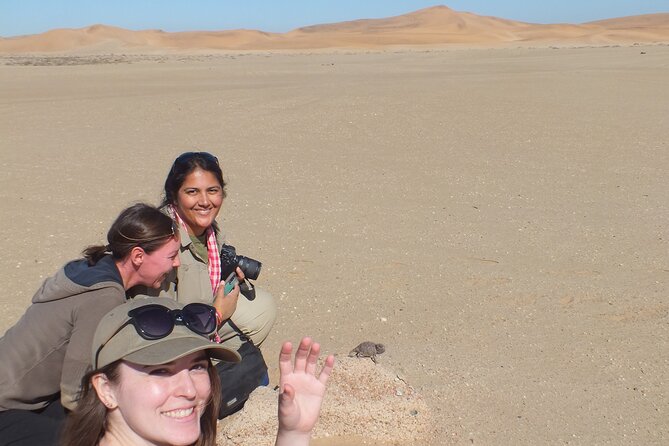
Desert walking can feel alive. On this 4-hour private Living Desert tour, I love the chase for the Little 5 and how the guide helps you spot real desert residents like sidewinder snakes, beetles, and lizards.
You also get a coastal break, with Walvis Bay wetlands birdlife in the mix, including flamingos and other coastal birds. One drawback to plan around: the route can involve uneven dune terrain, so keep the moderate fitness note in mind, and the experience needs good weather to run.
In This Review
- Key highlights from the Living Desert (Little 5) tour
- How this 4-hour tour really plays out in the Namib
- Finding the Little 5 around the dune belt
- Dune 7 and the quiet power of Namib terrain
- Desert creatures you can actually spot (and how to spot them)
- Walvis Bay wetlands for flamingos and coastal birds
- Moonlandscape scenery and the Welwitchia plant
- Pickup, group setup, and how the tour keeps moving
- Price and value: is $68.97 a fair deal?
- What to bring so the tour feels easy, not annoying
- Weather and how it affects your odds
- Should you book the Living Desert Tour (Little 5)?
- FAQ
- How long is the Living Desert Tour (Little 5)?
- Does the tour include pickup and drop-off?
- What’s included in the price?
- Is coffee or tea included?
- Is this a private tour?
- What happens if the weather is poor?
Key highlights from the Living Desert (Little 5) tour
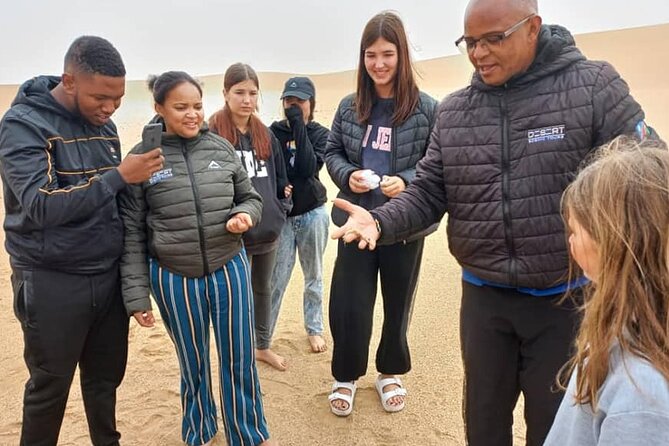
- Little 5 hunting in Dorob National Park area, with a guide who knows where to look
- Desert wildlife spotting, from sidewinder snakes to lizards and beetles
- Dune 7 viewpoints and dune-belt exploring, for those big Namib textures and quiet moments
- Walvis Bay wetlands bird time, often including flamingos and other coastal birds
- Moonlike scenery and Welwitchia plant stops, where old desert life is right in front of you
- Water included on the tour, plus pickup and drop-off for less hassle
Other mornings spent tracking the Little Five in the sand
How this 4-hour tour really plays out in the Namib
This is a focused half-day that mixes desert survival skills with coastal scenery. You start at the edge where desert meets the sea, then you roll along the outer rim of the dune belt to see that the Namib is not empty, it’s just quiet. The tone is “look closer,” not “drive fast.” That matters, because the most memorable moments here are usually the small ones you almost miss.
The search centers on the Little 5 concept for the Dorob National Park area. That means you’re not just taking in pretty dunes. You’re learning how desert animals manage heat, move without wasting water, and vanish into sand until you notice their timing.
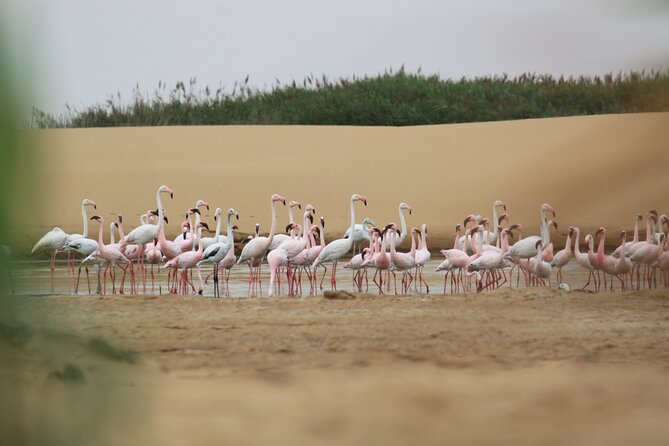
You’ll also shift gears toward Walvis Bay wetlands for birdlife. That coastal contrast is one reason I like this tour style. You can spend hours in a desert mood, then you’re suddenly scanning a totally different kind of habitat, with flamingos often popping into view.
Finding the Little 5 around the dune belt
The tour starts by taking you to the desert rim where you can feel the Namib’s scale. You are meant to explore the outer dune belt and watch it reveal its “little residents” as you go. It’s not a museum stop. It’s you, a guide, and a stretch of dunes where you learn what clues matter.
What you’re looking for changes as the terrain changes. Sidewinder snakes, beetles, and lizards are all part of the desert cast. The guide shows you how to notice movement that is subtle, how to watch for shapes that blend into sand, and how to read tiny signs that something is active even when it looks still.
A cool bonus is that you don’t have to be an expert. The guide’s job is to narrow your focus so you can actually see what you came for. When I’m scanning dunes on my own, I often miss the obvious thing because I am staring at the wrong area. Here, the spotting is guided, which makes the time feel much more productive.
Dune 7 and the quiet power of Namib terrain
There’s a practical reason this tour keeps moving. The Namib is full of repeating shapes, but light and wind change what you can see. Along the route you pass Dune 7, and that becomes a natural marker where your brain stops treating the dunes as background.
This is where you start to feel why people travel to the Dorob region. The dunes aren’t just pretty in photos. They have structure. Ripples, slopes, and the way vegetation clings to certain lines make the place feel alive.
Also, these “in-between” viewpoints are where you can take a breath. The tour is only about four hours, so the timing is tight enough to keep it engaging, but you still get those short pauses to let the scenery settle in.
- Walvis Bay: Marine Big 5 Luxury Catamaran Tour
★ 4.8 · 1,012 reviews - Swakopmund: Desert Dunes Quad Biking with Optional Sandboard
★ 4.9 · 590 reviews - Walvis Bay and Sandwich Harbour Tour
★ 4.8 · 483 reviews - Scenic Sandwich Harbour Tour
★ 5.0 · 277 reviews - Sandwich Harbour Adventure: Seals and Sandwich harbour dune drive
★ 5.0 · 165 reviews
Desert creatures you can actually spot (and how to spot them)
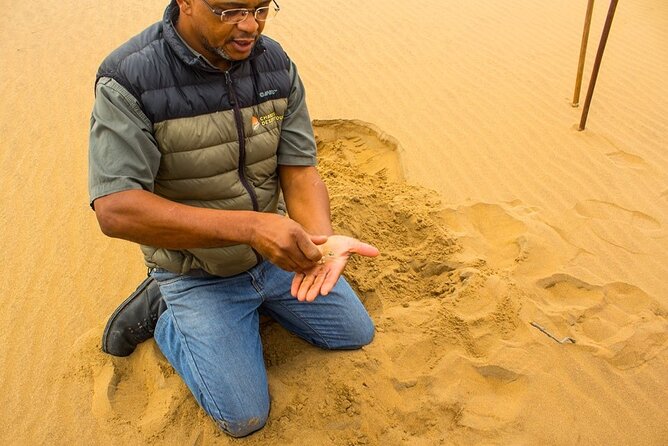
The real star of this tour is the promise that the desert is alive. That shows up through specific animals you might encounter. From the tour description and guide style, the “usual suspects” include:
- Sidewinder snake, a famous desert mover
- Beetles, which can appear as small moving dots
- Lizards, often seen when you understand what to scan for
In the feedback, the guide stood out for finding the right spots quickly. If you are the kind of person who gets frustrated hunting for wildlife, this is a good match. Your job becomes simpler, you’re not roaming blindly. You’re learning a method: where to look, when to look, and how to stay patient without checking your phone every five minutes.
One more thing to expect: even if your main target is wildlife, the tour trains you to notice the ecosystem itself. That includes the way plants survive, where life concentrates, and how the desert changes along the route.
Walvis Bay wetlands for flamingos and coastal birds
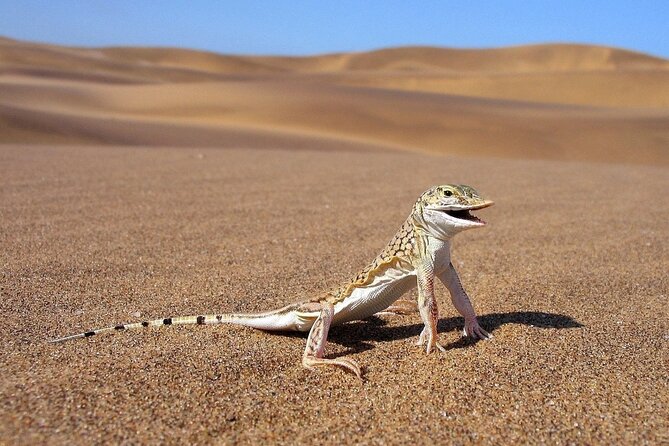
After the dune work, you head toward Walvis Bay wetlands, and the vibe shifts. You go from “sand and heat management” to “water edges and bird signals.” This is when scanning starts to feel more like a coastal birding session.
Flamingos are specifically called out, along with other coastal birds. Even if you don’t get close views, you’ll still get the point of the wetlands: this region links desert and ocean in a way that makes the Namib feel even bigger.
For me, this part is valuable because it prevents the tour from feeling one-note. A pure desert safari can blur into the same viewing angle for visitors. Adding a wetlands bird phase gives you contrast and keeps your attention sharp.
Practical note: bird viewing can be all about patience and posture. Keep your balance steady if you’re standing or waiting in open areas, and keep an eye on where your guide wants you to look next.
Moonlandscape scenery and the Welwitchia plant
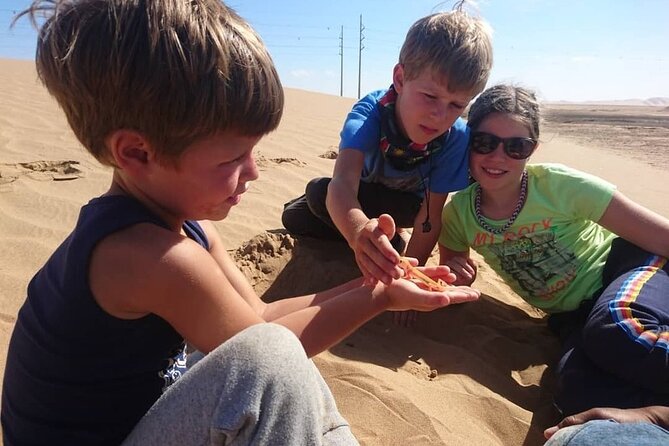
The tour also includes a “moonlandscape” style segment where you can see the Welwitchia plant, described as ancient, plus striking rock formations. This is the part that helps you understand the desert beyond animals.
The Welwitchia reference is key because it signals age and survival. Plants in the Namib are not just decorative. They’re proof of adaptation. Seeing an ancient species changes how you interpret the dunes and the scrub around you. Suddenly, the desert plants are not random clutter. They’re survivors with a strategy.
The rock formations add another layer. They help you read the terrain, so when you look out later on your own, you’re not only seeing shapes, you’re seeing patterns formed by time.
If the weather is windy or harsh, the rock and plant stops are still worth it, but your viewing time might feel more “quick look and move on.” That’s just desert reality.
Pickup, group setup, and how the tour keeps moving
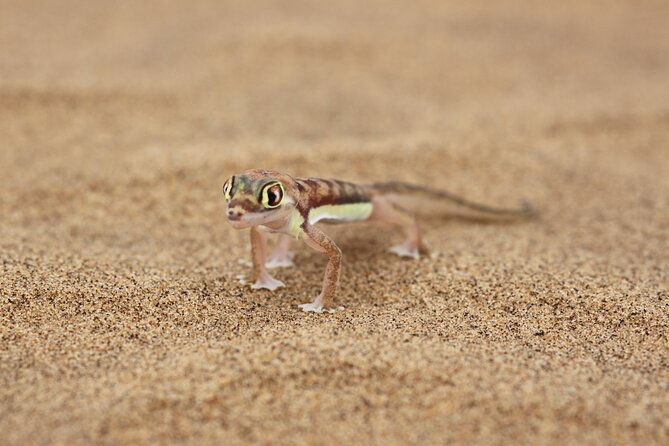
This is a private tour, meaning only your group participates. That’s a big deal in a place like the Dorob area, where wildlife spotting depends on attention and pacing. A private setting usually means fewer disruptions and more room for questions.
Pickup and drop-off are included, which makes the tour easier to fit into a Swakopmund stay. You avoid the hassle of figuring out transport to the desert edge and back.
Timing is tight but reasonable: about four hours in total, starting at 8:00 am. If you plan your day with that in mind, you’ll still have time for a late breakfast after or an afternoon activity in town.
Price and value: is $68.97 a fair deal?
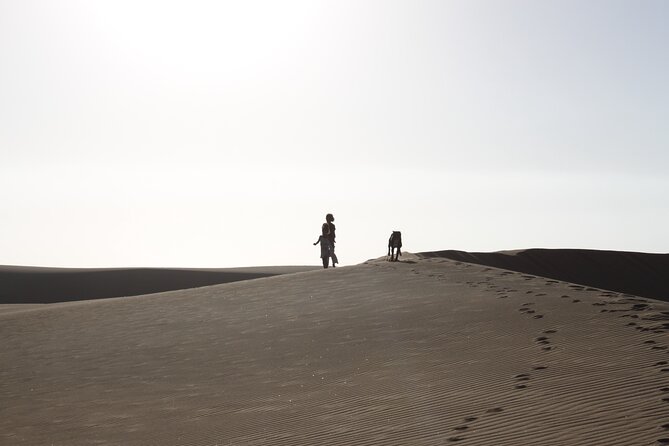
At $68.97 per person, this tour sits in a reasonable zone for a short private wildlife and scenery experience in Namibia, especially because it includes water, pickup and drop-off, and a guide who focuses on spotting the right things.
What makes the price feel fair is the emphasis on guided discovery rather than just driving through scenery. You’re paying for:
- targeted wildlife and ecosystem searching around the dune rim
- a coastal wetlands section for flamingos and coastal birds
- the added educational stops like Welwitchia and rock formations
You might notice the tour does not include coffee or tea. That’s not a deal breaker, just plan to manage hydration and energy. Since water is included, you’re off to a good start, but I’d still bring a small snack if you know you get hungry.
Also, the average booking lead time is about 18 days. That suggests demand, not just a small niche. If you care about joining on a specific day, book early rather than gambling.
What to bring so the tour feels easy, not annoying
This is a moderate physical fitness type of outing, so dress for movement. You’ll likely be dealing with dune terrain, sun, and frequent “stop and look” moments.
Here’s what I’d pack without overthinking it:
- sunscreen and sunglasses (morning sun can still bite in open areas)
- closed-toe shoes with good traction
- a hat or cap
- a light layer, because morning air near the coast can feel cooler
- a small snack, since coffee or tea is not included
And keep your camera ready, but don’t spend the whole time behind it. The best wildlife sightings often happen in the seconds you lift your eyes at the right moment, right when your guide points out a clue.
Weather and how it affects your odds
This experience requires good weather. That’s common in desert environments, where visibility and safety matter.
If conditions are poor, expect the operator to offer a different date or a full refund. That means you’re not locked into a single-day plan with no flexibility, which is a relief. Still, it’s smart to schedule this early in your stay, so you have backup days if weather forces a change.
Should you book the Living Desert Tour (Little 5)?
Book it if you want a small, high-attention tour that trains your eyes. I think this is especially worth it if you’re curious about desert animals and you like the feeling of being guided to a specific goal like the Little 5. The combination of dune exploration, dune-belt wildlife searching, and a Walvis Bay wetlands bird segment gives you variety without stretching the tour into a long day.
Skip it if you want comfort-heavy tourism with lots of amenities. You’ll be outside, you’ll be scanning, and the tour includes water but not coffee or tea. Also, if uneven sand or moderate walking is a concern, treat that fitness note seriously.
My take: if your ideal Swakopmund day includes dunes, birds, and the thrill of spotting small desert life, this is a strong fit for the money and the time.
FAQ
How long is the Living Desert Tour (Little 5)?
It’s about 4 hours.
Does the tour include pickup and drop-off?
Yes. Pickup and drop-off from accommodations are offered.
What’s included in the price?
Water is included.
Is coffee or tea included?
No, coffee and/or tea are not included.
Is this a private tour?
Yes. It’s private, and only your group will participate.
What happens if the weather is poor?
This experience requires good weather. If it’s canceled due to poor weather, you’ll be offered a different date or a full refund.
More Trips Across Namibia
- Walvis Bay: Marine Big 5 Luxury Catamaran Tour★ 4.8 · 1,012 reviews
- Walvis Bay and Sandwich Harbour Tour★ 4.8 · 483 reviews
- Scenic Sandwich Harbour Tour★ 5.0 · 277 reviews
- Scenic Desert Tour by Bike★ 5.0 · 165 reviews
- Living Desert Eco Dune Tour★ 5.0 · 113 reviews
More Namibia Reviews
- Walvis Bay: Marine Big 5 Luxury Catamaran Tour★ 4.8 · 1,012 reviews
- Swakopmund: Desert Dunes Quad Biking with Optional Sandboard★ 4.9 · 590 reviews
- Walvis Bay and Sandwich Harbour Tour★ 4.8 · 483 reviews
- Scenic Sandwich Harbour Tour★ 5.0 · 277 reviews
- Sandwich Harbour Adventure: Seals and Sandwich harbour dune drive★ 5.0 · 165 reviews
The Little Five, More Guides Worth Booking
- Living Desert Eco Dune Tour★ 5.0 · 113 reviews
- From Swakopmund: Living Dunes Experience★ 4.9 · 84 reviews
- Living Dunes Experience from Swakopmund★ 4.5 · 76 reviews
- Swakopmund: “UP CLOSE” Living Desert E-FatBike Tour★ 4.6 · 11 reviews
Other Namibia trips from our own write-ups


The Living Desert & Little Five, all of them.
 ★ 5.0Living Desert Eco Dune TourFrom $60113 reviews
 ★ 4.9Living Dunes ExperienceFrom $6184 reviews
 ★ 4.5Living Dunes Experience from SwakopmundFrom $5176 reviews
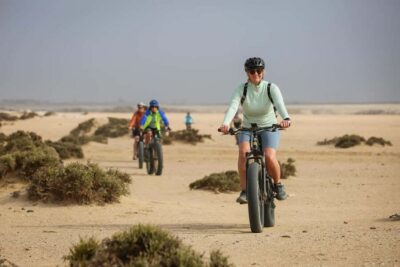 ★ 4.6“UP CLOSE” Living Desert E-FatBike TourFrom $6511 reviews
This tour also turns up in