
REVIEW · THE LIVING DESERT & LITTLE FIVE
From Swakopmund: Living Dunes Experience
The dunes move, if you know where to look. This Living Dunes Experience turns a pile of sand into a real search for small desert life, with a guide who can spot the details most people walk past. You’ll track geckos, lizards, snakes, chameleons, and more, then learn what makes the Namib’s creatures survive in harsh conditions.
I love how the tour is built around guided animal tracking instead of big-animals-only sightseeing, and the guides bring real care plus a sense of fun. I’ve read about Johnny, Björn, and Immanuel, and the common thread is clear, careful explanations and a cautious approach to the animals. One thing to consider: this outing is not suitable for people with mobility impairments, and you will be walking on sand in the sun.
In This Review
- Key highlights to expect on the dune hunt
- Why this Living Dunes hunt feels different than typical wildlife tours
- Getting from Swakopmund into the right dune zone (and why the timing matters)
- The 3.25-hour dune searching block: safety, walking, and learning to read the sand
- What you might spot: Palmato geckos, sand-diving lizards, and the desert’s small crew
- Photo opportunities that actually make sense in a tiny-creature hunt
- The short dune drive back to Swakopmund: speed, views, and finishing strong
- Price and value: what $61 buys you in the Swakopmund dunes
- Who this tour is for, and who should skip it
- What to bring (so the dunes don’t beat you)
- The guide factor: why names like Johnny, Björn, and Immanuel keep showing up
- Should you book the Swakopmund Living Dunes Experience?
- FAQ
- How long is the Living Dunes Experience?
- Where does the tour start?
- What does the tour cost?
- Is food included?
- Is mineral water included?
- What animals will we try to spot?
- What language is the guide?
- What should I bring?
- Is the tour suitable for people with mobility impairments?
- Can I cancel for a full refund?
- Is pay later available?
Key highlights to expect on the dune hunt
- Hotel pickup and drop-off in Swakopmund, so you start and end easy
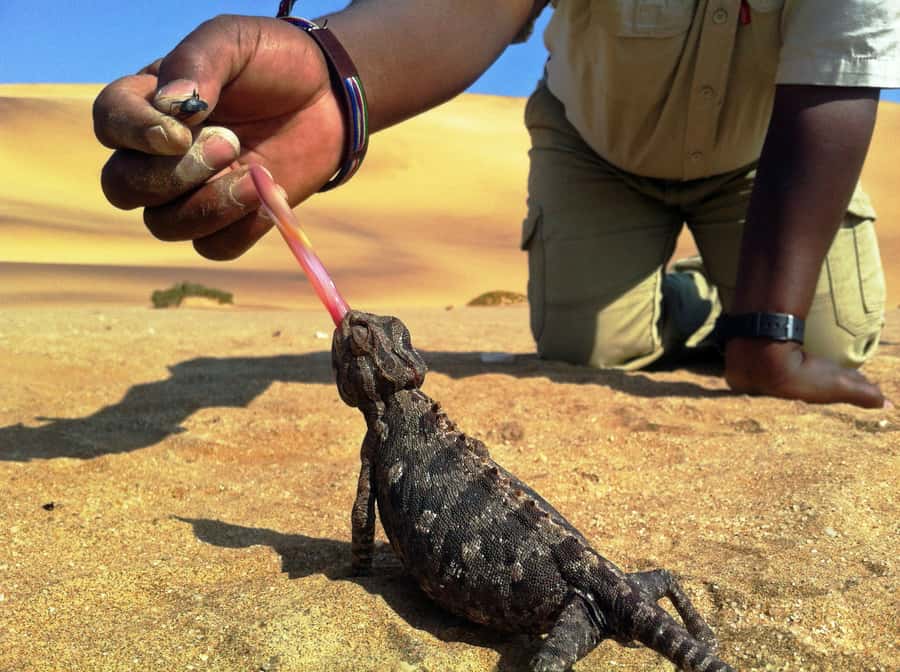
- A “Small Five” style search, focusing on reptiles and small invertebrates you’d never find alone
- Tracking subtle tracks, with a guide showing how to read signs in the sand
- Photo stops and scenic drive moments, so your camera gets real opportunities
- A short dune drive at the end, for speed and wide views
- Still mineral water included, plus a simple packing list (sunscreen and a hat)
Other mornings spent tracking the Little Five in the sand
Why this Living Dunes hunt feels different than typical wildlife tours
Swakopmund is a great base, but most classic safaris start and end with big sightings. This tour flips that idea. You come out to the coastal dune belt just beyond the city limits and spend the time slowing down, looking closer, and learning the desert as a living system.
The Namib is famous for being biologically intense despite the dry sand. The tour’s framing matters: the ancient Namib is home to more endemic species than any other desert in the world. That statement is part of the point of the walk. You are not just watching animals. You’re learning why this desert is so alive, even when it looks empty.
What makes it click for me is the way the guide turns your eyes into a tool. You stop expecting a neat “spot then photograph” scene. Instead, you learn to notice small movements, tiny shapes, and faint signs like tracks and disturbed sand. That’s where the magic is.
Getting from Swakopmund into the right dune zone (and why the timing matters)
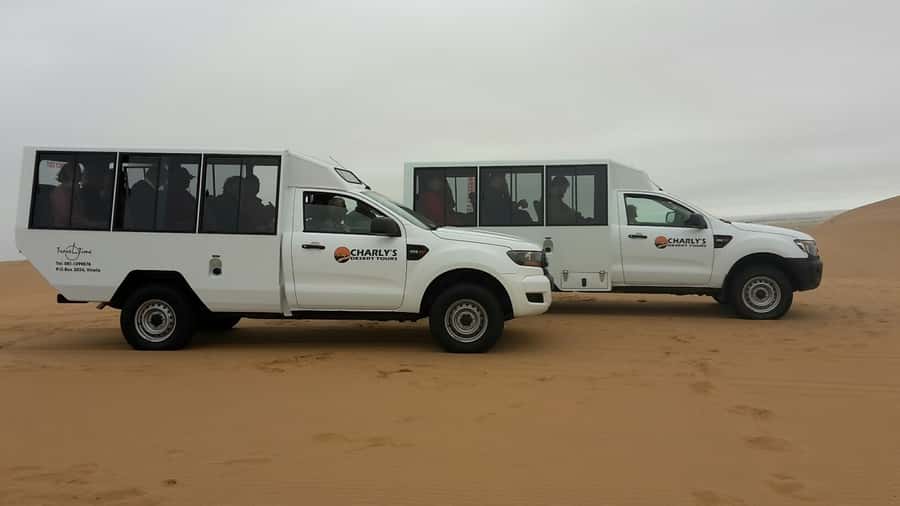
Your day starts with pickup from your hotel in Swakopmund. You’ll ride by Jeep or SUV first, then head out to the dune belt near the coast. A short transfer gets you away from the town and into the quieter stretch where desert life actually shows up.
There’s also a practical reason the drive is part of the experience. You get early views of the dune scenery and a feel for how quickly the world can change once you’re inside the dune zone. Even before the main searching starts, you can build the right expectations: dunes here are not just scenery. They’re a map of where animals move, hide, and survive.
Once you reach the main area, the tour shifts into the long guided portion. That is where the real value is.
The 3.25-hour dune searching block: safety, walking, and learning to read the sand
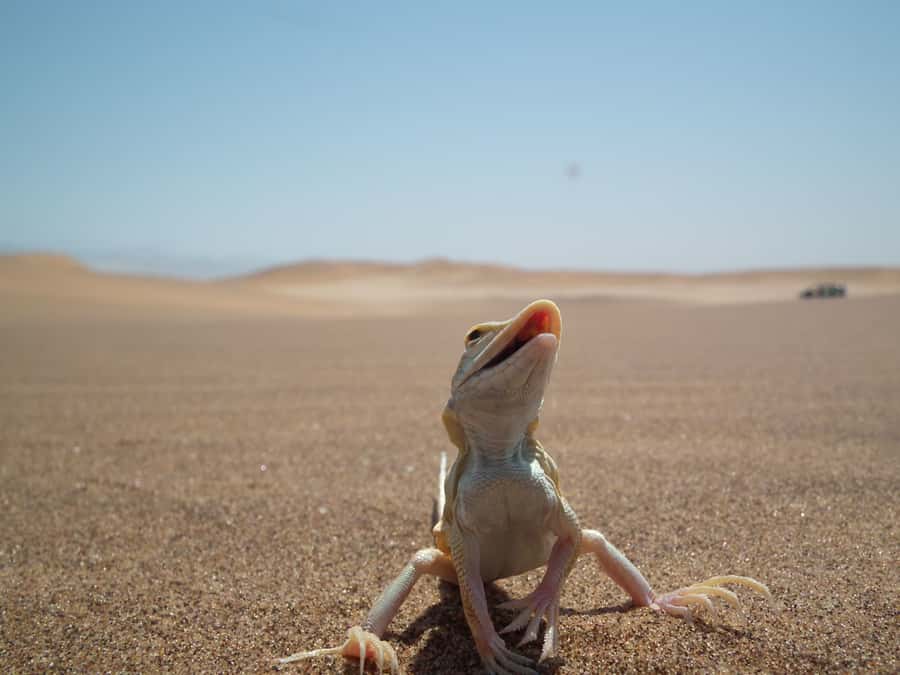
Most of the tour time happens at a “secret stop,” and it feels like the engine of the whole outing. Plan on a guided walk with a safety briefing, photo pauses, and time to follow signs carefully.
You’re not going to sprint across the dunes. The structure is calm and methodical because these animals are small and easily disturbed. The guides are described as very cautious with the animals, and that matters because it improves what you see. When people are too rough, animals vanish fast. When the guide is careful, you can actually make meaningful sightings and learn from them.
Here’s what you can expect from the guided part:
- You’ll track the small desert creatures the guide searches for on purpose
- You’ll learn about desert survival adaptations, not in a lecture way, but tied to what you’re trying to find
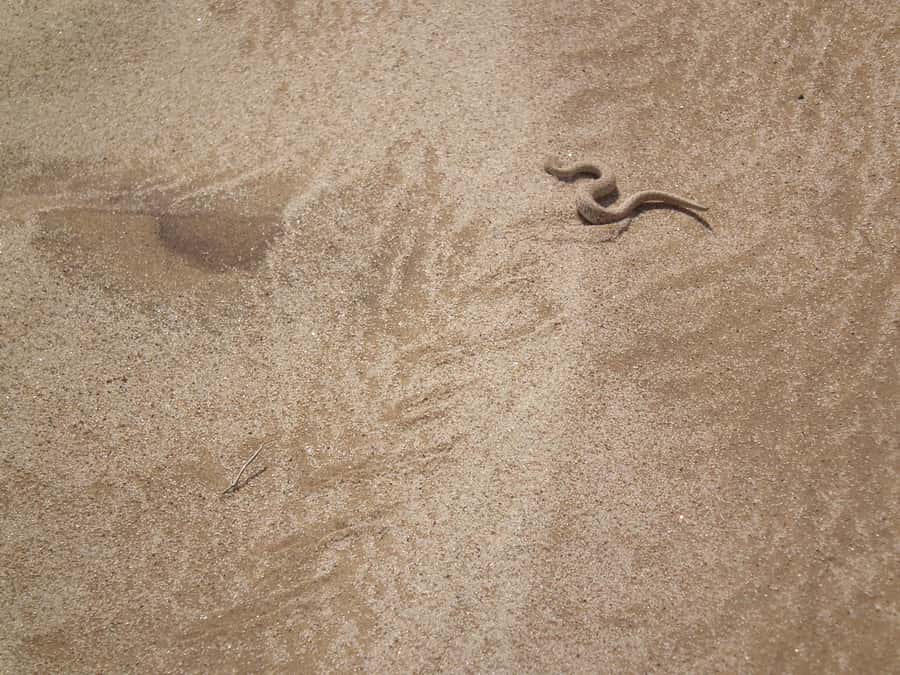
- You’ll practice identifying the subtle tracks left behind in the sand
- You’ll get time for photos when the guide knows the moment is right
This is also where the “trained eye” idea becomes real. To an untrained eye, dunes can look like nothing but sand. A skilled guide helps you notice the tiny tells that say something is alive nearby.
The tour is in English, which helps if you want the explanations to land in your brain, not just in the background.
- Walvis Bay: Marine Big 5 Luxury Catamaran Tour
★ 4.8 · 1,012 reviews - Swakopmund: Desert Dunes Quad Biking with Optional Sandboard
★ 4.9 · 590 reviews - Walvis Bay and Sandwich Harbour Tour
★ 4.8 · 483 reviews - Scenic Sandwich Harbour Tour
★ 5.0 · 277 reviews - Sandwich Harbour Adventure: Seals and Sandwich harbour dune drive
★ 5.0 · 165 reviews
What you might spot: Palmato geckos, sand-diving lizards, and the desert’s small crew
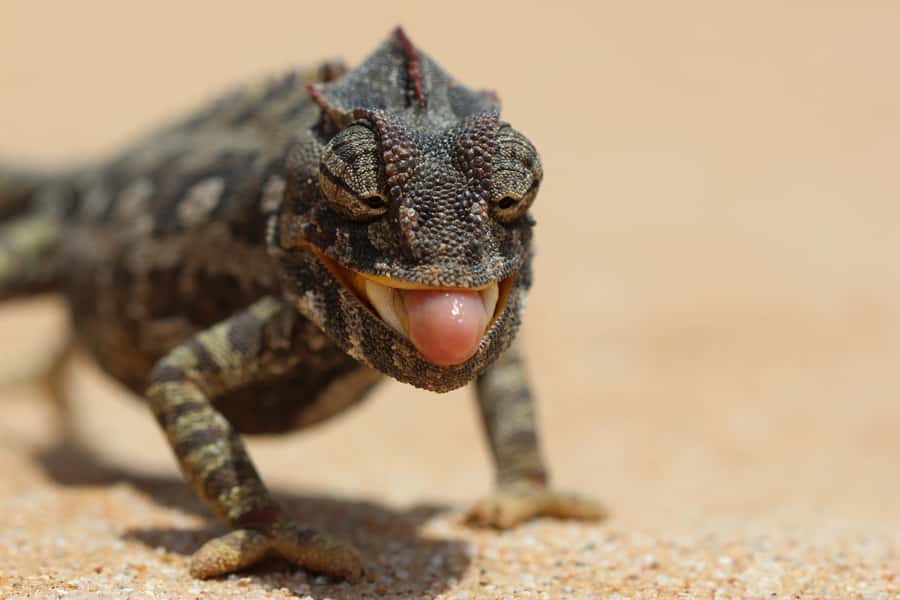
The star of this tour is your hunt for micro-life, and the guide’s search is specifically aimed at reptiles and other small creatures. From the tour description, you’re looking out for several types, including:
- Palmato Geckos
- Sand-diving lizards
- The fog-basking tok-tokkie beetle
- Sidewinder snakes
- Spiders and scorpions
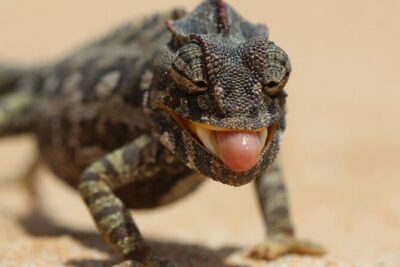
- Chameleons
I like the way these are presented as a mix. You’re not only looking for “something that runs.” You’re also watching for creatures tied to the desert’s daily cycle, including the fog-related beetle that’s linked to the coastal Namib environment.
And yes, the tour is set up for photos. These are small animals, so your best images will be honest, close, and a bit technical. A good guide helps you photograph responsibly, without poking or chasing.
Most of all, you’ll leave with a better sense of how the desert works. The tour says you’ll learn about adaptations that make desert survival possible. In plain terms, that usually means how animals manage heat, water, and timing, plus how their bodies and behavior help them blend in and move through sand.
If you care about understanding what you’re seeing, this is the part that delivers.
Photo opportunities that actually make sense in a tiny-creature hunt
Photo hunts can go wrong on tours. Either you never get the chance, or you spend the whole time being rushed. This one is different because it is built around slow observation and guide timing.
You get:
- A guided photo stop
- Multiple moments during the search when the guide finds something worth slowing down for
- Scenic drive views you can use to balance your photo set
For your camera or phone, the key tip is simple: be ready for close-ups and sharpness challenges. Small subjects in sandy surroundings can be tricky. The guide’s job is to help you see first, then capture second.
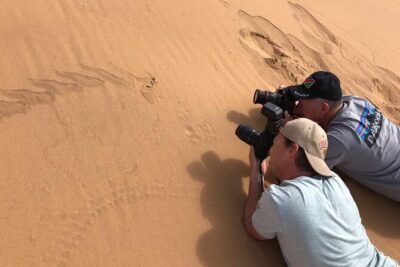
Also, keep your posture and patience. When you’re on sand, you often need to crouch, kneel, or sit back for a stable angle. Having the patience to do that is what turns decent photos into great ones.
The short dune drive back to Swakopmund: speed, views, and finishing strong
After the main searching time, the tour finishes with a short dune drive, then return transfer back to Swakopmund.
That last segment matters because it gives you a different feeling than walking. It’s a quick break from careful footsteps, and it also helps you appreciate the scale of the dune belt. You’ll likely get wide views, and you’ll feel the contrast between the quiet, detail-focused searching and the open dune energy.
Finally, you’re back at your hotel area without arranging anything extra.
This “search, then drive, then return” flow is a good one if you want a focused experience that doesn’t drag on.
Price and value: what $61 buys you in the Swakopmund dunes
At around $61 per person for a 210-minute outing, this is good value if you like learning and you want real guide help. The cost covers:
- Hotel pickup and drop-off in Swakopmund
- A live guide
- Still mineral water
Food is not included, so you’ll want to plan a meal around the tour.
Now the important part: why the price makes sense for this experience. You are paying for specialized searching. These animals are not on big-open tracks where you can wander and stumble into them. A guide who knows where to look saves you time and increases your odds of meaningful sightings, plus you get the explanations that help everything click.
If your plan is mostly about big wildlife, you might feel this is too small and too quiet. If your plan is to understand the Namib and see the desert’s tiny “Small Five” world, this is the kind of activity that feels worth every dollar.
Who this tour is for, and who should skip it
This is a strong match for:
- People who enjoy walking and learning with a guide
- Anyone interested in reptiles, small invertebrates, and tracking
- Photographers who want close, detailed shots and not just distant silhouettes
- Travelers who like the idea of the Small Five, focusing on what’s usually overlooked
It may not be your best choice if:
- You have mobility limitations, because it is not suitable for people with mobility impairments
- You hate sand walking or heat and sun without breaks
- You want a food-centered outing (food is not included)
Also, if you’re visiting with kids, it can still work, but only if they can handle a quiet, patient walk and listening time.
What to bring (so the dunes don’t beat you)
The list is short, but don’t ignore it. Bring:
- Sunscreen
- A hat
That’s because you’ll be outdoors for much of the tour, and desert sun does not wait. Dress for heat and sandy conditions. You may not have a lot of extra facilities on the way, so come prepared to stay comfortable during the searching walk.
Since mineral water is included, you won’t be starting empty, but you’ll still want to pace yourself.
The guide factor: why names like Johnny, Björn, and Immanuel keep showing up
The reviews you provided emphasize guide quality, and that is the real deciding factor on this kind of tour. When you’re hunting for tiny animals, the guide does more than show you a place to stand. They:
- Find small creatures that most people would miss
- Explain what you’re seeing in a way that sticks
- Handle the hunt with care, which keeps the search possible
- Add humor, which helps when you’re quietly watching for long stretches
If you’re lucky enough to be with someone like Johnny or Björn or Immanuel, you’ll likely get the same overall style: competent spotting, cautious behavior, and explanations that make the desert feel understandable instead of random.
That matters because the tour is not only about sightings. It’s about building your own desert-reading skills.
Should you book the Swakopmund Living Dunes Experience?
I’d book this if you want a more thoughtful side of Namibia than the typical “look for the big animals” day. The combination of hotel pickup, a careful guided hunt for small desert life, and real learning about desert survival adaptations is a smart use of time in the Swakopmund area.
Skip it if you need an easy, fully seated activity, or if walking on sand and sun is not your thing. Also skip if you only want large wildlife, because this is explicitly about the small crew: geckos, lizards, tok-tokkie beetles, sidewinder snakes, spiders, scorpions, and chameleons.
If you do book it, come ready to slow down. That’s the whole trick with the Living Dunes: you will see more when you stop looking for “something huge” and start looking for the signs of life in the sand.
FAQ
How long is the Living Dunes Experience?
The duration is 210 minutes, about 3.5 hours.
Where does the tour start?
Pickup is from your accommodation in Swakopmund.
What does the tour cost?
The price is $61 per person.
Is food included?
No, food is not included.
Is mineral water included?
Yes, still mineral water is included.
What animals will we try to spot?
The tour description includes tracking creatures like Palmato Geckos, sand-diving lizards, the fog-basking tok-tokkie beetle, sidewinder snakes, spiders, scorpions, and chameleons.
What language is the guide?
The tour has a live guide in English.
What should I bring?
Bring sunscreen and a hat.
Is the tour suitable for people with mobility impairments?
No, it is not suitable for people with mobility impairments.
Can I cancel for a full refund?
Yes, you can cancel up to 24 hours in advance for a full refund.
Is pay later available?
Yes, there is reserve now & pay later.
More Namibia Reviews
- Walvis Bay: Marine Big 5 Luxury Catamaran Tour★ 4.8 · 1,012 reviews
- Swakopmund: Desert Dunes Quad Biking with Optional Sandboard★ 4.9 · 590 reviews
- Walvis Bay and Sandwich Harbour Tour★ 4.8 · 483 reviews
- Scenic Sandwich Harbour Tour★ 5.0 · 277 reviews
- Sandwich Harbour Adventure: Seals and Sandwich harbour dune drive★ 5.0 · 165 reviews
The Little Five, More Guides Worth Booking
- Living Desert Eco Dune Tour★ 5.0 · 113 reviews
- Living Dunes Experience from Swakopmund★ 4.5 · 76 reviews
- Swakopmund: “UP CLOSE” Living Desert E-FatBike Tour★ 4.6 · 11 reviews
- LIVING DESERT TOUR (Little 5 tour)★ 5.0 · 7 reviews
Other Namibia trips from our own write-ups


The Living Desert & Little Five, all of them.
 ★ 5.0Living Desert Eco Dune TourFrom $60113 reviews
 ★ 4.5Living Dunes Experience from SwakopmundFrom $5176 reviews
 ★ 4.6“UP CLOSE” Living Desert E-FatBike TourFrom $6511 reviews
 ★ 5.0LIVING DESERT TOUR (Little 5 tour)From $687 reviews
This tour also turns up in