
REVIEW · ETOSHA PARK GAME VIEWING
Etosha National Park: Full or Half-Day Game Drive
Etosha wildlife days can be pure electricity. This is a classic safari-style outing built around open-vehicle game viewing and an expert guide who pushes you toward the best animal action. I also like that you get hotel pickup and drop-off, so your only job is to show up and scan for movement. One tradeoff to note: lunch and park entrance fees are not included, so plan for extra costs if you pick the full day.
You’ll spend the day riding in a 4 x 4 to prime wildlife areas, timing your best viewing around where animals go to feed and cool off. That means a big focus on waterholes, especially later in the day when activity often ramps up. If you hate waiting in the heat, you’ll want to lean into the schedule, because the slower stretches are part of how you catch the good moments.
The route has options, with pickup and drop-off tied to gates and areas such as Okaukuejo, Ombika, Namutoni, and Anderson Gate. That flexibility is great, but it also means your odds can shift by side of the park, so think about what you most want to see. Also, this tour is not for party groups, even though it is wheelchair accessible.
In This Review
- Key Things I’d Actually Plan Around
- Etosha Game Drives: What Makes This One Different
- Pickup, Gates, and Getting Started Without Headaches
- The Open-Vehicle Drive: Photos, Comfort, and Real Sightlines
- Wildlife Viewing Strategy: Why Waterholes Win in Etosha
- Lunch Stop at a Lodge: A Needed Break, With Extra Cost
- Afternoon Toward Sunset: When Animals Feel Closer
- Timing and Duration: What 10 Hours Feels Like
- Price and Value: Is $171 Fair for an Etosha Day?
- Who This Safari Is Best For
- What to Bring (So You Don’t Have to Improvise)
- My Verdict: Should You Book This Etosha Game Drive?
- FAQ
- What animal types does the tour focus on?
- How long is the Etosha game drive?
- Is pickup and drop-off included?
- Is lunch included in the price?
- Are entrance fees to Etosha included?
- What’s included besides the game drive?
- What should I bring for the day?
Key Things I’d Actually Plan Around
- Open-vehicle viewing so you can spot animals and get photos without window glare doing all the work for you
- Guides who know the park rhythm and take you to watering holes and other strong viewing spots
- Full or half-day format so you can match Etosha to your total Namibia itinerary
- Afternoon and sunset focus, when animals often come closer to water and the light turns better
- Lunch stop at a lodge is optional-cost, so bring your cash planning mindset
More time parked up at the Etosha waterholes
Etosha Game Drives: What Makes This One Different
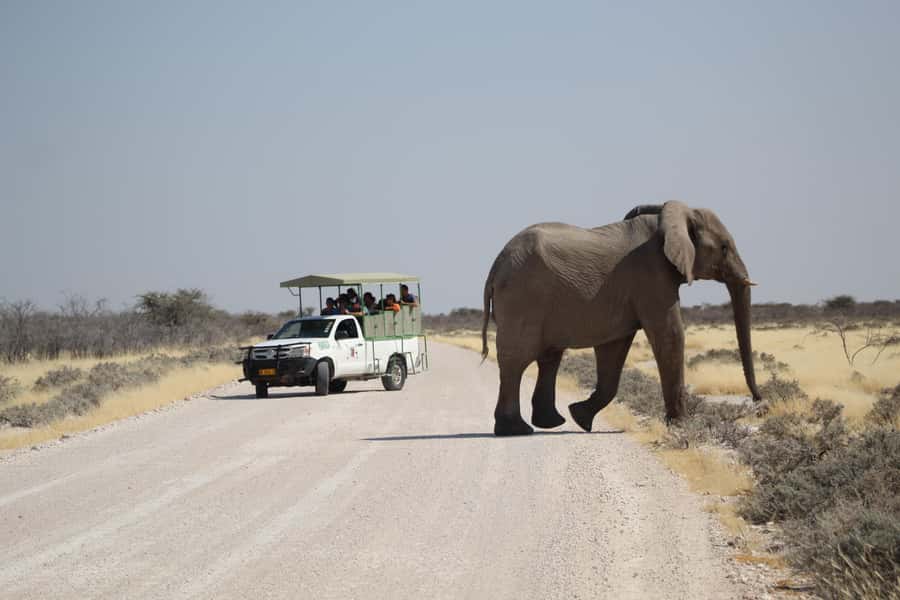
Etosha National Park has a reputation for big wildlife moments, but the real magic is how predictably animals return to water. This tour leans hard into that logic. You’re not just driving around and hoping. You’re going out with a guide who looks for where animals are likely to be, and you’re positioned to see them from a safari vehicle.
I also like the structure of the day. You start with pickup from your accommodation area, then roll into the park in a 4 x 4, with built-in time to slow down and actually watch. Then you get a lunch break at a lodge, and later you shift again toward where animals often gather near water once the afternoon heats up.
Pickup, Gates, and Getting Started Without Headaches
Your day begins with pickup from your accommodation in Okaukuejo or Ombika, then you’ll be taken by 4 x 4 to explore Etosha. Pickup is arranged so you wait outside the entrance gates, not inside some hidden office. That matters because timing is tight on safari days, and you want to avoid last-minute confusion.
You’ll also see that this tour offers multiple pickup and drop-off options tied to areas like:
- Anderson Gate Etosha National Park (Southern Entrance)
- King Nehale Gate / Etosha King Nehale
- Namutoni Gate
- C38
- Gondwana Collection Namibia
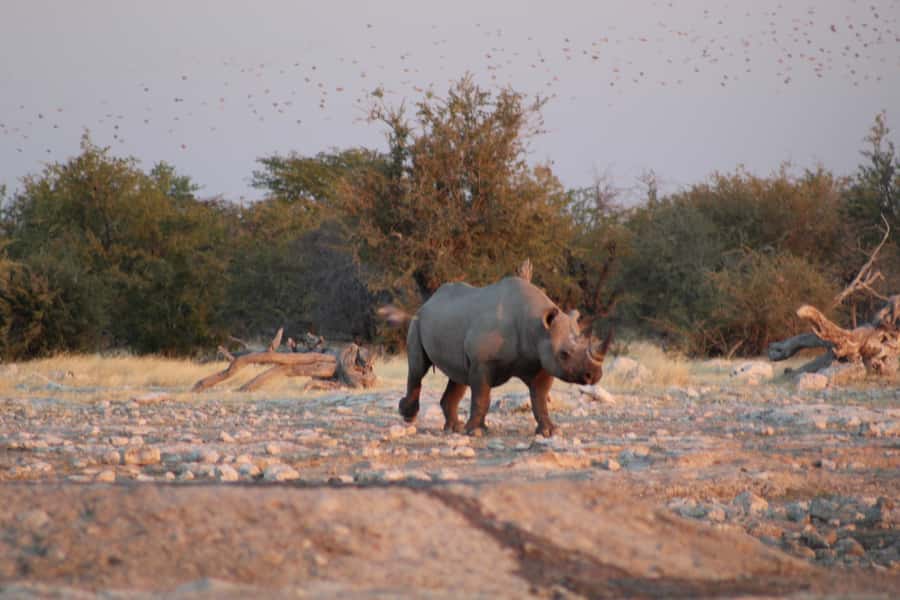
Why you should care: choosing a side of the park can change what you’re more likely to encounter. One guide-based example from the field: rhino are often associated with the Anderson Gate side, while other areas can produce excellent cat and elephant sightings depending on where animals are moving.
English-speaking guides run the show. Names you may hear include Oscar, and Alfred has also been credited as an excellent driver and guide. That’s a good sign for two reasons: first, you get clear explanations while you’re spotting; second, you can understand where you’re going and why.
The Open-Vehicle Drive: Photos, Comfort, and Real Sightlines
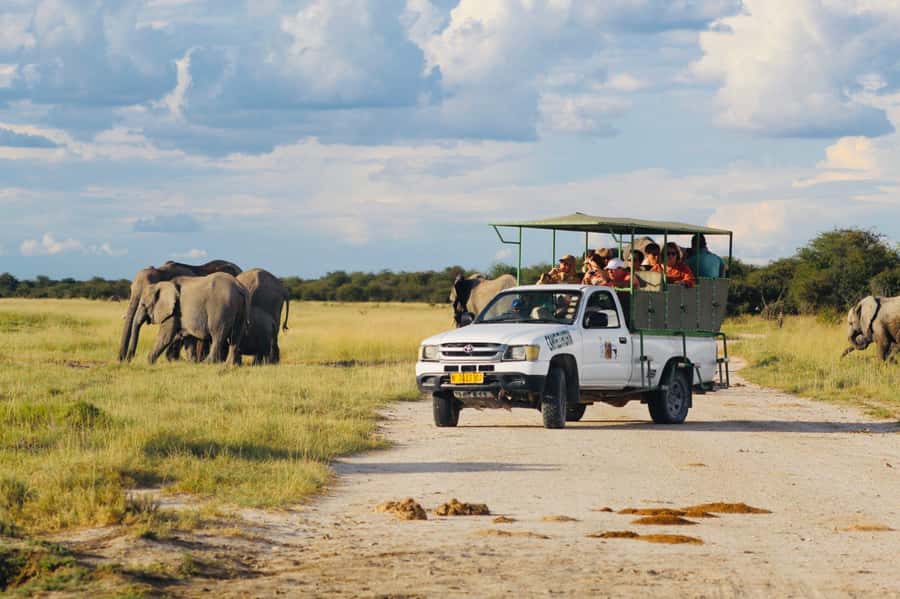
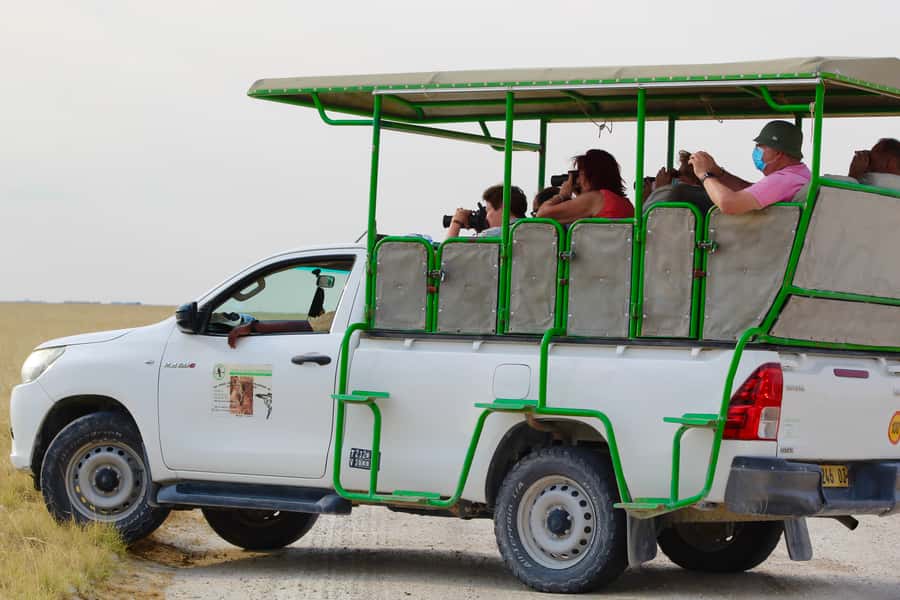
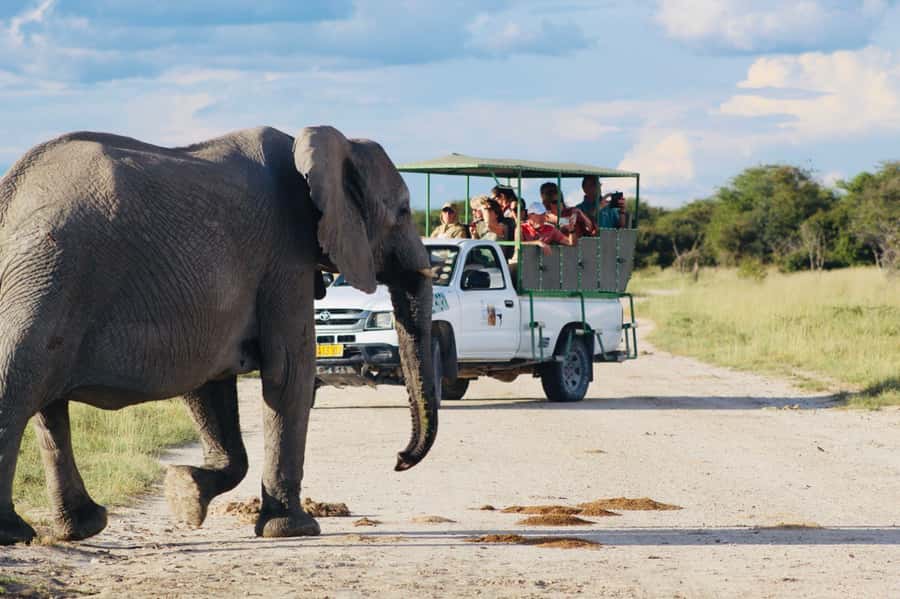
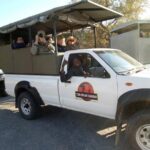
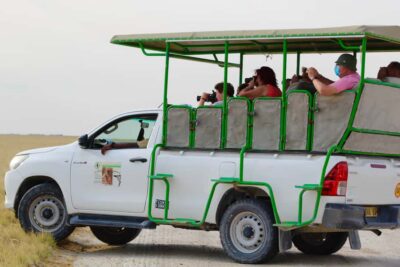
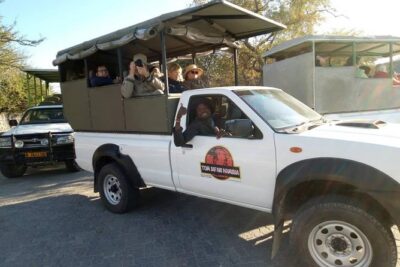
This is an open vehicle safari drive, which is exactly what you want in Etosha. You’ll get a better view of the plains and the animals at a range where they feel present, not distant. It also helps with photography, because you’re not always shooting through glass or fighting reflections.
Practical tip: bring binoculars and keep your phone charged. The tour includes water, but it does not include food. If you’re using your phone for camera work, navigation, or guide info, plan the battery like it matters, because it does.
Comfort matters too. Wear closed-toe shoes, and bring biodegradable sunscreen plus biodegradable insect repellent. Etosha days can be sunny and dry, and bug pressure can show up at inconvenient times. Closed shoes also help when you’re shifting positions to watch an animal crossing.
Wildlife Viewing Strategy: Why Waterholes Win in Etosha
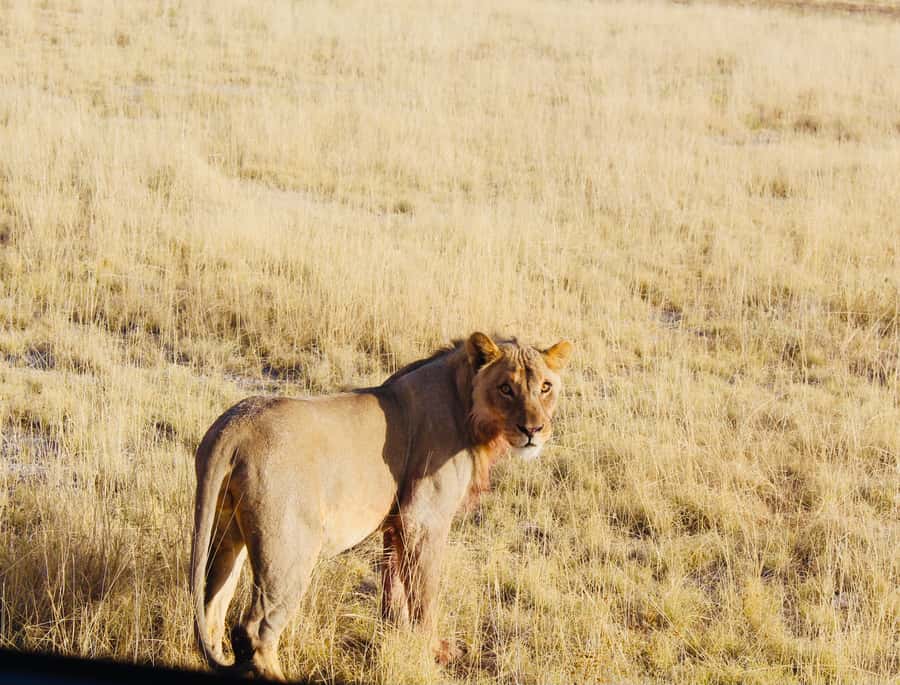
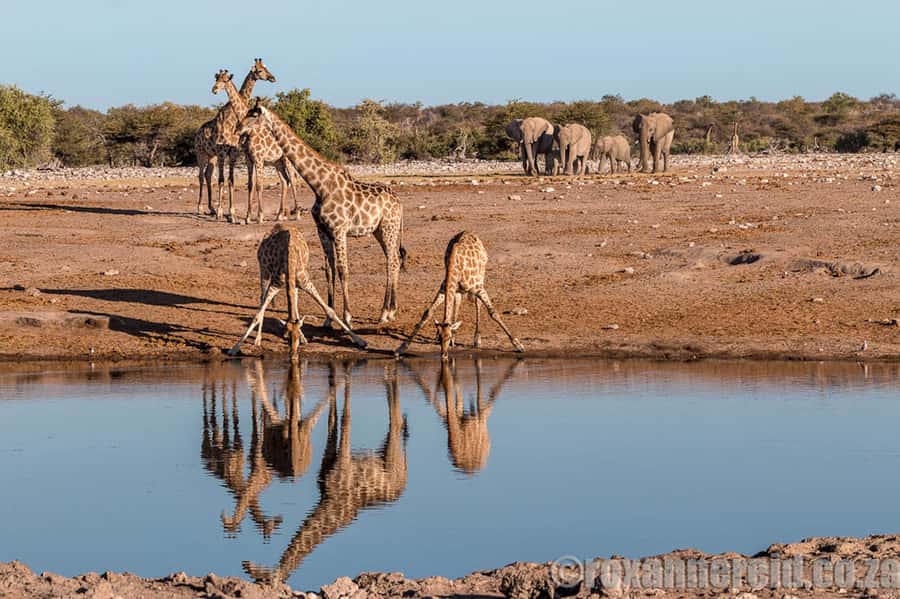
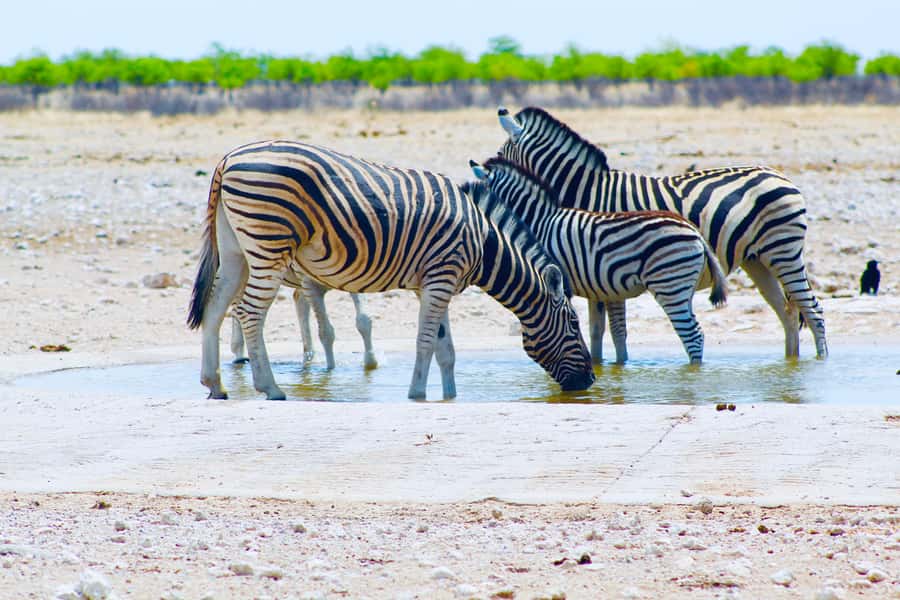
Your guide will take you close to watering holes and other strong places for animal encounters. That’s not just a cute safari detail. It’s the core of how you get results in Etosha.
Here’s what you can expect in practical terms:
- You’ll spend time in zones where animals naturally come to drink
- You’ll adjust your viewing based on where sightings cluster
- Your best chances often build later when the heat eases and animals cool off near water
That also affects how you should behave. Don’t rush. When your guide stops and tells you something is happening, it’s usually because the action is either starting or about to start. Take a few minutes. Watch, scan, then take photos once you’re sure where the animals are moving.
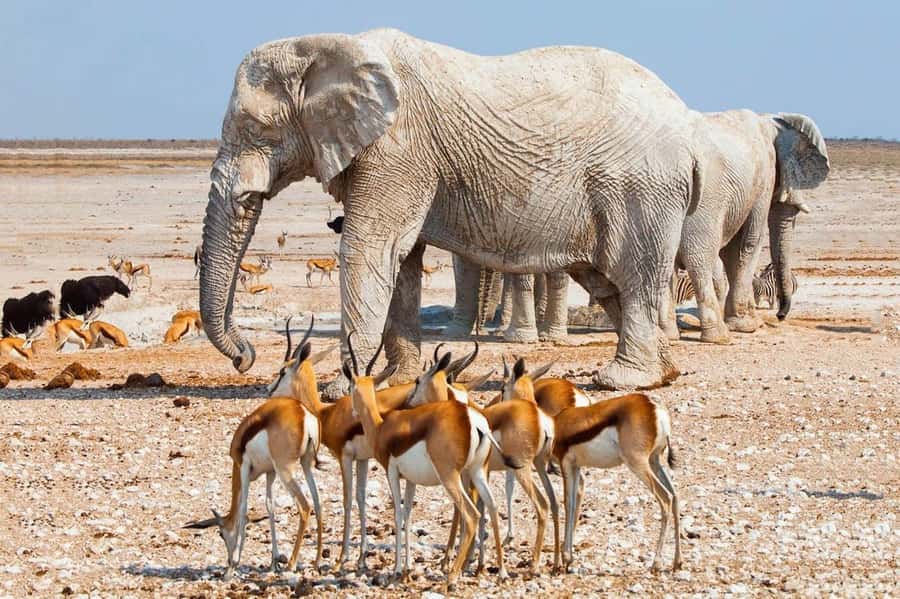
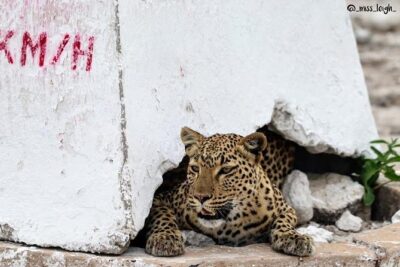
And yes, this tour explicitly targets the park’s famed headline species, including lions, rhinos, leopards, and elephants. You won’t get a guarantee on any wild animal, but this style of guiding improves your odds by focusing effort where animals predictably show up.
Lunch Stop at a Lodge: A Needed Break, With Extra Cost
The schedule includes a break of about 1 hour, with a lunch stop at one of the lodges. This break is useful because you are out for a long day, and the sun can be strong.
Important: lunch is not included in the activity price. So you’ll need to budget for food separately. If you’re the type who forgets to plan for meals, this is the part that can surprise you.
My advice is to treat lunch as part of the safari plan, not an afterthought. Eat, recharge, and then get back into the vehicle ready to watch. Animals may move closer to water after the break, and the afternoon can bring some of your best viewing.
Afternoon Toward Sunset: When Animals Feel Closer
After lunch, the tour shifts toward the time of day when animals often gather nearer to waterholes as they cool down from the afternoon heat. This is a key reason to choose a full day if you can.
The overall rhythm looks like:
- Midday break
- More waiting and scanning as the temperature changes
- Then stronger viewing as animals reposition toward water
- Sunset viewing, when animals often show up for one more round of activity before the day quiets down
Sunset is not just for atmosphere. The light is usually better for spotting movement and for photos. Your guide will take you to some of the best game viewing before returning to your accommodation.
Timing and Duration: What 10 Hours Feels Like
The tour is listed as a 10-hour experience, though you may see full or half-day options depending on what you choose. For a day like this, timing is everything. You start with pickup, drive into the park, and work your way through the best viewing windows.
If you’re doing a half-day, you’re likely compressing the experience and focusing on a shorter window of wildlife activity. If you’re doing the full day, you’re essentially buying yourself more chances at different animal behavior patterns across morning, midday, and late afternoon.
Either way, expect a long day outdoors. Bring layers if you’re sensitive to temperature shifts, and keep your water bottle habits in mind. Water is included, but you should still drink regularly.
Price and Value: Is $171 Fair for an Etosha Day?
At $171 per person, you’re paying for more than vehicle time. You’re getting:
- Hotel pickup and drop-off
- A full or half-day game drive
- An open vehicle safari format
- Water during the outing
What’s not included is equally important for value math: park entrance fees and food. So your real total depends on how you handle those add-ons.
For many people, the price feels fair because Etosha is not a park where you can casually wing it. This tour gives you access to areas through an organized day plan, plus guiding that helps you spend time where animals are likely to be, not just where roads happen to go.
If you’re the kind of traveler who loves wildlife but hates logistics, this is the smoother way to do Etosha. You also get the benefit of a guide’s local knowledge and explanations in English, including the names Oscar and Alfred showing up as strong references from past participants.
Who This Safari Is Best For
This outing fits you if:
- You want Big 4 style targets and you’re okay with the reality of wildlife timing
- You want a guide to help you read the landscape and animal behavior
- You’re staying around Okaukuejo or Ombika and want an easy pickup process
- You want either a full day to maximize viewing or a half day if you have other Namibia priorities
It might not be your ideal match if:
- You’re traveling with a group that considers itself a party group, since that’s not allowed
- You need food included in the price, because lunch is extra
- You dislike being in an outdoor vehicle for long stretches while the park does what it does
What to Bring (So You Don’t Have to Improvise)
From the provided gear list, here’s what matters most for comfort and spotting:
- Camera, plus a charged smartphone if you use it for photos or notes
- Binoculars for scanning distance
- Closed-toe shoes for vehicle stops and walking breaks
- Biodegradable sunscreen and biodegradable insect repellent
- Cash for meals and any additional park-related spending you might need on the ground
My extra practical note: use your phone for quick check-ins, but don’t rely on it as your only tool. Wildlife spotting is faster with binoculars and good habits.
My Verdict: Should You Book This Etosha Game Drive?
Book this tour if you want a focused, guide-led Etosha experience built around open-vehicle viewing and waterhole-centered wildlife spotting. The combination of pickup convenience, a structured day, and English-speaking guiding is exactly how you turn a long park into real sightings.
Skip it, or at least budget carefully, if you’re expecting lunch and park entrance fees to be included in the price. Once you plan for those extras, the $171 cost makes sense for what you get: less friction, more time watching, and a route designed to help you catch Namibia’s iconic animals when they come to water.
If you’re choosing between sides of the park, think about your top priorities. For example, rhino are often linked with the Anderson Gate side, so you can use that as a guide for where to start your Etosha day.
FAQ
What animal types does the tour focus on?
The tour is designed for game viewing of lions, rhinos, leopards, and elephants.
How long is the Etosha game drive?
The experience is listed as 10 hours, depending on whether you choose a full-day or half-day option.
Is pickup and drop-off included?
Yes. Hotel pickup and drop-off are included, with pickup arranged from your accommodation area around Okaukuejo or Ombika and waiting outside the entrance gates.
Is lunch included in the price?
No. There is a lunch stop with a break, but lunch is not included in the activity price.
Are entrance fees to Etosha included?
No. Park entrance fees are not included.
What’s included besides the game drive?
You get the game drive (full or half-day depending on option chosen), hotel pickup and drop-off, and water.
What should I bring for the day?
Bring a camera, binoculars, closed-toe shoes, biodegradable sunscreen, biodegradable insect repellent, cash, and a charged smartphone.
Inside the Parks, More Days Out
More Namibia Reviews
- ETOSHA PARK SAFARI with local guides in 9-seater 4x4s★ 5.0 · 87 reviews
- Safari in Etosha national park with professional tour guides born in Etosha.★ 5.0 · 32 reviews
- From Windhoek: 3-Day Etosha with Lodge Accommodation★ 5.0 · 5 reviews
- 6 DAYS ETOSHA,SWAKOPMUND & SOSSUSVLEI- NAMIBIA (Lodging)★ 4.5 · 4 reviews
Etosha Waterholes, Other Trips We Rate
- ETOSHA PARK SAFARI with local guides in 9-seater 4x4s★ 5.0 · 87 reviews
- Safari in Etosha national park with professional tour guides born in Etosha.★ 5.0 · 32 reviews
- From Windhoek: 3-Day Etosha with Lodge Accommodation★ 5.0 · 5 reviews
- 6 DAYS ETOSHA,SWAKOPMUND & SOSSUSVLEI- NAMIBIA (Lodging)★ 4.5 · 4 reviews
Other Namibia trips from our own write-ups
Etosha Park Game Viewing, all of them.
 ★ 4.6Etosha National Park: Full or Half-Day Game DriveFrom $123175 reviews
 ★ 5.0ETOSHA PARK SAFARI with local guides in 9-seater 4x4sFrom $12787 reviews
 ★ 5.03 Day Etosha Budget Camping SafariFrom $63437 reviews
 ★ 5.06 Day Sand, Sea & Etosha Budget Camping SafariFrom $1,35536 reviews
 ★ 5.0Safari in Etosha national park with professional tour guides born in Etosha.From $12732 reviews
 ★ 5.09 Day Etosha, Skeleton Coast and Sossusvlei Camping and Lodge SafariFrom $2,56821 reviews
 ★ 4.54-Day Etosha And Swakopmund Accommodated Adventure from WindhoekFrom $1,29819 reviews
 ★ 5.0Etosha Express Safari 3 Days / 2 NightsFrom $1,04511 reviews
This tour also turns up in