
REVIEW · PELICAN POINT SEAL ENCOUNTERS
Pelican Point Peninsula Tour
Seals, salt, and flamingos in one smart circuit. This Pelican Point Peninsula Tour mixes birds, history, and a serious Cape fur seal colony, with a Walvis Bay lagoon stop and a 4×4 run out onto the peninsula.
I especially like the bird-and-coast combo, and the way the day keeps moving from lagoon to salt refining to the Atlantic side. The one thing to keep in mind is that Swakopmund hotel pickup is not included, so you either arrange your own transfer to the waterfront or budget N$100 per person.
In This Review
- Pelican Point Peninsula Tour, the highlights that really matter
- Where Pelican Point fits in your Walvis Bay plans
- Price and what you actually get for $130
- Starting at the Walvis Bay waterfront: short briefing, big day
- Walvis Bay Lagoon: flamingos, pelicans, and the best photo stops
- Salt refining at the solar plant: seeing industry in a new light
- The off-road 4×4 drive in deep loose sand
- Reaching the peninsula tip: seals on one side, Atlantic on the other
- What to bring, and why it matters on this route
- The guide style that makes a short tour feel smooth
- Who should book this Pelican Point Peninsula Tour
- Should you book the Pelican Point Peninsula Tour?
Pelican Point Peninsula Tour, the highlights that really matter
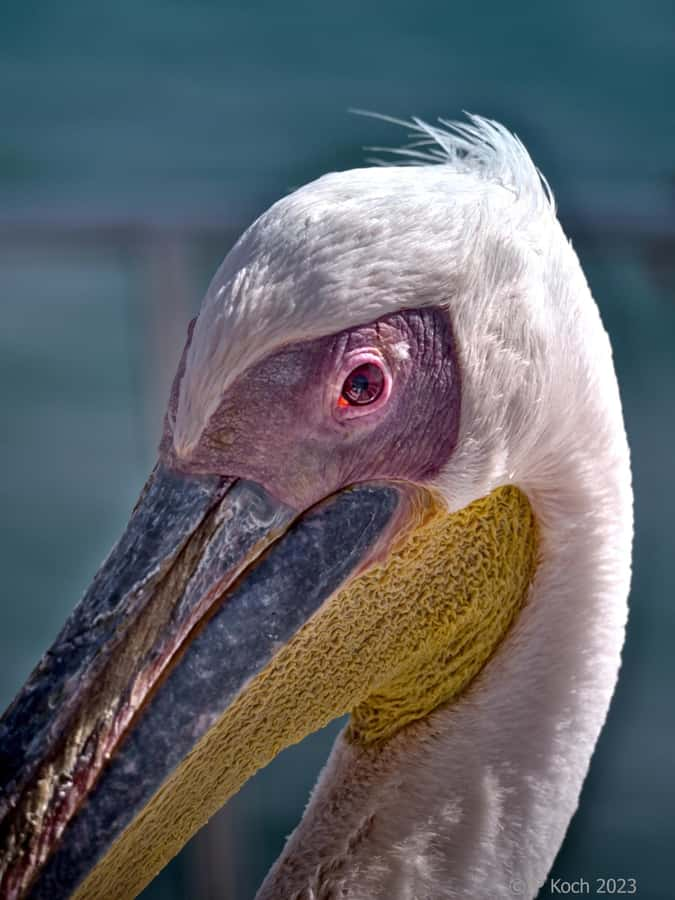
- Walvis Bay lagoon birdlife: hundreds of flamingos, pelicans, and avocets, plus photo stops.
- Africa’s biggest solar salt operation: you’ll learn about salt refining and how the process works.
- Deep loose sand 4×4 driving: it is off-road, so expect a bumpy ride and bring proper shoes.
- Shipwreck and old jetty remains: quick stops for atmosphere and great views.
- Approaching the lighthouse with context: your guide shares historical info as you near the landmark.
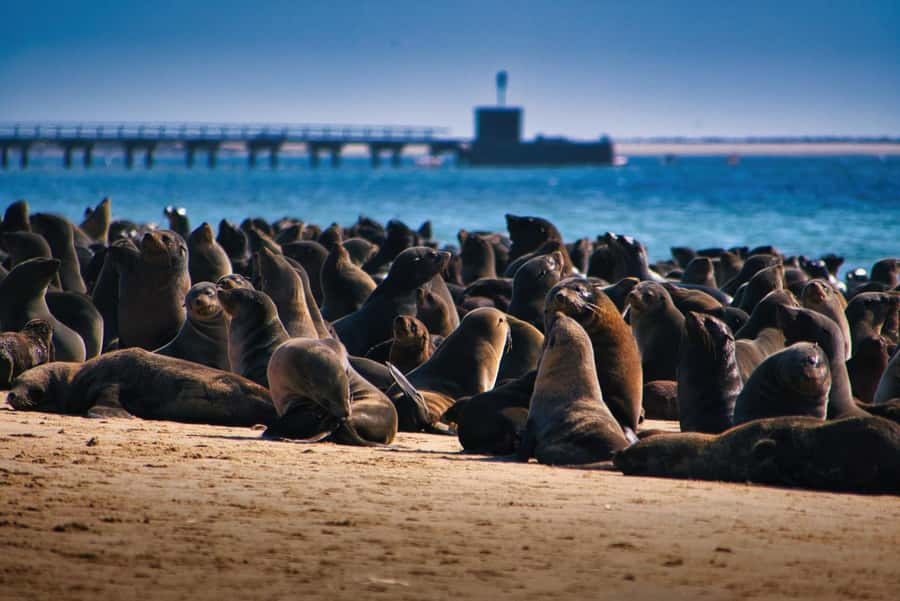
- Cape fur seals in huge numbers: up to 100,000 seals at the peninsula tip, with time to watch them.
More time out at Pelican Point with the seals
Where Pelican Point fits in your Walvis Bay plans
This is a 3-hour tour in the Walvis Bay area, starting at the Walvis Bay waterfront. That timing is the sweet spot for travelers who want a memorable wildlife and scenery hit without losing half a day. You get a packed route that still leaves room to stop, take photos, and pause at the peninsula tip.
I like that it is structured like a string of short, focused moments. You start with the lagoon birds, move to human-made industry at the salt refinery, then switch to wild energy on the off-road drive. By the time you reach the tip, you are ready for the main show: seals and birds with the Atlantic on one side and the lagoon on the other.
One practical note: the tour is based on getting you to key points, not on long hikes. So if you prefer to keep your walking light, this works well. If you love deep, slow, foot-first exploring, you might find the pace a bit quick, since the total time is only three hours.
Price and what you actually get for $130
At $130 per person, the big question is value. Here, you are not only paying for transportation, you’re paying for access and interpretation. The tour includes permits and refreshments, which is often what turns a “see it from the road” stop into a true guided outing.
The itinerary packs in several different experiences that usually cost extra when done separately. You get the lagoon bird stop, the solar salt refinery visit, an off-road 4×4 drive in deep loose sand, and time at the peninsula tip to watch seals. You also get stops for a shipwreck and the old jetty remains, plus guide context near the lighthouse.
Not included is the Swakopmund hotel pick-up and drop-off. If you are staying in Swakopmund, that can matter, because it changes the real total cost and your logistics. If you’re already in or near Walvis Bay, you’ll likely find this tour feels like a straightforward deal.
Starting at the Walvis Bay waterfront: short briefing, big day

You begin at the Walvis Bay waterfront, where you receive a quick briefing before heading out. For a short tour, that early orientation matters. It helps you know what to look for, where to stand for photos, and what to expect during the drive.
This start point also makes the tour easy to pair with other Walvis Bay plans. You avoid long shuttles from multiple locations since the meeting spot is already in town. From there, the route is built to take advantage of the peninsula’s best angles and the lagoon’s bird activity.
The tour includes refreshments, and you’ll get another break later at the tip. So even if your morning or afternoon schedule is a bit tight, the tour is designed so you’re not running on an empty tank.
- Walvis Bay: Marine Big 5 Luxury Catamaran Tour
★ 4.8 · 1,012 reviews - Swakopmund: Desert Dunes Quad Biking with Optional Sandboard
★ 4.9 · 590 reviews - Walvis Bay and Sandwich Harbour Tour
★ 4.8 · 483 reviews - Scenic Sandwich Harbour Tour
★ 5.0 · 277 reviews - Sandwich Harbour Adventure: Seals and Sandwich harbour dune drive
★ 5.0 · 165 reviews
Walvis Bay Lagoon: flamingos, pelicans, and the best photo stops
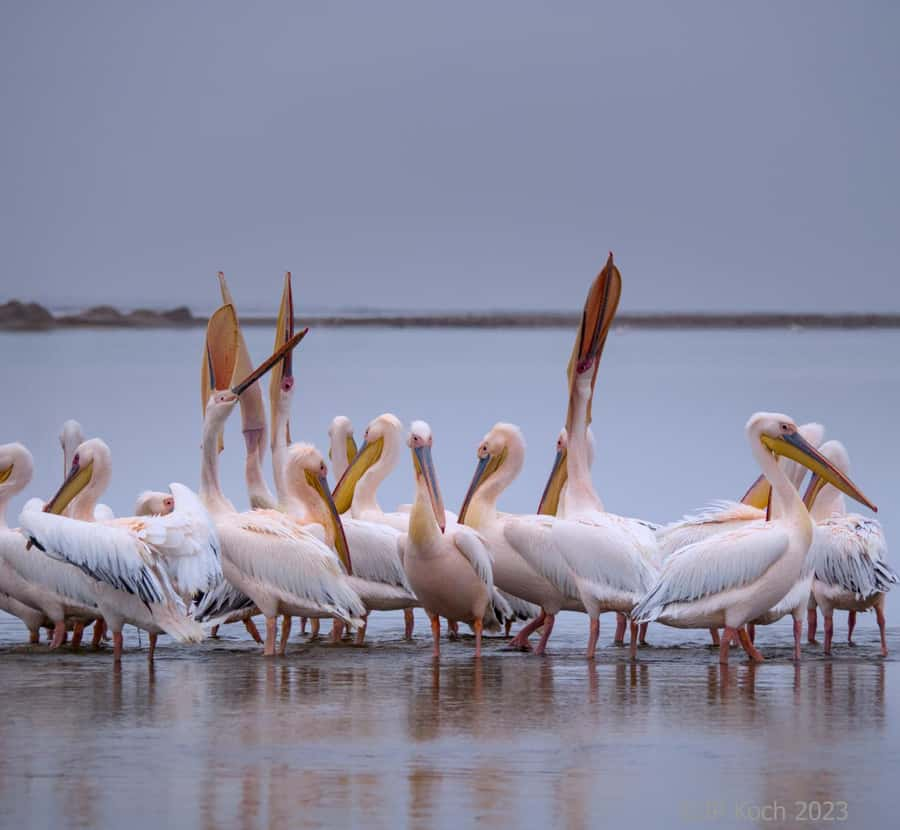
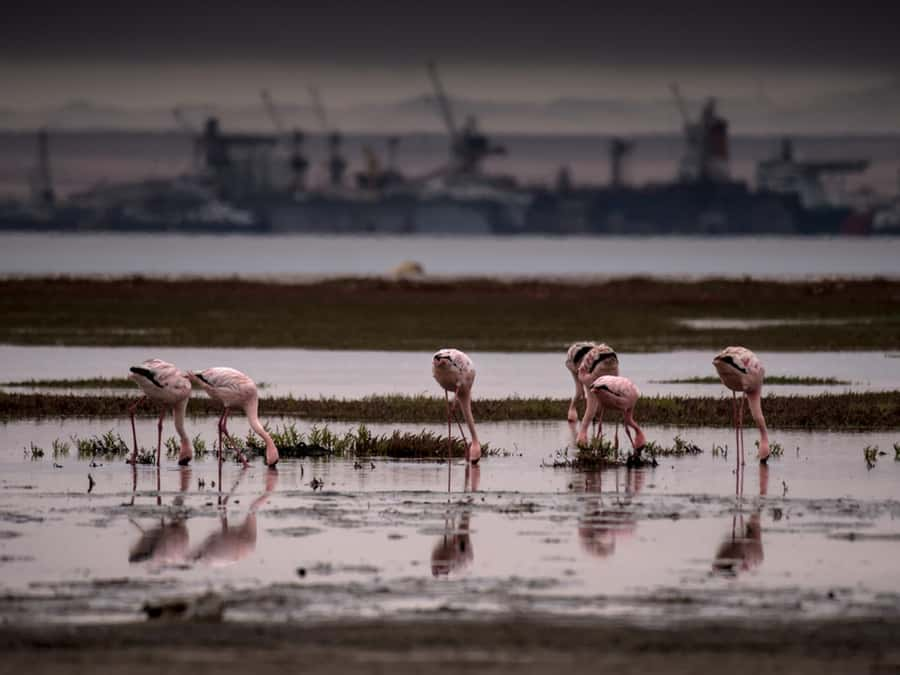
The first real attraction is the Walvis Bay lagoon, and it’s one of southern Africa’s most important lagoons. Here you’ll see hundreds of flamingos, along with pelicans and avocets. The payoff is visual and immediate. Even from standard viewing points, you can expect a lot of bird movement and bright color, especially with the lagoon background.
What I like about this stop for your day is the variety. Flamingos tend to be the headline, but pelicans and avocets add range to your photos and help the lagoon feel alive rather than repetitive. You’ll also have time for photos and for learning more about the site.
Because this part happens early, it works well if the light is good when you arrive. And since the lagoon is the first stop, it gives you a gentle on-ramp to the nature theme before the off-road drive gets intense.
A small consideration: bird viewing can be affected by wind and distance. Bring sunglasses and a camera you can use quickly, because the birds can change their positions fast.
Salt refining at the solar plant: seeing industry in a new light
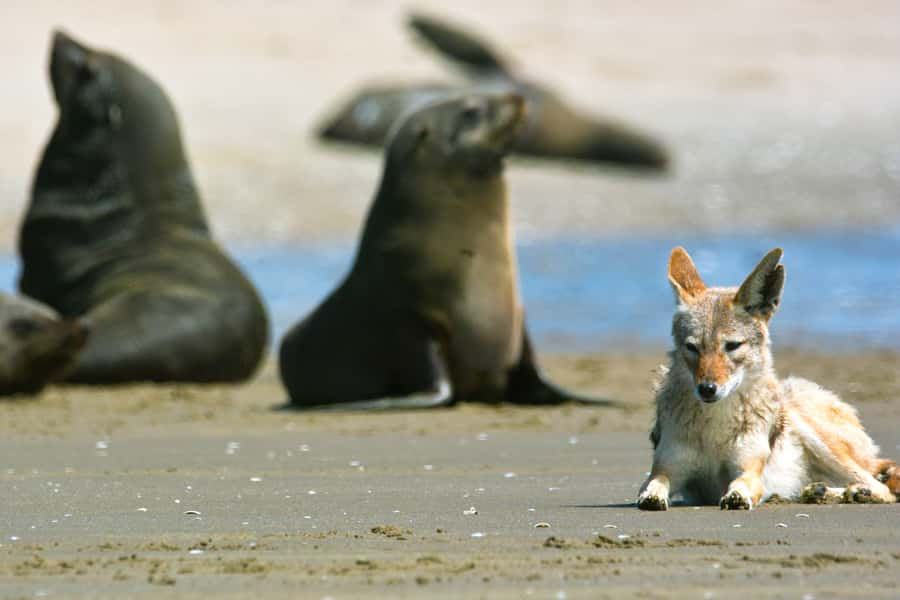
Next up is the Walvis Bay salt refinery, described as the largest solar production plant in Africa. This is not a casual look at equipment. You’ll hear about the production processes before heading out.
Why this stop is worth your time: it gives context for what you’re seeing around Walvis Bay. You’re not just watching wildlife and coastline. You’re also learning how humans use this environment to produce salt, using the power of the sun and the logic of evaporation.
It also adds a contrast to the day. The lagoon is natural, then you shift to a large-scale industrial operation, then you return to the wild side with the 4×4 drive and the seals. That contrast makes the tour feel richer, even though everything is still done in a tight window.
Wear the same basics here too. The route later includes deep loose sand, so comfortable shoes now pay off later. The salt plant stop is a learning moment, but you still want to be ready for the transition outdoors.
The off-road 4×4 drive in deep loose sand
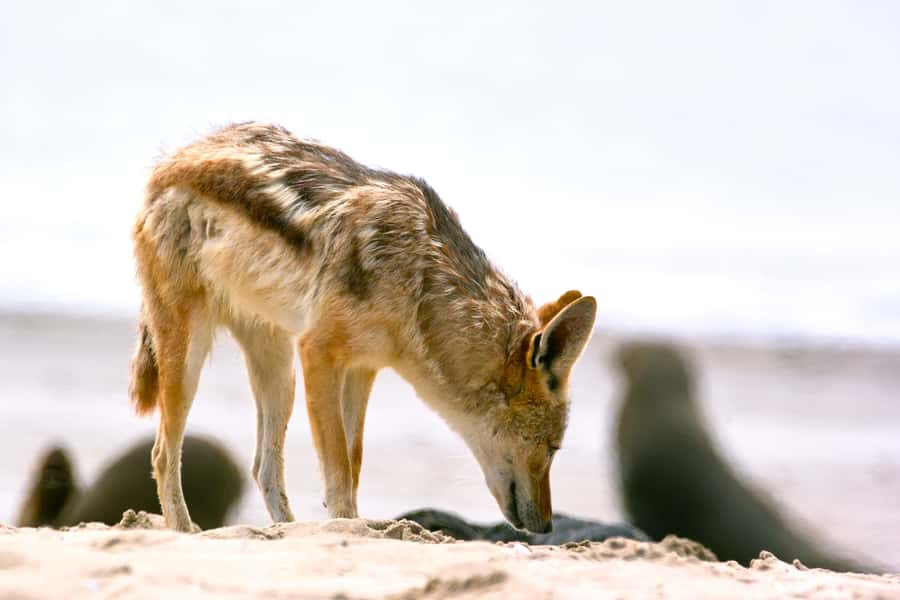
After the refinery, you go out on an off-road, 4×4 drive in deep, loose sand. This is one of the defining parts of the Pelican Point Peninsula Tour. It’s not a smooth scenic drive, so go with the expectation of bumpiness and slow progress.
This is also where your preparation pays dividends. Comfortable shoes matter because you’ll move around for viewing and photos at stops. If you’re the type who hates sand in your shoes, pack a little extra comfort for yourself and plan to walk carefully.
During the drive, you’ll stop to see a shipwreck and the remains of an old jetty. These stops are brief but meaningful. They add the human story of the coast, showing how important (and challenging) this area has been for travel and trade over time.
Then you approach the lighthouse, and your guide provides historical information about the landmark. That history turn is smart. It takes the lighthouse from a “just a building on a point” into something you understand in context, which makes photos more interesting too.
Reaching the peninsula tip: seals on one side, Atlantic on the other
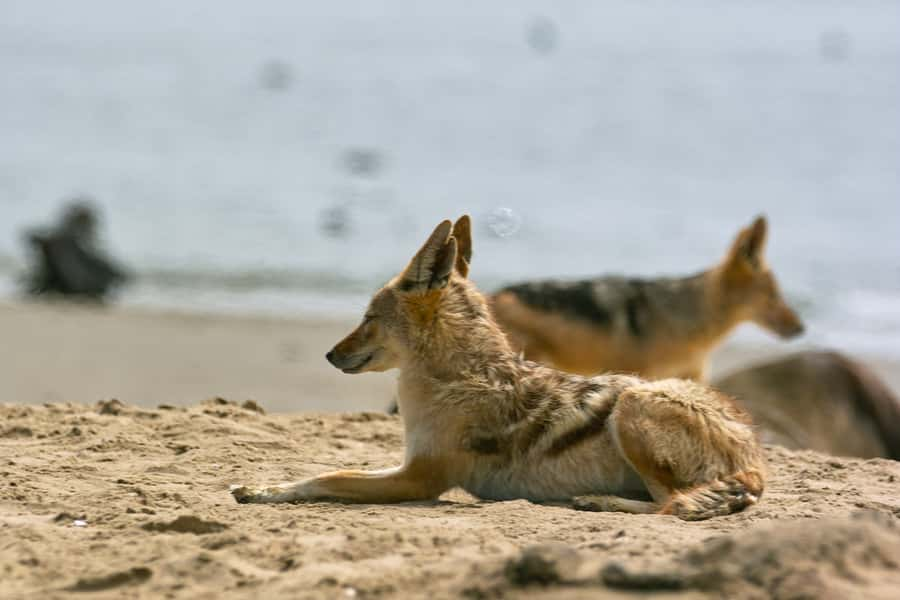
By the time you reach the very tip of the peninsula, you’ll be standing in a dramatic setting. The Walvis Bay lagoon is on one side, and the Atlantic Ocean is on the other.
Now comes the main event: the colony of Cape fur seals, mentioned as 100,000. You’ll take a break for refreshments and get some free time to watch the seals and birds. This is the moment where the tour turns from drive-and-learn into pure watching.
I like that you get a pause here. A lot of short wildlife tours spend all their time in transit, leaving you little chance to actually focus. Having free time at the tip lets you linger, scan, and adjust your position to get better viewing.
Also, the birdlife doesn’t disappear once you reach the seals. With birds on the scene too, it becomes a shared ecosystem moment rather than a single-species event.
One consideration: animal viewing can be unpredictable. The seals may cluster in different spots, and bird activity can shift with conditions. Keep your camera ready, but be flexible about where the best view is at that exact time.
What to bring, and why it matters on this route
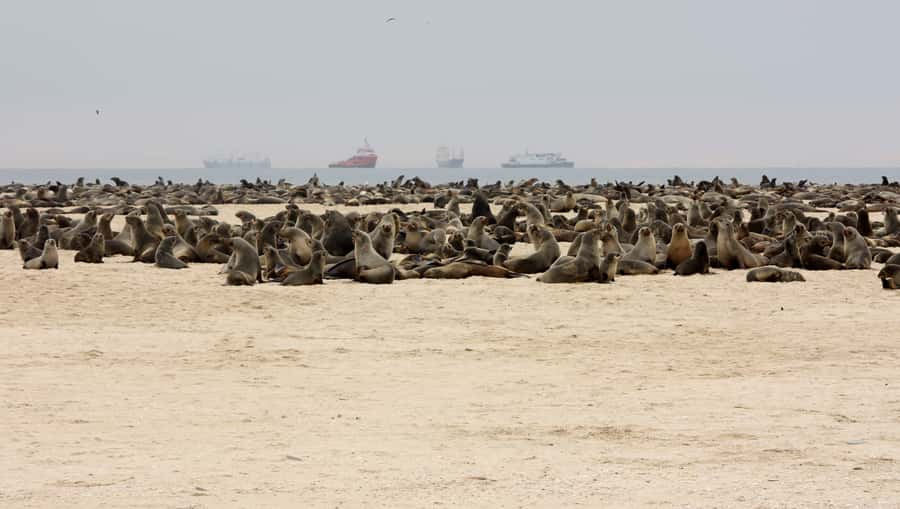
This tour is only 3 hours, but it still hits multiple environments. You’ll be moving outdoors, doing photo stops, and riding in deep, loose sand. So bring the basics and you’ll enjoy it more.
Here’s the practical packing list that fits this exact day:
- Comfortable shoes for sand and walk-around stops
- Sunglasses for glare off the water and bright salt-air conditions
- Sun hat because the sun can be strong
- Camera for lagoon birds, the refinery learning moment, and the peninsula tip
If you’re used to “one outfit for everything” day trips, this is one where you’ll be happier planning for wind and sun. Layers can also help, since coastal weather can change quickly.
The guide style that makes a short tour feel smooth
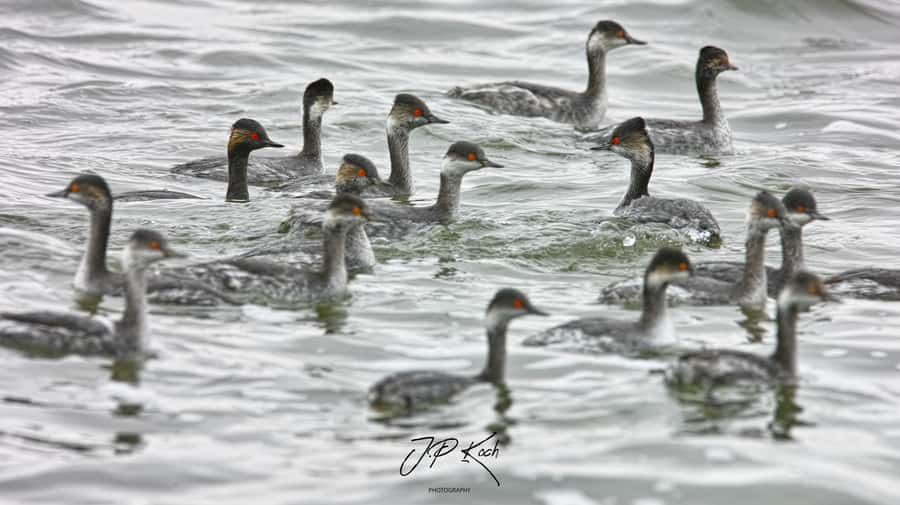
One standout in the feedback for this tour is the guide approach. The way it is described, the guide is open and accessible, and they respond well to questions and requests. That matters more than people think, especially on a compact tour where you might only have a few minutes at each stop.
If you have questions about birds at the lagoon, the solar salt process, or what you are looking at near the lighthouse, a responsive guide can turn a quick sighting into real understanding. You also get the benefit of on-the-spot help, like where to stand for better views.
Language options are English and Afrikaans, so you should be able to follow along comfortably.
Who should book this Pelican Point Peninsula Tour
This tour is a strong fit if you want a high-impact introduction to the Pelican Point peninsula and Walvis Bay area. It works especially well if you have limited time and you like a blend of wildlife, coastal scenery, and learning.
It’s also a good choice if you prefer transport plus viewpoints over long walking. Since the core action includes lagoon viewing, refinery learning, off-road stops, and a tip break, the pacing is designed for “see and enjoy” rather than “train and hike.”
You might look elsewhere if you want a long, slow nature day, or if you have zero interest in salt production history and just want wildlife. But if you’re the type who likes variety, this one delivers.
Should you book the Pelican Point Peninsula Tour?
If you want a compact tour that gives you lagoon birds, a solar salt refining explanation, a real 4×4 sand experience, and a chance to watch a massive Cape fur seal colony, this is an easy yes. The price is fair when you factor in permits and refreshments, plus the guided stops and access you would otherwise struggle to recreate on your own.
Book it if your schedule can handle a 3-hour block starting from the Walvis Bay waterfront, and if you’re comfortable with an off-road ride. If you’re staying in Swakopmund, do the simple math on the N$100 per person transfer cost so the full day plan stays smooth.
More Trips Across Namibia
- Walvis Bay: Marine Big 5 Luxury Catamaran Tour★ 4.8 · 1,012 reviews
- Walvis Bay and Sandwich Harbour Tour★ 4.8 · 483 reviews
- Scenic Sandwich Harbour Tour★ 5.0 · 277 reviews
- Scenic Desert Tour by Bike★ 5.0 · 165 reviews
- Living Desert Eco Dune Tour★ 5.0 · 113 reviews
More Namibia Reviews
- Walvis Bay: Marine Big 5 Luxury Catamaran Tour★ 4.8 · 1,012 reviews
- Swakopmund: Desert Dunes Quad Biking with Optional Sandboard★ 4.9 · 590 reviews
- Walvis Bay and Sandwich Harbour Tour★ 4.8 · 483 reviews
- Scenic Sandwich Harbour Tour★ 5.0 · 277 reviews
- Sandwich Harbour Adventure: Seals and Sandwich harbour dune drive★ 5.0 · 165 reviews
Still Want Seals? Pelican Point Options
- Sandwich Harbour Adventure: Seals and Sandwich harbour dune drive★ 5.0 · 165 reviews
- Skeleton Coast Cape Cross Seal colony Tour★ 4.0 · 11 reviews
Other Namibia trips from our own write-ups


Pelican Point Seal Encounters, all of them.
 ★ 5.0Pelican Point Kayaking Half-Day TourFrom $79349 reviews
 ★ 4.7Pelican Point Kayaking TourFrom $76171 reviews
 ★ 5.0Sandwich Harbour Adventure: Seals and Sandwich harbour dune driveFrom $195165 reviews
 ★ 5.0Half Day Original Seal Kayak Adventure, Pelican Point, Walvis BayFrom $7256 reviews
 ★ 5.0Mola Mola Marine Dolphin Cruise from the Walvis Bay Waterfront to Pelican PointFrom $9052 reviews
 ★ 5.0Sandwich Harbour & Pelican Point Full Day TourFrom $27727 reviews
 ★ 4.8Pelican Point Seal and Sandwich Harbour TourFrom $19315 reviews
 ★ 4.0Skeleton Coast Cape Cross Seal colony TourFrom $14011 reviews
This tour also turns up in